
As the cityscape of Singapore continues to evolve, the construction landscape is akin to a intricate puzzle, with each piece carefully crafted to ensure a seamless and safe building process.
With over 100,000 construction sites active at any given time, the importance of proper planning and permitting cannot be overstated.
The BCA PTU submission, a crucial step in this process, serves as a linchpin, holding together the various elements of temporary works, containers, and signages, to ensure compliance with the Building and Construction Authority’s regulations.
Like a master builder, contractors must carefully balance form and function, navigating a complex web of guidelines and standards to bring their vision to life, all while prioritizing the safety of workers, pedestrians, and the general public.
As the submission process can be daunting, understanding the requirements and nuances of the BCA PTU submission is essential for a successful and stress-free experience.
Temporary Buildings Defined Under BCA Regulations and Guidelines
Temporary buildings are structures that are erected for a limited period, often used for construction sites, events, or temporary storage, and are subject to specific regulations and guidelines under the Building and Construction Authority (BCA) in Singapore.
The BCA regulations aim to ensure the safety and stability of these temporary structures, which can range from simple canopies to complex modular buildings.
As the demand for temporary buildings continues to grow, understanding the regulations and guidelines is crucial for developers, contractors, and building owners.
The fate of a temporary building hangs in the balance, as it teeters on the edge of compliance and non-compliance with BCA regulations.
- Key factors determining the classification of a temporary building include its intended use, duration of occupation, and structural complexity.
- Safety considerations play a critical role in the design and construction of temporary buildings, with emphasis on fire safety, structural integrity, and emergency evacuation procedures.
- The BCA guidelines provide a framework for the design, construction, and maintenance of temporary buildings, ensuring they meet the required safety and quality standards.
Understanding Requirements for Professional Engineer Endorsement and Submission

The endorsement process typically involves providing detailed documentation of education, work experience, and certifications.
The application must be thorough and accurate, as any mistakes or omissions can delay the process.
The specific requirements may vary depending on the location and the governing body overseeing the endorsement process.
With careful preparation and attention to detail, the application can be successfully submitted, and the career can be taken to the next level.
Documents Needed for PTU Application via CORENET e-Submission System
To begin the PTU application process, it is essential to gather all required documents, including property details, building plans, and relevant certifications, and ensure they are in the correct format for upload to the CORENET system.
The CORENET e-Submission System is designed to streamline the application process, but it requires careful preparation and attention to detail to avoid errors or omissions that can lead to delays or rejections.
By carefully reviewing the requirements and ensuring all necessary documents are in order, applicants can navigate the system efficiently and successfully submit their PTU application.
Exemptions from PTU for Temporary Buildings and Structures in Singapore
In Singapore, temporary buildings and structures are exempt from Payment of Temporary Occupation (PTU) fees under specific circumstances.
The exemptions are outlined in the Singapore Land Authority’s (SLA) guidelines, which state that temporary buildings and structures used for religious, charitable, or community purposes are eligible for exemption.
Additionally, temporary buildings and structures used for filming, photography, or other creative activities may also be exempt from PTU fees, provided they meet certain criteria.
Design and Safety Considerations for Temporary Works and Signages
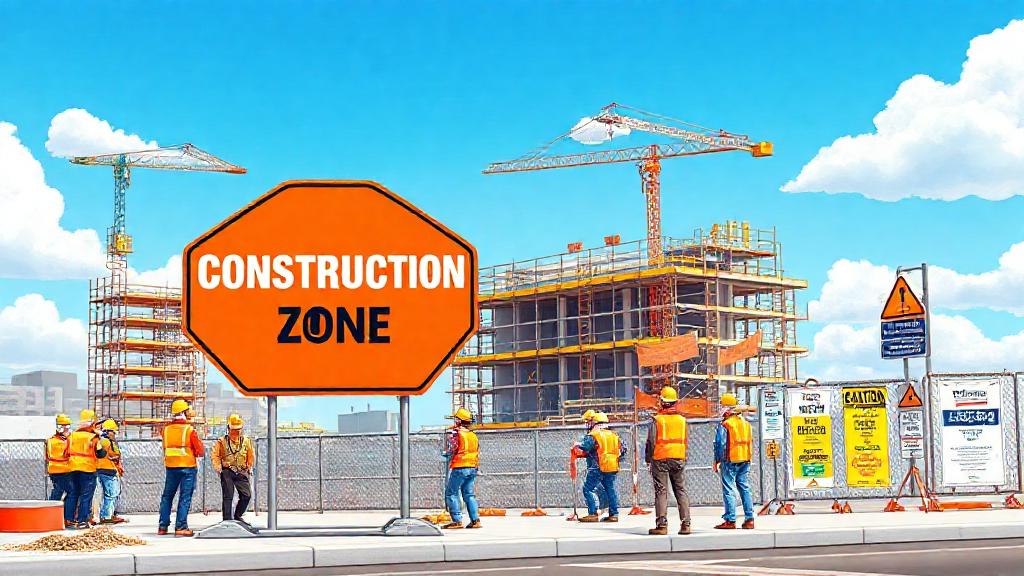
When it comes to temporary works and signages, design and safety considerations are crucial to ensure a smooth and incident-free experience for workers and the public.
Effective design and planning can help prevent accidents and minimize risks associated with temporary structures.
A well-designed temporary works system can also enhance the overall aesthetics of the construction site, which is essential for maintaining a positive public image.
Role of Professional Engineers in Ensuring Compliance and Supervision
Ensuring compliance is crucial in the engineering field.
- Conduct thorough risk assessments to identify potential hazards
- Develop and implement effective safety protocols
- Monitor and supervise construction sites to prevent accidents
- Collaborate with other professionals to ensure regulatory compliance
- Review and update safety procedures regularly
By following these steps, professional engineers can play a vital role in ensuring compliance and supervision, ultimately saving lives and preventing disasters.
Temporary Signage Regulations and Licensing Requirements in Singapore
To navigate the complex world of temporary signage in Singapore, regulations and licensing requirements are crucial.
Temporary signage requires a permit from the relevant authorities, which can be a lengthy process.
Signage regulations vary depending on location, outdoor advertising, and the type of sign, including size and material.
A permit is required for temporary signs in public areas or on private property, but the process can be lengthy and sometimes confusing.
Extension and Renewal of PTU and Signage Licenses with BCA Guidelines
Renewing PTU and signage licenses is not a tedious process, but rather a straightforward one when guided by BCA guidelines.
The key to a smooth renewal lies in understanding the requirements and timelines set by the authorities.
The BCA has implemented user-friendly procedures to facilitate the renewal of PTU and signage licenses, making it more accessible to applicants.
Fees and Payment Methods for PTU Applications through CORENET X System
The CORENET X system encompasses a range of fees and payment methods that applicants must be aware of to navigate the system efficiently.
These fees are typically associated with the submission and processing of applications and can vary depending on the type of application and the complexity of the project.
To ensure a smooth application process, it is essential for applicants to familiarize themselves with the available payment methods, which may include online payment gateways, such as credit card payments or electronic funds transfer, as well as traditional methods like cheques or bank drafts.
As the intricacies of BCA PTU submission for temporary works, containers, and signages in Singapore are considered, the process unfolds like an intricate puzzle, with each piece carefully crafted to ensure a seamless and compliant experience.
The submission guidelines navigate stakeholders through the complexities of regulatory requirements, ultimately leading to a successful installation that enhances the cityscape.
With the BCA’s emphasis on safety and aesthetics, the temporary works, containers, and signages that dot the Singaporean landscape become more than just functional elements – they are testaments to the city’s commitment to innovation and progress.