
Architecture approval step by step is the structured regulatory process of obtaining permits that confirm your building design complies with Singapore’s planning and construction codes before work begins. For developers and construction professionals operating under the Urban Redevelopment Authority (URA) and the Building and Construction Authority (BCA), mastering this process is not optional. Missed steps, incomplete documentation, or poor coordination with regulatory bodies cause costly delays and forced redesigns. This guide covers every critical phase from site feasibility through final permit issuance, with practical compliance strategies tailored to Singapore’s 2026 regulatory environment.
What are the key phases in the architecture approval process?
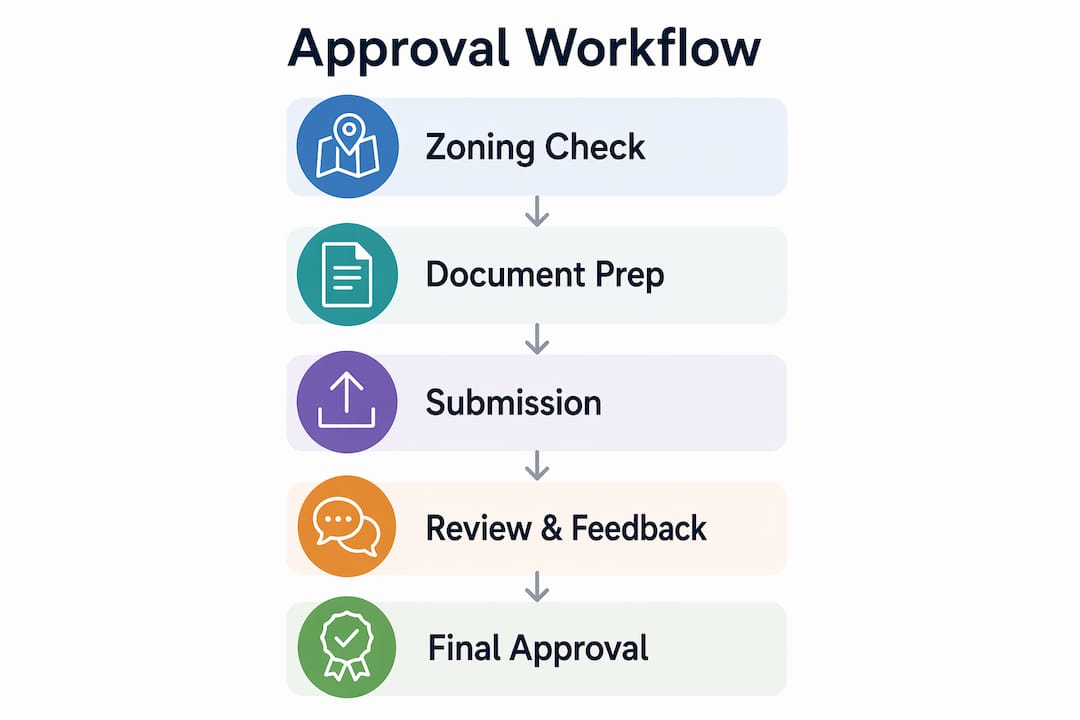
The building design approval process moves through five distinct phases. Each phase has defined outputs and gates that must be cleared before the next begins.
-
Site feasibility and zoning verification. The process starts with confirming that the proposed use, plot ratio, and building height comply with URA’s Master Plan. This phase typically takes 5–10 working days for a standard site check. Skipping this step is the most common cause of expensive concept redesigns later.
-
Concept and preliminary design alignment. The design team translates zoning constraints into a schematic design. At this stage, summarizing regulatory constraints early for the full project team prevents redesign cycles. Core constraints include height limits, floor space index, parking provisions, and fire safety setbacks.
-
Detailed design documentation and compliance checks. Architectural, structural, and mechanical and electrical (M&E) drawings are developed to full submission standard. A compliance verification matrix cross-references every drawing against current BCA and URA codes. Regulatory bodies update guidance frequently, and relying on outdated templates causes rejections at this stage.
-
Submission and regulatory review. The complete package is submitted to the relevant authorities, which in Singapore may include URA, BCA, SCDF, JTC, LTA, PUB, and NEA depending on project type. A standard municipal review involves six steps: application submittal, completeness check, multi-department review, comment period, resubmittal, and final approval. Building permit review for mid-size projects typically takes 20–45 working days.
-
Responding to queries and permit issuance. Approvals commonly involve 1–2 rounds of regulatory comments. Timely, complete responses to each query are critical. Delayed or partial responses restart the review clock and push permit issuance further out.
What documents and compliance checklists are needed for approval?
Document completeness is the single biggest predictor of first-pass approval success. Missing signatures from licensed professionals cause immediate rejection at the completeness check stage. The following documents form the core submission package for Singapore projects:
- Architectural drawings: Floor plans, elevations, sections, and site plans stamped and signed by a Qualified Person (QP) registered with BCA.
- Structural engineering plans: Foundation design, framing plans, and connection details endorsed by a Professional Engineer (PE). See Aectechnicalsg’s guidance on structural submission requirements for a full breakdown.
- M&E engineering drawings: Mechanical ventilation, electrical single-line diagrams, and plumbing layouts coordinated with architectural plans.
- Specialized reports: Energy efficiency assessments under the BCA Green Mark framework, fire safety reports for SCDF review, and accessibility compliance documentation under the Code on Accessibility.
- Planning permission documents: URA Written Permission (WP) or Provisional Permission (PP) where required, along with the approved site plan.
- Authority-specific forms: JTC clearance for industrial sites, LTA road reserve submissions, and PUB drainage assessments where applicable.
Pro Tip: Build a project-specific architecture compliance checklist that maps every required document to the responsible consultant and submission deadline. Update it at each design milestone to catch gaps before the submission date.
A compliance verification matrix is the most effective internal control tool. It cross-references every drawing sheet against the applicable code clause, flags outstanding items, and assigns ownership. Teams that maintain this matrix throughout design catch code conflicts weeks before submission rather than days after rejection.
How should you manage submissions and negotiations with approval authorities?
Building approvals are collaborative negotiations, not one-way submissions. Treating them as such changes how your team prepares and responds.
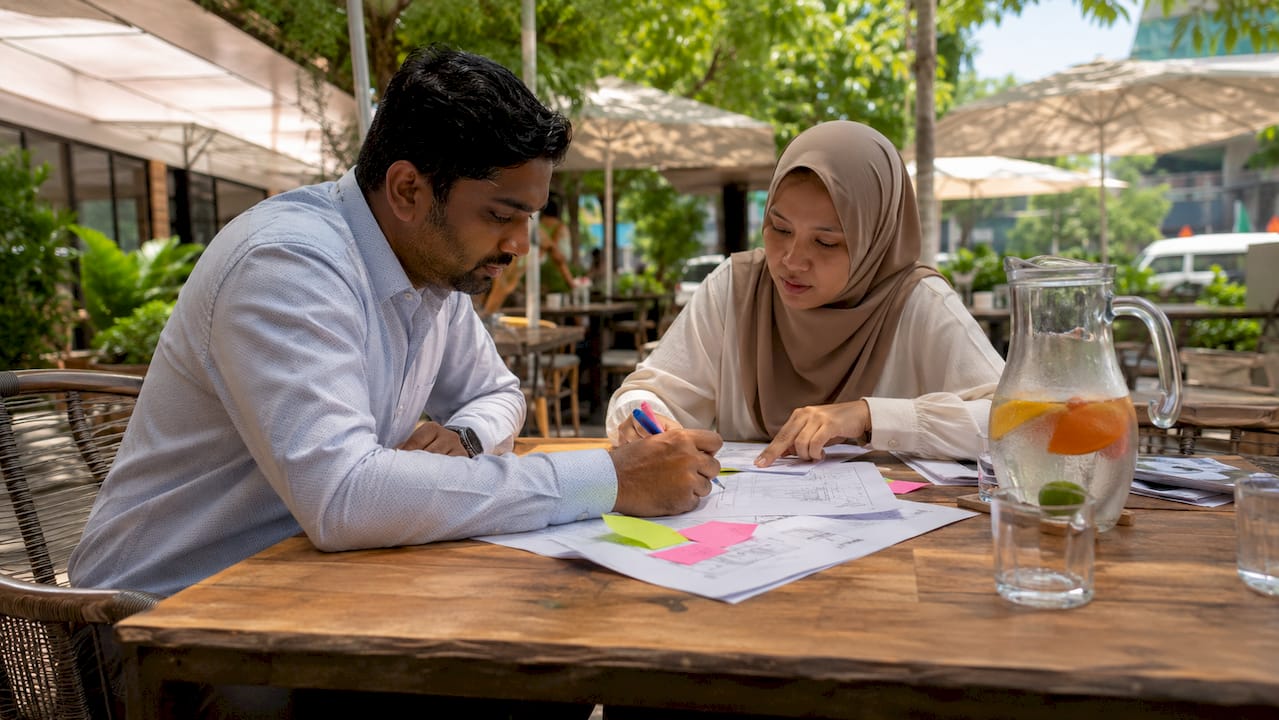
The first decision is choosing the right submission route. Singapore’s BCA framework offers two primary paths: Full Plans and Building Notice. Full Plans involves detailed pre-construction checks and is the preferred route for major structural projects. It provides regulatory certainty before construction begins. Building Notice is faster but carries the risk of costly post-inspection corrections. Full Plans applications risk locking in design before all regulatory issues are resolved, so early dialogue with BCA Building Control officers as consultants is the most effective mitigation.
Best practices for managing the submission process include:
- Engage authorities early. Pre-application meetings with URA and BCA officers clarify ambiguous code interpretations before they become rejection reasons. Early engagement prevents missing inspection milestones and reassessment delays.
- Appoint a submission consultant or expeditor. A dedicated submission consultant manages the regulatory interface, tracks comment deadlines, and coordinates resubmissions. This role is especially critical for projects involving multiple authorities simultaneously.
- Respond to comments completely. Partial responses to regulatory queries are treated as non-responses by most authorities. Address every comment with a specific drawing revision reference and a written explanation.
- Maintain an audit trail. Log every correspondence, submission timestamp, and comment response. This documentation protects the project team in disputes and supports appeals if required.
“Permitting is a high-stakes workflow requiring intensive coordination among architectural, structural, and M&E teams before initial submission. Well-coordinated submissions are the single biggest predictor of approval speed.” — Architecture Development Process Roadmap
Aectechnicalsg’s submission consultancy services provide dedicated regulatory coordination for Singapore developers managing complex multi-authority submissions.
What common mistakes cause delays in architectural approval?
Approval delays are rarely caused by a single failure. They accumulate across phases when teams skip verification steps or assume earlier decisions remain valid.
-
Incomplete applications at submission. Missing signatures, unsigned drawings, or absent specialist reports trigger automatic rejection at the completeness check. The review clock does not start until the package is deemed complete.
-
Overlooking zoning or code requirements during concept design. Discovering a height breach or plot ratio exceedance at detailed design stage forces a full schematic redesign. Zoning verification must happen before concept design begins, not after.
-
Poor coordination among design consultants. Half-baked submission packages increase review time by 20–50%. Architectural, structural, and M&E drawings that contradict each other generate multiple comment rounds. Coordination meetings at each design milestone prevent this.
-
Ignoring early regulatory feedback. Pre-application feedback from URA or BCA that is not incorporated into the design creates predictable rejection points. Treat every piece of regulatory guidance as a binding constraint, not a suggestion.
-
Skipping internal stage-gate audits. Stage-gate verification is an effective compliance control method. Conducting internal checklists at each project phase catches errors before official submission and reduces costly rework. Teams that skip this step submit packages with compounding errors that reviewers identify immediately.
Pro Tip: Schedule a formal internal review 10 working days before each planned submission date. Assign a senior QP or PE who was not involved in drafting the drawings to lead the review. Fresh eyes catch coordination errors that the drafting team has become blind to.
Approval workflow comparison by project type in Singapore
Approval timelines and documentation requirements vary significantly by project type. The table below summarizes typical workflow steps and timeframe ranges for residential, commercial, and mixed-use developments in Singapore.
| Approval Phase | Residential (Private) | Commercial / Industrial | Mixed-Use Development |
|---|---|---|---|
| Site feasibility and zoning check | 5–10 working days | 5–10 working days | 10–15 working days |
| URA Provisional Permission (PP) | 4–8 weeks | 6–10 weeks | 8–12 weeks |
| Detailed design and BCA plan check | 5–8 weeks | 6–10 weeks | 8–14 weeks |
| SCDF, LTA, PUB clearances | Concurrent, 4–6 weeks | Concurrent, 6–8 weeks | Concurrent, 6–10 weeks |
| Building permit issuance | 20–30 working days | 30–45 working days | 35–50 working days |
Commercial and industrial projects carry heavier documentation requirements. SCDF fire safety submissions for commercial buildings require detailed sprinkler calculations, smoke control reports, and means-of-escape analysis. Mixed-use developments add complexity because they trigger multiple authority reviews simultaneously, each with its own comment cycle.
Project scale directly affects approval duration. A small residential addition moves through BCA plan check in weeks. A large mixed-use development with JTC, LTA, and PUB clearances running in parallel can take six months from first submission to permit issuance. Building this reality into project programs from day one prevents schedule overruns. Aectechnicalsg’s 2026 compliance roadmap provides project-type-specific timeline guidance for Singapore developers.
Key Takeaways
The architecture approval process in Singapore requires disciplined phase-by-phase compliance, complete documentation, and proactive engagement with URA, BCA, and co-authorities to achieve timely permit issuance.
| Point | Details |
|---|---|
| Start with zoning verification | Confirm URA Master Plan compliance before committing to any concept design. |
| Submit complete packages | Missing signatures or specialist reports cause immediate rejection and restart the review clock. |
| Use a compliance matrix | Cross-reference every drawing against current codes throughout design, not just at submission. |
| Engage authorities early | Pre-application meetings with URA and BCA resolve ambiguities before they become rejection reasons. |
| Apply stage-gate audits | Internal reviews 10 days before submission catch coordination errors and reduce comment rounds. |
What I have learned from years of Singapore approval submissions
The most persistent mistake I see from experienced developers is treating the architecture approval process as a paperwork exercise. It is not. Every submission is a technical argument that your design meets the code. Regulators read it that way, and your team should prepare it that way.
The shift that changes outcomes is integrating compliance verification into design production rather than bolting it on at the end. When a QP checks code compliance during drawing production rather than after, the errors that generate comment rounds simply do not appear in the submission. This sounds obvious. In practice, deadline pressure pushes compliance checks to the end of the design phase, which is exactly when there is no time to fix what gets found.
I have also seen teams underestimate the value of pre-application engagement with URA and BCA. Singapore’s regulatory officers are technically competent and generally willing to clarify ambiguous requirements before submission. A 30-minute pre-application meeting can resolve an interpretation question that would otherwise generate a two-week comment round. That is not a minor efficiency gain on a project with a 12-month approval program.
The regulatory compliance landscape in Singapore has become more demanding, not less. BCA’s Green Mark requirements, SCDF’s updated fire code, and URA’s evolving planning parameters all require active monitoring. Teams that rely on last year’s templates submit packages with errors they do not know they have made.
— Aman
How Aectechnicalsg supports your approval process
Aectechnicalsg provides end-to-end technical advisory for Singapore developers navigating complex building approvals. The team manages engineering consultancy services across structural, geotechnical, and M&E disciplines, coordinating all consultant outputs into a single, authority-ready submission package.
For projects requiring Professional Engineer endorsement, Aectechnicalsg handles PE endorsement and authority submissions to URA, BCA, SCDF, JTC, LTA, PUB, and NEA. The firm’s compliance checklist framework reduces first-submission rejection rates and shortens overall approval timelines. Contact Aectechnicalsg directly to discuss your project’s approval requirements and get a tailored submission strategy.
FAQ
What is the first step in the architecture approval process in Singapore?
The first step is site feasibility and zoning verification with URA, confirming that the proposed use, plot ratio, and building height comply with the Master Plan. This must be completed before concept design begins.
How long does building plan approval take in Singapore?
Building permit review for mid-size projects typically takes 20–45 working days after a complete submission is accepted. Total approval duration, including URA Provisional Permission and co-authority clearances, ranges from three to six months depending on project type and complexity.
What causes automatic rejection of a building plan submission?
Missing signatures from a licensed Qualified Person or Professional Engineer cause immediate rejection at the completeness check stage. Absent specialist reports, unsigned drawings, or incomplete authority-specific forms produce the same result.
What is the difference between Full Plans and Building Notice submissions?
Full Plans involves detailed pre-construction checks and provides regulatory certainty before construction begins. It is the preferred route for major structural projects. Building Notice is faster but risks costly corrections identified during post-construction inspections.
Do all Singapore building projects need SCDF approval?
SCDF approval is required for projects that trigger fire safety provisions, including most commercial, industrial, and mixed-use developments. Residential additions below certain thresholds may not require SCDF clearance, but this must be confirmed with BCA and SCDF at the feasibility stage.