Introduction
Every factory in Singapore that produces liquid waste from manufacturing or processing operations must obtain regulatory approval before any trade effluent is discharged into the public sewerage system or a watercourse. Industrial effluent and trade drainage submissions to PUB and NEA are not optional administrative steps – they are mandatory regulatory requirements backed by statute, and non-compliance carries severe consequences including stop-work orders, prosecution, and facility closure.
This article covers the full scope of PUB trade drainage permits, NEA discharge licences, submission timelines, documentation requirements, and compliance obligations for industrial premises. It does not address domestic sewage or residential applications. The target audience is factory owners, facility managers, industrial developers, and operations personnel who are directly responsible for ensuring their premises meet Singapore’s effluent discharge regulations.
In short: factories must obtain Written Approval from PUB to discharge trade effluent into the public sewerage system, and Written Permission from NEA to discharge industrial effluent into any watercourse – both before commencing operations. Trade effluent requires written permission for discharge regardless of the receiving water system.
By reading this guide, you will:
-
Understand the documentation and technical requirements for PUB and NEA submissions
-
Identify which regulations and statutes apply to your factory’s specific operations
-
Learn compliance timelines, renewal cycles, and processing benchmarks
-
Recognise the penalty implications for breaches, including recent increases in maximum penalties
-
Know when and how to engage professional support for authority submissions
Understanding Industrial Effluent and Trade Drainage Regulations
Trade effluent refers to liquid waste generated by industrial and manufacturing activities – any liquid waste from trade, business, manufacturing, or construction operations other than domestic sewage. The distinction between “trade drainage” (regulated by PUB for sewer discharge) and “industrial effluent” (regulated by NEA for watercourse discharge) determines which authority governs your submission, which discharge limits apply, and what treatment standards your factory must meet.
These submissions matter because incorrect classification, insufficient treatment, or incomplete documentation can result in permit rejection, costly facility retrofits, enforcement actions, and even criminal liability. With Singapore’s increasing emphasis on water reclamation to produce NEWater, and because effluent quality affects downstream water reclamation plants that treat used water for reuse, treated used water quality standards have become progressively more stringent – making proper submissions more critical than ever.
PUB Trade Drainage Requirements for Public Sewerage System
Trade drainage under PUB’s jurisdiction covers all trade effluent discharged into Singapore’s public sewerage system. This includes process wastewater, cooling water containing contaminants, wash-down water from manufacturing floors, and any other non-domestic liquid waste from trade premises.
The regulatory framework is the Sewerage and Drainage Act (Cap. 294) and the Sewerage and Drainage (Trade Effluent) Regulations, which were enhanced when the TER was gazetted on 1 July 2024, a key compliance date for affected facilities. The Sewerage and Drainage (Amendment) Bill was subsequently passed on November 11, 2024, further strengthening enforcement provisions. Regulations for trade effluent management are enforced by PUB and NEA in Singapore, and every factory generating industrial wastewater must assess whether its operations trigger mandatory approval requirements.
NEA Industrial Trade Effluent Discharge Controls
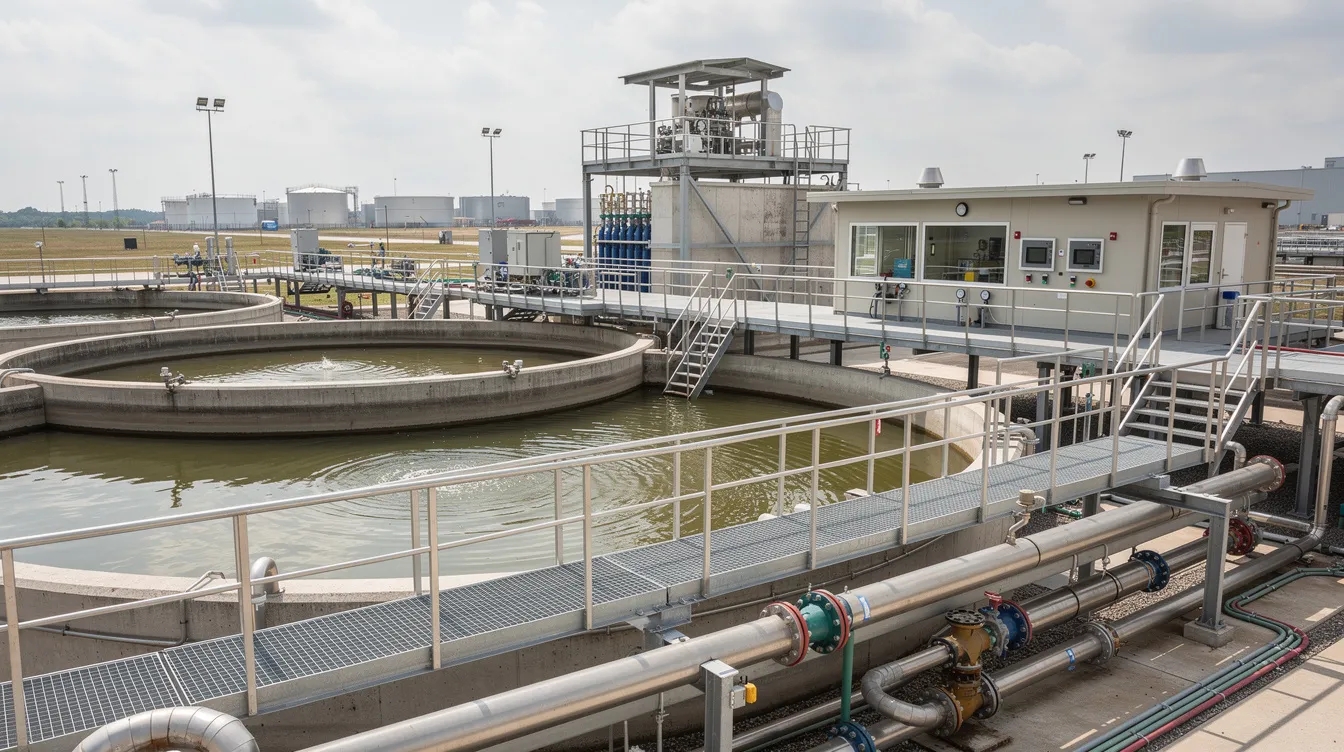
NEA administers the Environmental Protection and Management Act (EPMA) and its Trade Effluent Regulations, governing discharge into watercourses – open drains, canals, rivers, and controlled watercourses that feed into Singapore’s water catchment areas.
NEA’s allowable limits are notably stricter for controlled watercourses. For example, biochemical oxygen demand (BOD) must not exceed 50 mg/L for a standard watercourse, but drops to 20 mg/L for a controlled watercourse. Strict control parameters apply to prevent the pollution of watercourses, and these include limits on heavy metals, prohibited organic compounds, grease and oil, and other substances.
The relationship between PUB and NEA requirements is critical: some factories need approvals from both authorities – PUB for sewer connections and NEA for site drainage that enters watercourses. Understanding this overlap is the first step toward building a complete submission package, which leads directly into the practical processes each authority requires.
Statutory Authority Submissions Process
With the regulatory foundations established, factories must navigate specific submission procedures for each authority. Both PUB and NEA have structured application pathways, but the documentation depth and processing requirements differ based on the nature and volume of discharge, the substances present, and the receiving water system.
PUB Trade Drainage Application Process
PUB’s Written Approval (WA) application is submitted through the PUB Business & Professional Portal. PUB aims to process complete applications within 30 working days. The WA is valid for five years, and renewal applications should be submitted at least three months before expiry.
Trade effluent submissions must detail wastewater characteristics and treatment plans. Required documentation includes:
-
ACRA business profile with UEN, primary and secondary business activities
-
Complete chemical inventory with Safety Data Sheets (SDS) for every chemical used on premises
-
Process flow diagrams showing how effluent is produced, collected, and treated
-
Layout plans and P&ID (piping and instrumentation diagrams) indicating treatment plant location, discharge points, and the final inspection chamber
-
Estimated water consumption, peak discharge rates, and operating hours
-
Accredited laboratory results covering the full suite of parameters under the trade effluent regulations, including over 30 prohibited substances
Inspection chambers must be installed for monitoring trade effluent quality. PUB monitors trade effluent discharge to ensure compliance through sampling at these chambers, periodic inspections, and enforcement measures used to regulate discharges and protect the sewerage system.
NEA Discharge License Applications and Allowable Limits
Factories discharging trade effluent into a watercourse must apply for Written Permission through GoBusiness. NEA’s application process may require an Environmental Impact Assessment for large-volume or high-risk discharges. According to NEA’s Guide on Environmental Requirements for New Developments, factories must complete pre-consultation forms that assess the degree of pollution, volume of discharge, and presence of hazardous substances.
Submissions to authorities must comply with various relevant regulations and standards, and NEA’s process integrates closely with PUB’s where a factory’s discharge could affect both sewers and watercourses. This integrated approach means that understanding the full civil engineering authority approval list is essential for industrial developers coordinating multiple permissions.
Heavy Loading and Chemical Hazards Documentation
A manufacturer handling heavy metals, volatile organic compounds, strong acids, or other regulated substances faces enhanced documentation requirements. Heavy metal discharge limits are extremely tight: total metal concentration must not exceed 1 mg/L in watercourses, with individual metals listed at even lower thresholds – cadmium at ≤ 0.003 mg/L and mercury at ≤ 0.001 mg/L in controlled watercourses. Trade effluent must not exceed 1 mg/L of certain metals even when discharged to non-controlled watercourses.
Trade effluent must also be controlled for substances suspended that can interfere with treatment and downstream reuse. For premises generating volatile or flammable solvents, PUB may mandate real-time VOC monitoring units, penstock control valves to shut off discharge automatically, and fume hood handling systems. Factories storing flammable chemicals may also require SCDF storage licences in parallel with their effluent submissions.
Effluent must not contain certain substances, and it must be managed so operators do not dispose of hazardous waste into the sewerage system via the effluent line. This includes SDS for every chemical, hazardous substance handling procedures, spill prevention plans, and containment design specifications.
The specific compliance requirements vary significantly by industry type – a reality that demands careful assessment of your factory’s particular operations.
Factory-Specific Compliance Requirements
Different manufacturing industries produce fundamentally different effluent profiles, and the submission requirements, treatment technologies, and monitoring obligations vary accordingly. A food processing plant and an electroplating facility face entirely different challenges – but both must meet the same regulatory standards before any trade effluent is discharged.
Manufacturing Industry Categories
The nature of your operations determines which specific parameters, treatment approaches, and documentation depths apply:
-
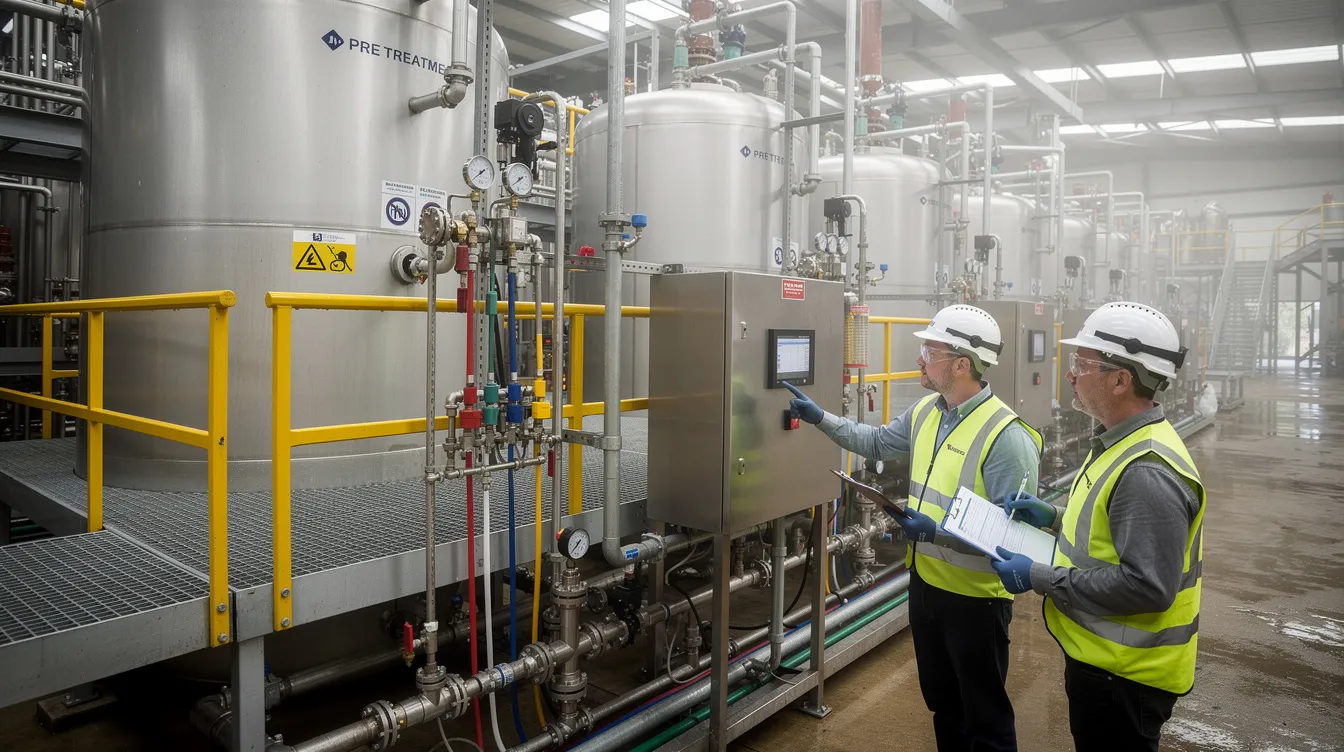
Chemical processing plants generate acid and alkali waste, heavy metals, organic solvents, and potentially toxic waste. These high-risk operations typically require neutralisation systems, pH control, specific metal removal technologies (precipitation, ion exchange, electrochemical treatment), solvent recovery, and VOC controls. Workers maintaining these pre treatment plants require specialised training in chemical safety and health protocols.
-
Food and beverage facilities produce large volumes of grease, oil, and effluent with high biochemical oxygen demand and total suspended solids. Stringent requirements for grease traps and oil interceptors apply, with frequent maintenance schedules. pH fluctuations during cleaning operations are a common compliance challenge.
-
Electronics and semiconductor factories handle heavy metals including copper, chromium, nickel, and arsenic, along with acids and caustics. Multiple stages of rinsing and plating create complex wastewater streams that may require advanced treatment such as reverse osmosis, ion exchange, or galvanic recovery to meet maximum concentrations for metals listed in the regulations.
-
Textile and garment factories use dyeing chemicals, salts, and strong colorants that produce high COD and BOD loads. Colour removal and chemical oxidation systems are typically required, and effluent volumes fluctuate significantly depending on batch size – a factor that must be accounted for in treatment system design.
Effluent Quality Standards Comparison for Prohibited Organic Compounds
Effluent must meet specific standards including temperature and pH limits before discharge. The following table shows key discharge limits that factories must achieve, depending on whether the receiving point is a watercourse or controlled watercourse:
|
Parameter |
Watercourse (Non-Controlled) |
Controlled Watercourse |
|---|---|---|
|
BOD (5-day, 20°C) |
≤ 50 mg/L |
≤ 20 mg/L |
|
COD |
≤ 100 mg/L |
≤ 60 mg/L |
|
Total Suspended Solids (TSS) |
≤ 50 mg/L |
≤ 30 mg/L |
|
pH Range |
6–9 |
6–9 |
|
Cadmium |
≤ 0.1 mg/L |
≤ 0.003 mg/L |
|
Chromium |
≤ 1 mg/L |
≤ 0.05 mg/L |
|
Mercury |
Specified limit |
≤ 0.001 mg/L |
|
Total Metals |
≤ 1 mg/L |
≤ 0.5 mg/L |
|
Grease & Oil |
≤ 10 mg/L |
Tighter limits apply |
For discharge into the public sewerage system under PUB’s Trade Effluent Fee Scheme (TEF), higher concentrations may be permitted – up to BOD 6,000 mg/L, TSS 6,000 mg/L, and COD 10,000 mg/L – but the COD/BOD ratio must remain below 3, and elevated charges apply. Trade effluent samples are used to calculate volumes, concentrations, and applicable fees. Sampling frequency for trade effluent is determined by business owners in consultation with PUB requirements.
Trade effluent must be analyzed per Standard Methods, and trade effluent must comply with Standard Methods for water examination across all parameters. Factories must maintain records of trade effluent analysis for potential inspection by PUB or NEA at any time.
These quality standards directly influence what facility upgrades and monitoring infrastructure your factory requires.
Facility Upgrades and Retrofitting Requirements
On-site pre-treatment facilities may be required if trade effluent exceeds allowable limits. New factories must design treatment systems from the ground up: screening, grit removal, oil traps, pH neutralisation, primary settling, secondary biological treatment (activated sludge or SBR) for high organic loads, and tertiary treatment for metals, colour, or advanced oxidation.
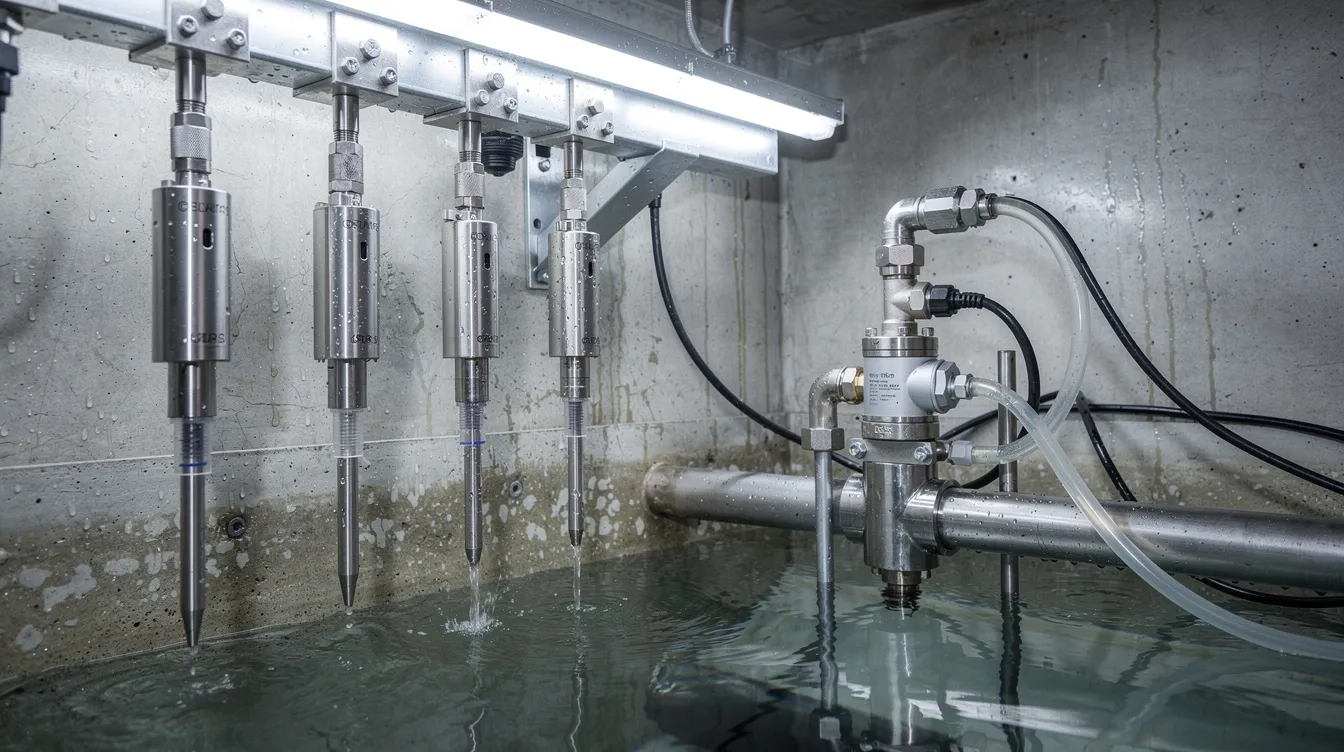
Existing facilities may need to retrofit by adding monitoring points (autosamplers, water quality sensors, penstocks), strengthening containment for hazardous chemicals, upgrading grease traps or oil interceptors, and increasing treatment capacity. Some industries may require membrane filtration or reverse osmosis systems to meet controlled watercourse standards.
Trade effluent management includes ongoing operational practices to monitor and maintain pre-treatment systems so treatment performance remains compliant. Key monitoring equipment includes real-time pH sensors, flow meters, dissolved oxygen probes, autosamplers at the final inspection chamber, and penstock valves for emergency shutoff. All equipment requires regular calibration, and maintenance records must be kept. Workers maintaining these systems need to understand both the operational parameters and the regulatory implications of equipment failure.
For factories undergoing renovation or expansion, JTC factory renovation submission requirements must be coordinated with PUB and NEA effluent submissions to avoid conflicting timelines.
Common Submission Challenges and Solutions
Even well-prepared factories encounter obstacles during the submission process. Understanding these common pitfalls – and their solutions – can prevent costly delays and rejections.
Incomplete Technical Documentation
The most frequent cause of submission delays is missing or inadequate documentation: absent SDS for chemicals used on premises, unclear process flow diagrams, lack of accredited laboratory test results, or poor-quality photographs of treatment infrastructure. Factories must notify PUB of significant changes in effluent characteristics immediately, and the initial submission must be comprehensive enough to withstand scrutiny.
Solution: Engage competent engineering consultants early in the process. Compile a complete chemical inventory with current SDS for every substance. Commission accredited laboratory analysis covering all regulated substances and parameters before submission. Prepare clear, to-scale layout plans showing the last inspection chamber, all sampling points, and the complete treatment process. Professional engineering drawings and calculations prepared by a Qualified Person or Professional Engineer significantly reduce the risk of rejection. For an overview of what constitutes thorough project submission requirements in Singapore, engaging with experienced consultants is invaluable.
Regulatory Timeline Conflicts
PUB’s 30-working-day processing target assumes complete documentation. In practice, incomplete submissions, requests for additional information, or coordination across multiple authorities (PUB, NEA, URA, JTC, SCDF) can create significant delays. NEA processing may take longer for high-risk or large-scale discharges.
Solution: Request pre-consultation with both PUB and NEA using their respective pre-consultation forms. Allocate buffer time of at least two to three months beyond the standard processing period. Coordinate submissions so that PUB WA and NEA permission applications progress in parallel. Submit renewal applications at least three months ahead of WA expiry. Understanding the construction approval workflow in Singapore helps factory developers sequence their submissions correctly.
Effluent Treatment System Design Errors
Under-sized treatment plants, mismatches between peak discharge and average flow, inadequate capacity for batch-process variations, and selection of wrong technologies are common design failures. These can result in effluent that exceeds discharge limits – triggering enforcement actions and costly system replacement.
Solution: Conduct thorough load estimation quantifying maximum chemical usage, water consumption, discharge volumes, and peak flows. Select treatment technology matched to your specific pollutants (neutralisation for pH, precipitation for metals, biological treatment for organic loads, membrane systems for stringent limits). Design for worst-case scenarios and simulate or pilot-test before full commissioning. Build in redundancy, bypass mechanisms, and capacity for future expansion or stricter standards.
Polluted discharges can lead to enforcement actions by PUB and NEA, making professional guidance during the design and submission phases not merely advisable but essential.
Conclusion and Next Steps
Successful PUB and NEA submissions require thorough preparation, precise technical documentation, and deep regulatory knowledge. The consequences of failure are substantial: PUB prosecuted 90 offenders for 295 trade effluent offences from 2017 to 2023, and about 70% of prosecuted offenders are repeat offenders each year. Maximum penalties for illegal discharges have been increased under new regulations, and PUB may issue stop work orders for illegal trade effluent discharges – making illegal discharge prevention a business-critical priority.
Take these immediate steps to ensure your factory’s compliance:
-
Assess current discharge volumes and characterise your effluent through accredited laboratory analysis of all relevant parameters
-
Identify applicable regulatory categories – determine whether your discharge enters public sewers, watercourses, or controlled watercourses, and which authority requirements apply
-
Engage qualified engineering consultants with experience in PUB and NEA authority submissions, wastewater treatment design, and industrial compliance
-
Prepare comprehensive submission documentation including process flows, P&IDs, layout plans, chemical inventories with SDS, and laboratory results
Beyond initial approval, factories face ongoing obligations: regular effluent monitoring, maintenance of pre-treatment systems, record-keeping for inspections, five-year WA renewals, and immediate notification to PUB of any changes in operations or effluent characteristics. The drive toward NEWater production and stricter water quality standards means that compliance is not a one-time exercise but a continuous operational commitment.
Related topics worth exploring include PUB drainage requirements, NEA approval processes for construction projects, and water sensitive urban design – all of which intersect with industrial effluent management obligations.
Professional Submission Services
AEC Technical Advisory provides specialist expertise in PUB and NEA authority submissions for industrial facilities across Singapore. Our engineering team handles the complete submission process – from initial effluent characterisation and treatment system design through to regulatory documentation, authority liaison, and approval.
We support factories across all industries including chemical processing, food and beverage, electronics manufacturing, and textile operations, with a proven track record in regulatory compliance and facility upgrades. Our services encompass process flow development, P&ID preparation, treatment plant specification, laboratory coordination, and ongoing compliance support through renewal cycles.
Whether you are establishing a new factory, retrofitting an existing facility, or navigating a complex multi-authority approval, AEC Technical Advisory delivers the engineering design capability and regulatory knowledge to secure your approvals efficiently and protect your operations from compliance risk. Contact our team for a consultation on your industrial effluent and trade drainage submission requirements.