
Introduction
Concrete carbonation in manufacturing plants progresses far faster than in typical commercial buildings. Elevated carbon dioxide concentrations from combustion processes, chemical emissions, heavy machinery vibrations, and aggressive wet-dry cycling create conditions where the carbonation front advances at rates of 1 mm to 5 mm per year in industrial areas-dramatically reducing the remaining service life of reinforced concrete structures. For facility managers and plant engineers, understanding which repair strategies match your specific loading, chemical exposure, and operational constraints is the difference between a cost-effective intervention and a full structural replacement.
This article covers the complete lifecycle of carbonation repair in manufacturing environments: from assessment and diagnosis through material selection, phased implementation under operational constraints, and regulatory compliance-with particular attention to Singapore’s BCA and NEA requirements. It addresses conditions unique to heavy industrial facilities: chemical hazard compatibility, heavy dynamic and static loading from equipment, and the logistical reality of repairing concrete structures while maintaining production continuity.
The primary repair strategies for carbonation-affected concrete in manufacturing plants center on accurate carbonation depth assessment using diagnostic techniques such as the phenolphthalein test and corrosion potential mapping; removal of carbonated concrete to restore an alkaline environment around steel reinforcement; application of chemical-resistant repair mortars or epoxy resin systems; protective anti-carbonation coatings to prevent CO₂ ingress post-repair; and structural strengthening where load bearing capacity has been compromised.
Key outcomes you will gain from this article:
-
Cost comparisons across repair methods, from early intervention at 5–10% of replacement cost to full structural replacement
-
Repair material selection criteria for environments with simultaneous chemical exposure and heavy loading
-
Phased repair procedures that minimize production downtime in operational facilities
-
Regulatory compliance strategies for Singapore’s BCA structural guidelines and NEA environmental requirements
-
Preventive maintenance approaches that can extend service life by 20–30 years
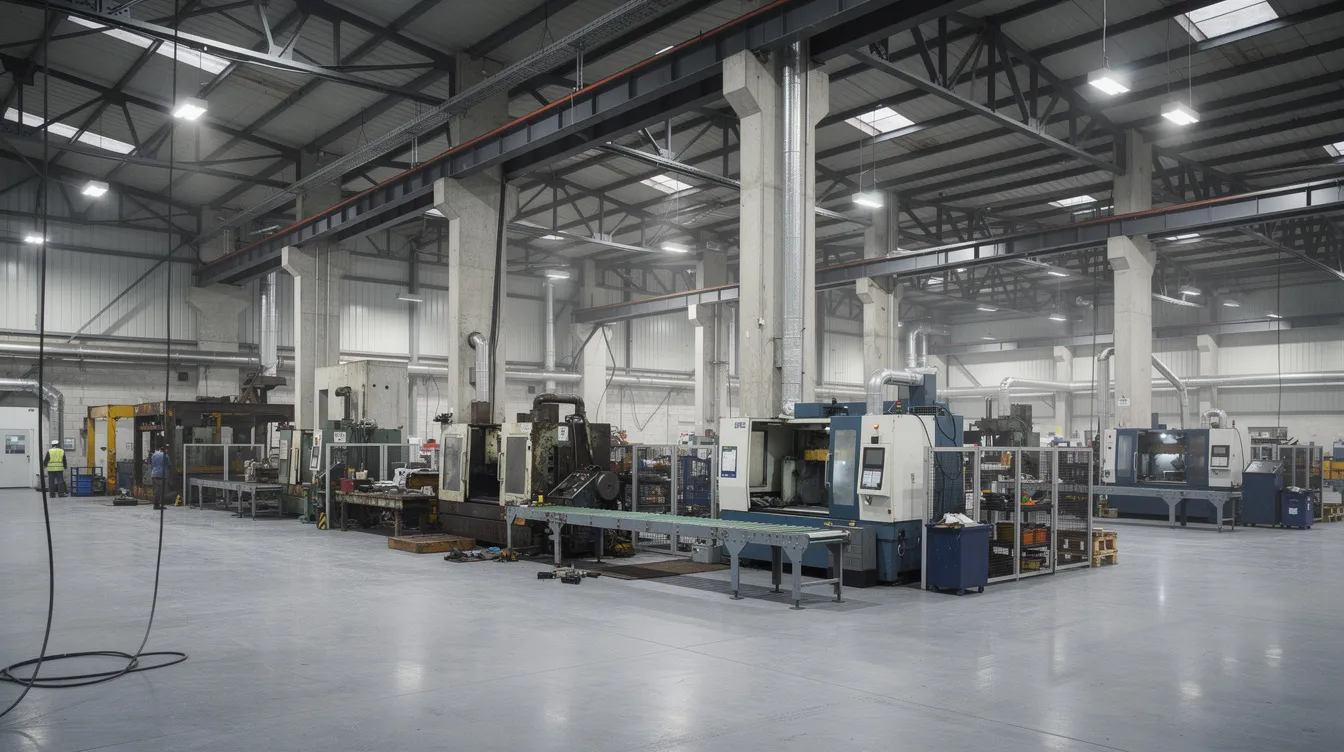
Understanding Concrete Carbonation in Manufacturing Environments
Concrete carbonation is a chemical process in which atmospheric carbon dioxide penetrates the cement paste and reacts with calcium hydroxide (portlandite) to form calcium carbonate. This reaction progressively reduces the high alkalinity of concrete-dropping the pH from its initial 12.5–13.5 to approximately 8–9-destroying the passivating layer that protects embedded steel from corrosion. Once the carbonation front reaches reinforcing steel at a depth greater than the available concrete cover thickness, carbonation induced corrosion begins, and corrosion products from reinforcing steel expansion cause cracking and spalling that compromise structural safety.
In manufacturing environments, this process is dramatically accelerated by various factors. Industrial CO₂ concentrations from combustion, process exhausts, and poor ventilation can be several times higher than typical atmospheric levels. Temperature fluctuations from heavy machinery operation accelerate the chemical reactions driving carbonation. Moisture levels between 50% and 70% accelerate carbonation by providing the water necessary for CO₂ to form carbonic acid and react with the pore water of the cement paste-while full saturation actually slows further CO₂ diffusion into the concrete surface.
Industrial-Specific Carbonation Factors
Manufacturing processes release not only carbon dioxide but also sulfur dioxide, acidic vapors, and industrial particulates that directly attack concrete structures. These chemical emissions alter the pore solution chemistry, promoting faster carbonation or modifying the nature of carbonate products in ways that reduce durability. In plating shops, chemical plants, and facilities handling aggressive solvents, the concrete surface experiences continuous chemical assault that compounds the effects of carbonation.
Heavy machinery vibrations represent another critical industrial-specific factor. Continuous vibration from presses, conveyors, and production equipment generates microcracks throughout the concrete cover, creating additional pathways for CO₂ ingress. A study conducted on cover depth effects found that carbonation depth ranged from 0 to 63% of concrete cover, with cover depths less than approximately 40 mm showing substantially increased vulnerability to spalling. These microcracks accelerate the progression of the carbonation front well beyond rates predicted by standard models, which assume the front advances at a rate proportional to the square root of time.
Heavy Loading Impact on Carbonated Concrete and Reinforcement Corrosion
The interaction between manufacturing equipment loads and carbonation-weakened concrete creates a compounding failure mechanism. Carbonation can lead to significant reduction in load bearing capacity once corrosion of reinforcing bars reduces their cross sectional area. Corrosion can cause rust to occupy four times the volume of the original steel, generating internal stresses that crack and delaminate the concrete cover from the inside out. Under heavy static or dynamic loads from machinery foundations, crane rails, and forklift traffic, these weakened zones become critically susceptible to deformation and progressive failure.
The relationship between carbonation depth and load-bearing capacity is particularly concerning for industrial floors and foundations. Carbonation-induced corrosion is uniform across reinforcing steel surfaces, meaning the load transfer capacity of entire structural elements can degrade simultaneously rather than at isolated points. When reinforcement corrosion reduces the elastic modulus and effective cross sectional area of reinforcing bars, load paths shift to less reinforced areas, increasing corrosion risk of progressive collapse under loads that were originally well within design capacity. Carbon Fiber Reinforced Polymer (CFRP) strengthening is increasingly used to restore and increase load-bearing capacity in these situations.
Understanding the extent of carbonation damage through proper assessment is essential before selecting any repair strategy-a thorough diagnosis prevents ineffective or excessive repairs.
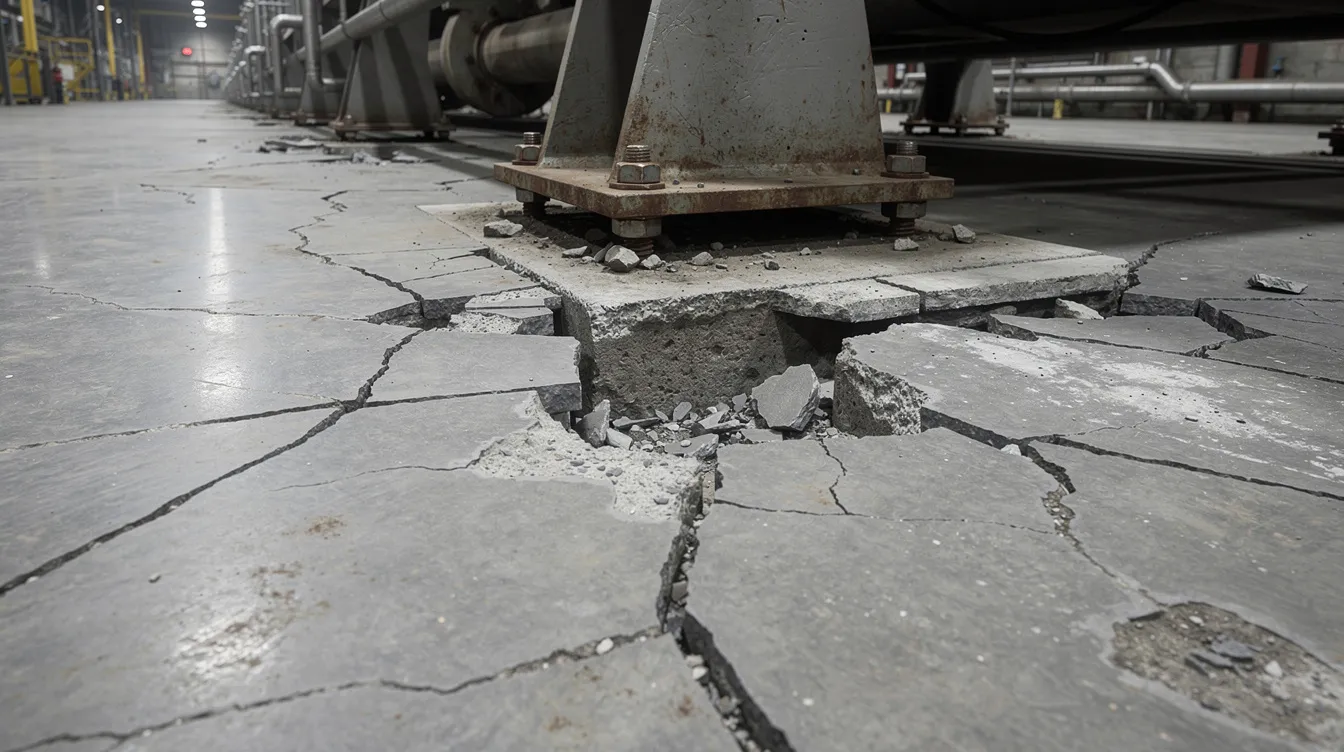
Assessment and Diagnostic Techniques for Manufacturing Plant Concrete
Effective assessment of carbonation damage in manufacturing plants must balance thoroughness with minimal disruption to production operations. The goal is to accurately characterize carbonation depth, chemical contamination, reinforcement corrosion state, and remaining structural capacity-all while working around active machinery, chemical hazards, and shift schedules.
Non-Disruptive Testing Methods
The phenolphthalein test remains the most direct method for carbonation depth assessment. Phenolphthalein indicator is sprayed onto a freshly exposed concrete surface-either from small cores extracted during maintenance windows or from cut sections. A pink color indicates high pH (non-carbonated concrete), while a colorless response confirms carbonation. ASTM C856 outlines the standard practice for carbonation depth assessment using this method. In manufacturing environments where chemical exposure might affect color interpretation, technicians must account for contaminants that could alter pH readings on the concrete surface. Carbonation depth can reach 5–10 mm over 50 years in normal conditions, but industrial environments with elevated CO₂ can produce significantly deeper penetration. Concrete with a water-to-cement ratio below 0.45 may carbonate only 5–10 mm in 50 years, while higher ratios in aggressive environments accelerate this considerably.
Corrosion potential mapping using half-cell potential measurements indicates corrosion risk in reinforcing steel by measuring the electrical potential of embedded steel through a portable reference electrode moved across the concrete surface. This non-destructive testing technique generates grid maps identifying areas where steel is actively corroding. For operational plant areas, mapping can be conducted during off-peak hours, though safety protocols must address proximity to power lines and active machinery.
Rebound hammer testing and Ultrasonic Pulse Velocity (UPV) provide screening-level data across large floor areas and structural elements. While less precise for carbonation depth measurement, these non-destructive tests detect internal discontinuities without damage and are valuable for mapping severity across thousands of square meters of manufacturing floor space. Visual inspection identifies cracks and corrosion indicators-rust staining, delamination, spalling-that guide more detailed investigation. Regular inspections and maintenance can prevent significant deterioration before it becomes a structural emergency, as detailed in this guide on common structural defects.
Chemical Hazard Assessment
Evaluation of chemical contamination effects on concrete and repair material compatibility is critical in manufacturing environments. Concrete samples from the cover zone must be analyzed for chloride ions and sulfate content using titration or ion chromatography. Chloride ions accelerate corrosion in reinforced concrete once the passive film is compromised by carbonation, creating a synergistic attack mechanism far more aggressive than either chloride attack or carbonation alone. Sulfates from process chemicals can cause decalcification and further deterioration of the cement paste.
Testing must also determine the species of sulfate present (magnesium, sodium) as this affects repair material compatibility. The evaluation should encompass acid resistance, alkalinity tolerance, and resistance to solvents, oils, and aggressive reagents specific to the manufacturing process. Some chemicals degrade polymer modified or certain cementitious repair materials, making this assessment essential before specifying any repair system.
Regulatory Compliance Documentation
Singapore’s Building and Construction Authority (BCA) requires that products and systems for protection and repair of concrete structures comply with BS EN 1504 standards. The BCA Approved Document also requires concrete to comply with SS EN 206-1 / SS 544 for durability, including appropriate environmental exposure class designations for industrial conditions. For structural modifications or major repairs affecting load bearing capacity, Professional Engineer (PE) endorsement is required.
The National Environment Agency (NEA) imposes environmental compliance requirements covering chemical run-off during repair works, disposal of removed concrete debris, and volatile organic compound (VOC) emissions from coatings and repair materials. Documentation of the assessment and repair methodology for the affected structure, along with material certifications and structural calculations, forms the regulatory foundation for approval. The cost implications of deferred periodic structural inspection make proactive assessment far more economical than reactive emergency repairs.
With assessment data in hand, the next step is selecting and implementing repair strategies matched to the specific carbonation damage, chemical exposures, and loading requirements identified.
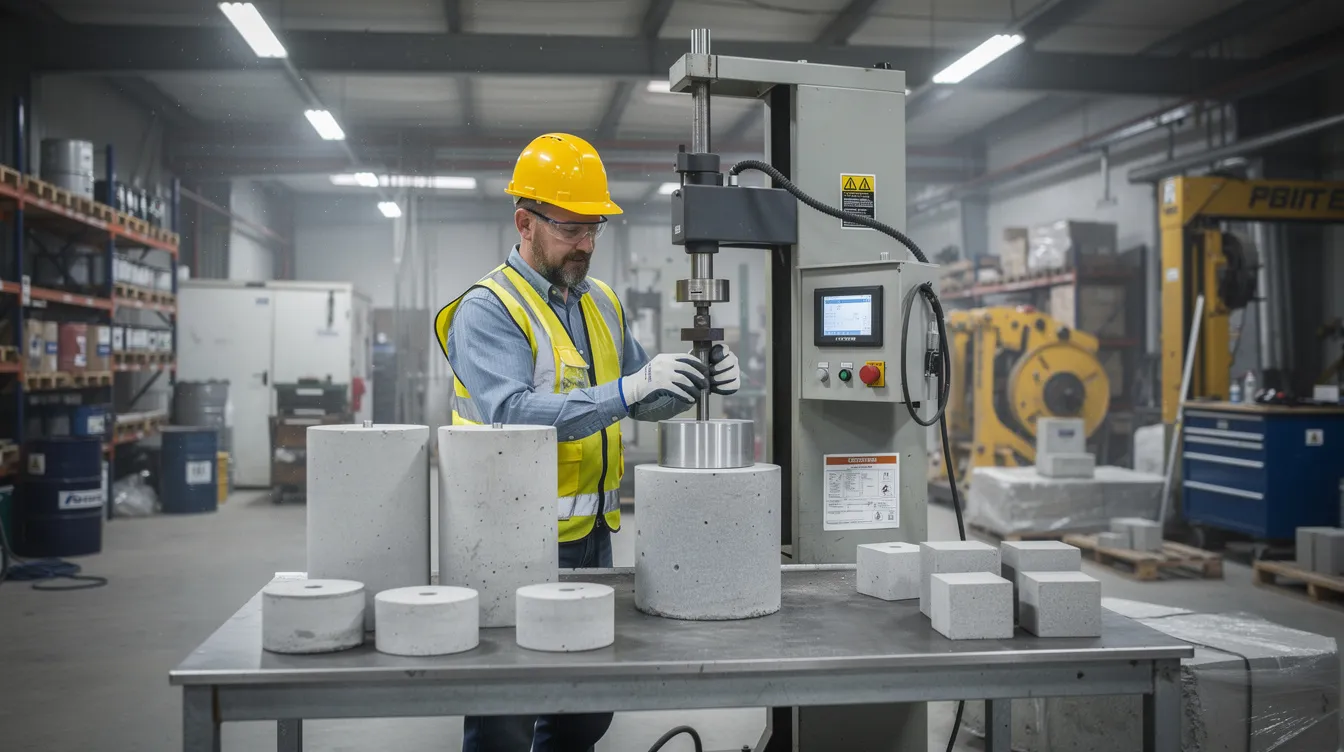
Manufacturing Plant Repair Strategies and Implementation
Repair strategy selection must integrate assessment findings with the operational realities of a manufacturing plant: production schedules that cannot tolerate extended shutdowns, chemical exposures that continue during and after repair, and heavy loads that must be supported throughout the process. An effective maintenance strategy reduces future repair costs and prolongs service life-investing 1–2% of asset value in preventive maintenance reduces long-term maintenance costs by up to 50%.
Phased Repair Procedures for Operational Facilities
In operational manufacturing plants, large continuous downtime is extremely costly. Repairs must be phased to maintain production continuity, working zone by zone rather than shutting down entire facilities. The following sequence applies to most manufacturing plant carbonation repairs:
-
Production area isolation and safety zone establishment. Identify highest-risk areas based on assessment data. Cordon off repair zones with chemical safety protocols including spill containment and ventilation. Temporarily support or relocate heavy equipment where foundation repair is needed. Establish clear pedestrian and equipment safety boundaries.
-
Concrete removal and steel preparation using industrial-grade equipment. Remove carbonated concrete to sound, non-carbonated material. Removing carbonated concrete can help restore an alkaline environment around steel. Methods include hydrodemolition and diamond wire cutting for precision in areas adjacent to operating equipment. Clean reinforcing steel to remove rust and scale; assess section loss against minimum required cross sectional area. Cracks should be repaired promptly to minimize carbonation progression. Cement grout injection fills cracks and consolidates foundations where voids are present.
-
Chemical-resistant repair material application and curing. Apply bonding agents and selected repair materials-common repair materials for carbonated concrete include polymer-modified mortars, epoxy resin with corrosion inhibitors, or fiber-reinforced systems depending on exposure conditions. Many prebagged cementitious repair mortars are mixed with only water according to manufacturer instructions, then placed to enhance adhesion and reduce shrinkage. Use formwork where needed, ensure proper compaction, and employ industrial-grade curing methods (curing compounds, damp blankets, or controlled humidity enclosures) to protect repairs in the harsh plant environment.
-
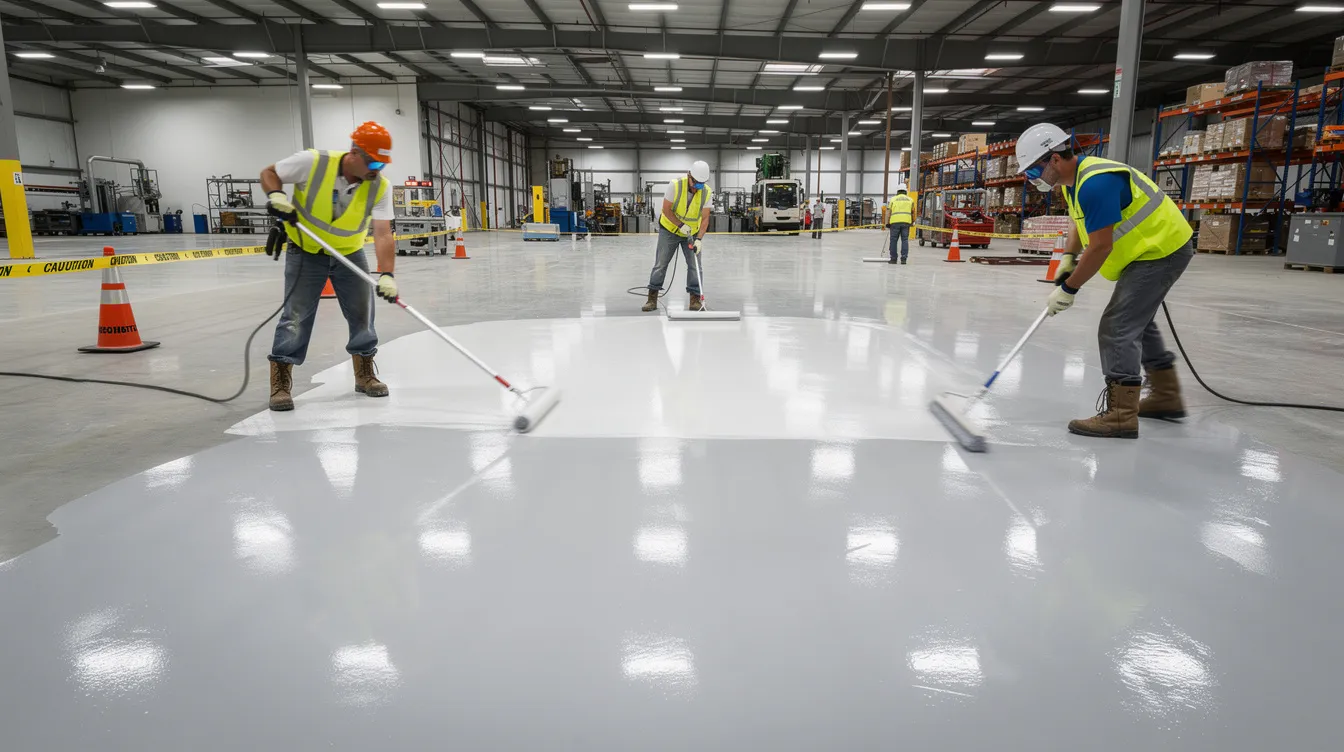
Protective coating systems for ongoing chemical exposure. Anti-carbonation coatings are applied after repair to prevent corrosion by limiting CO₂ and moisture ingress, which is critical for concrete longevity. Options include novolac epoxies, polyurethane screeds, vinyl ester coatings, and chemical-resistant overlays. Surface densifiers such as sodium silicate reduce porosity and enhance surface hardness. Moisture must be controlled to slow down carbonation-induced corrosion in the repaired zones.
-
Quality assurance testing and production area restoration. Verify bond strengths, overlay thickness, and chemical resistance through non-destructive testing. For critical structures with extensive carbonation, electrochemical re-alkalization can restore high pH in carbonated concrete, and cathodic protection applies a small electric current to prevent rebar corrosion in high-risk zones. Complete regulatory documentation, remove scaffolding and temporary supports, and restore operational traffic flow.
In a documented case at a chemical plant, an epoxy-based self-leveling resurfacer was applied under a belt extractor with heavy vibration and chemical exposure-covering approximately 59 m² and achieving functional strength in 24 hours, significantly reducing production downtime. This demonstrates the viability of rapid-cure epoxy systems in aggressive environments.
Repair Mortars and Material Selection Comparison
Selecting the right repair material for manufacturing environments requires balancing chemical resistance, load bearing capacity, curing time, and cost against the specific conditions identified during assessment. Low permeability materials are recommended for repairing carbonated concrete to limit future CO₂ ingress. For localized corrosion, structural repairs combined with protective measures are needed, while structural jacketing improves ductility and fire resistance for more extensively damaged elements.
|
Criterion |
Polymer-Modified Mortars |
Epoxy-Based Repairs |
Fiber-Reinforced Systems |
Chemical-Resistant Overlays |
|---|---|---|---|---|
|
Chemical Resistance |
Moderate |
Excellent |
Moderate (matrix-dependent) |
Very High |
|
Heavy Load Capacity |
Moderate |
High |
High (improved tensile) |
Good |
|
Curing Time |
24–72 hours |
~24 hours functional |
2–7 days |
Varies by system |
|
Cost Factor |
Moderate |
Higher |
Moderate |
Highest |
|
Best Application |
General patch repair |
Equipment zones with vibration |
Crack-prone structural elements |
Chemical bunds, process areas |
|
Limitations |
Limited acid resistance |
Sensitive to surface prep |
Limited standalone chemical resistance |
Specialized installation required |
For environments with simultaneous heavy loading and chemical exposure-such as chemical processing floors or plating shops-epoxy resin systems or urethane cement overlays typically offer the best combination of properties. Surface preparation accounts for 80–90% of project time in industrial flooring repairs, making proper substrate preparation the single most critical success factor.
Early repair costs 5–10% of replacement cost with a 10–15 year lifespan, while extensive repair costs 15–40% of replacement cost with a 5–10 year lifespan. Replacement costs 100% of the original structure’s cost. This economic gradient makes early detection and intervention by far the most cost-effective approach. Preventive measures can extend service life by 20–30 years when properly implemented and maintained.
Common Challenges and Solutions in Manufacturing Plant Repairs
Manufacturing plant repairs involve challenges rarely encountered in commercial building maintenance. The combination of continuous operations, aggressive chemical environments, and regulatory complexity requires proactive planning.
Production Continuity During Major Repairs
Heavy machinery foundations may need temporary structural support during concrete replacement. Steel shoring systems and temporary load transfer platforms allow equipment to continue operation while substrate repairs proceed beneath or adjacent to machinery. Scheduling repairs during off-shift periods, weekends, or planned maintenance windows is essential. Phasing repairs in small zones-rather than large contiguous areas-prevents full plant shutdown. In a documented chemical bund refurbishment, phased execution with heavy-duty resin mortar and polyurethane screed application limited operational disruption while achieving full chemical containment.
Chemical Compatibility Issues
Many manufacturing environments involve continuous exposure to acidic solutions, alkalis, solvents, or oils that will degrade conventional repair materials over time. Repair methods must incorporate materials specifically formulated for the chemicals present-reactive resin systems such as epoxy novolac or vinyl ester for severe acid exposure, urethane cement where thermal shock resistance and chemical resistance are both required. Long-term protection strategies include sealed-pore coatings, sodium silicate densifiers to reduce permeability, sacrificial overlays, and proper drainage design to control water ingress. Environmental factors can significantly influence carbonation rates in concrete, making ongoing environmental control part of the repair strategy. Concrete properties also matter: mixes incorporating portland cement with supplementary cementitious materials like fly ash or silica fume can produce denser microstructures with lower water to cement ratio, though some blended cements reduce calcium hydroxide availability and may accelerate carbonation if not properly balanced-as highlighted in research on lower-clinker cements.
Regulatory Approval Delays
Pre-approved repair specification documents with materials and methods already compliant with BCA requirements and BS EN 1504 classifications dramatically accelerate the approval process. Maintaining a current list of materials with test certificates, sourced from BCA’s directory of registered contractors under the CR05 (Concrete Repairs) workhead, eliminates delays from material qualification.
Engaging Professional Engineers early ensures designs are supported by structural calculations and that PE endorsement requirements are met without delay. Environmental impact assessments covering chemical wash-off, VOC emissions, and waste concrete disposal should be prepared proactively where NEA regulations apply. For facilities approaching their periodic structural inspection milestones, integrating carbonation repair into the inspection cycle avoids duplicate mobilization costs.
Proactive planning across production, chemical compatibility, and regulatory dimensions converts what could be a reactive emergency into a controlled life cycle management process.
Conclusion and Next Steps
Effective structural repair of carbonation damage in manufacturing plants requires a systematic approach: accurate assessment using the phenolphthalein test and corrosion potential mapping, material selection matched to specific chemical exposures and loading conditions, phased implementation that respects production schedules, and protective systems that prevent future CO₂ ingress. The economic case is clear-early intervention at 5–10% of replacement cost far outweighs the alternative of full structural replacement, and preventive measures can extend the service life of reinforced concrete structures by 20–30 years.
Immediate next steps for facility managers and plant engineers:
-
Schedule a comprehensive facility assessment including carbonation depth testing, chemical contamination analysis, and structural capacity evaluation of critical load bearing elements
-
Engage a Professional Engineer with proven experience in industrial concrete repair to develop repair specifications compliant with BS EN 1504 and BCA requirements
-
Develop a phased repair plan aligned with production schedules and maintenance windows to minimize operational disruption
-
Establish a preventive maintenance program with regular visual inspection intervals and periodic structural inspection compliance
Related topics worth exploring include integration of carbonation repair into broader facility upgrade programs, smart monitoring systems with embedded sensors for real-time carbonation front tracking, and emerging corrosion inhibitor technologies for extended protection in aggressive environments.
Additional Resources
Singapore Regulatory References:
-
BCA Approved Document for structural repair compliance, including SS EN 206-1 / SS 544 and BS EN 1504 requirements
-
BCA Directory of Registered Contractors under workhead CR05 (Concrete Repairs) for statutory submissions
-
NEA guidelines for environmental compliance during industrial repair works, covering VOC emissions and chemical waste disposal
Industry Standards:
-
BS EN 1504: Products and systems for protection and repair of concrete structures
-
ASTM C856: Standard practice for petrographic examination of hardened concrete, including carbonation depth assessment
-
American Concrete Institute (ACI) guidelines for durability design and repair of reinforced concrete in aggressive environments
Professional Consultation:
-
Structural and materials consultants specializing in industrial facility assessment, including thermogravimetric analysis for carbonation characterization and carbonation test protocols for manufacturing environments
-
Engineering firms with proven experience in structural repair for Singapore projects, including retaining walls, foundations, and industrial floor systems in marine environment and other aggressive environments