
Imagine a workplace that hums like a well-octuned orchestra, where every element works in harmony to boost productivity and employee satisfaction.
Just as a master chef carefully arranges ingredients to create a culinary masterpiece, a thoughtfully designed office layout can be the secret ingredient to a company’s success.
With the average employee spending around 40 hours a week at their desk, it’s no wonder that a strategic layout can significantly impact their well-being and performance.
As businesses increasingly prioritize sustainability, incorporating eco-friendly materials into the design process is not only a moral imperative, but also a savvy business move, as it can lead to cost savings and enhanced brand reputation.
By combining innovative layouts with sustainable materials, companies can create a workspace that is both a haven for employees and a haven for the planet.
Optimizing Office Layouts To Boost Employee Productivity And Satisfaction Rates
The way an office is laid out can have a significant impact on employee productivity and overall job satisfaction, as it influences collaboration, communication, and individual work styles.
A well-designed office space can foster a sense of community and creativity, leading to increased employee engagement and better work outcomes.
By incorporating elements such as natural light, flexible workspaces, and ergonomic furniture, businesses can create an environment that supports the well-being and success of their employees.
The future of work hinges on designing office spaces that prioritize employee experience and happiness.
- Smart office design can increase productivity by up to 20% by reducing distractions and improving workflow.
- Incorporating biophilic elements, such as plants and natural materials, can enhance employee well-being and job satisfaction.
- Flexible workspaces that accommodate different work styles can lead to a significant boost in employee engagement and retention rates.
Creating Dynamic Workspaces Through Strategic Space Management And Planning
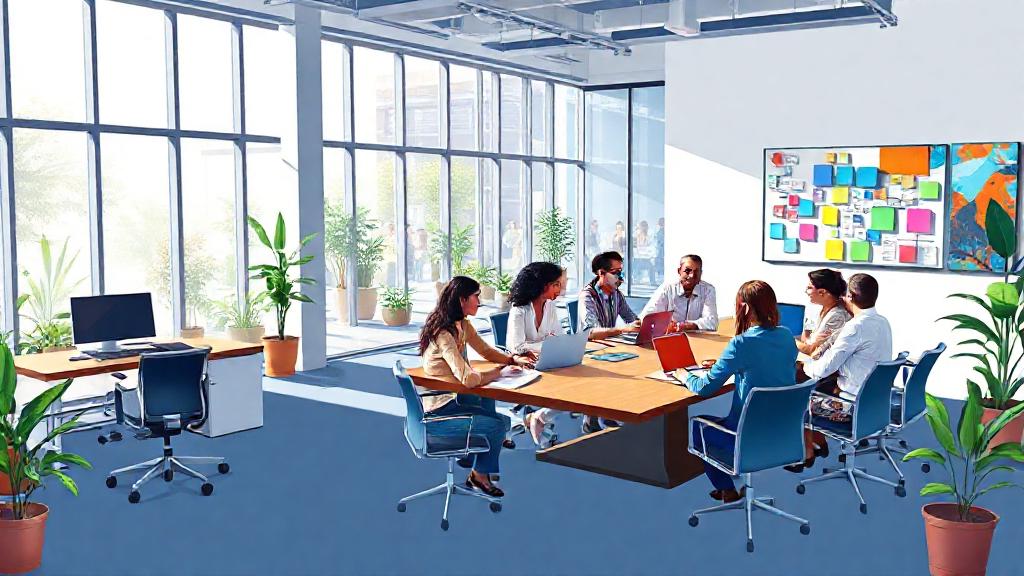
Effective space management is not just about rearranging furniture, but about creating an environment that fosters collaboration, innovation, and growth.
By strategically planning the workspace, companies can improve communication, increase efficiency, and boost employee morale.
This involves considering factors such as natural light, noise levels, and technology integration to create a space that supports the team’s unique needs.
Assessing Current Office Layouts To Identify Underutilized Areas And Opportunities
To effectively identify underutilized areas, it’s essential to conduct a thorough analysis of the office layout, including observing employee behavior and tracking space usage.
This can involve using tools such as space utilization software or conducting employee surveys to gather data on how different areas of the office are being used.
By taking a data-driven approach to assessing the office layout, businesses can uncover opportunities to create more efficient and effective workspaces.
Implementing Flexible Workspaces And Hot-Desking To Maximize Space Efficiency Gains
Implementing flexible workspaces and hot-desking can be a game-changer for businesses looking to maximize space efficiency gains.
By adopting a flexible workspace strategy, companies can create a dynamic and collaborative environment that fosters creativity, productivity, and innovation.
This approach allows employees to work from anywhere, at any time, and on any device, reducing the need for traditional cubicles and office layouts.
Repurposing Underutilized Areas For Collaborative Zones And Wellness Centers Successfully
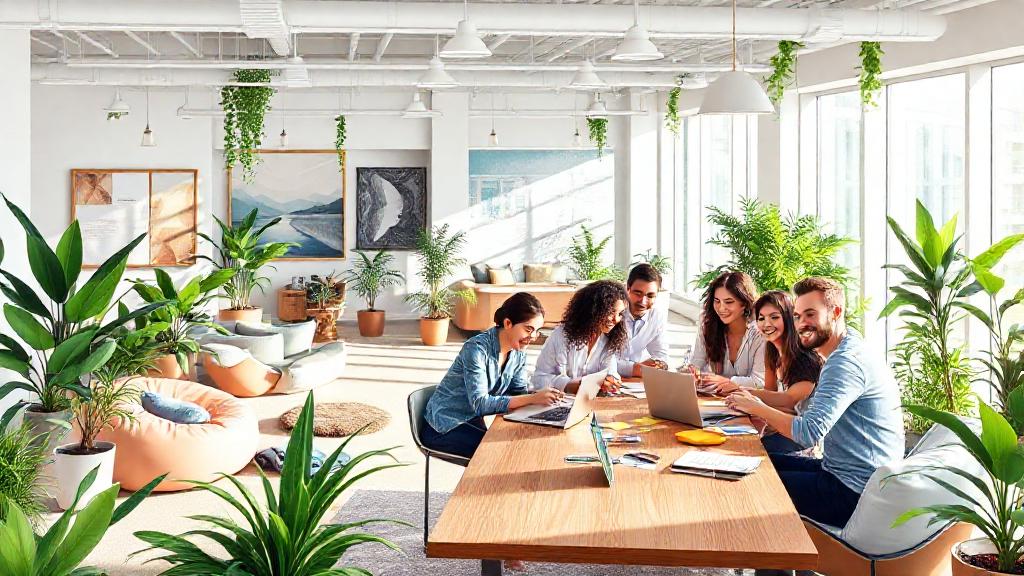
To create collaborative zones and wellness centers, consider repurposing underutilized areas such as rooftops, basements, or unused offices.
These spaces can be transformed into vibrant hubs that foster teamwork, creativity, and employee well-being.
By incorporating elements like natural light, comfortable seating, and air purification systems, companies can create an environment that supports both productivity and relaxation.
Selecting Sustainable Materials And Multi-Functional Furniture For Eco-Friendly Offices
Creating an eco-friendly office starts with intentional design choices.
- Choose materials like reclaimed wood, bamboo, and low-VOC paints to reduce environmental impact.
- Invest in multi-functional furniture pieces that serve several purposes, such as storage ottomans and desk lamps with USB ports.
- Opt for energy-efficient lighting and equipment to minimize energy consumption.
- Select furniture with recycled or recyclable components to reduce waste.
- Incorporate plants and green walls to improve air quality and promote well-being.
Encouraging Clean-Desk Policies And Providing Ample Storage For Clutter-Free Workspaces
A clutter-free workspace boosts productivity and employee morale significantly.
Clean desks and organized storage — a match made in heaven: it’s all about creating an environment that fosters focus.
Data shows employees are more efficient when their workspace is well-organized and tidy.
Designing Ergonomic And Acoustically Comfortable Workspaces For Improved Wellbeing
Contrary to popular belief, open offices are not always the most productive or healthy environments, as they can be distracting and noisy.
However, some companies have successfully implemented open offices with ergonomic and acoustic design considerations, such as sound-absorbing materials and private meeting rooms, to create a more comfortable and productive work environment.
Integrating Biophilic Design Elements And Natural Light To Enhance Office Ambiance And Productivity
The incorporation of biophilic design elements and natural light in office spaces has been shown to have a profound impact on both ambiance and productivity.
Furthermore, the integration of natural light, in particular, has been found to have a significant influence on the human circadian rhythm, regulating sleep patterns and improving overall well-being.
As we reimagine the modern workspace, the intersection of strategic layouts and sustainable materials emerges as a powerful catalyst for transformation, ultimately enhancing the well-being of occupants and the planet.
By embracing this holistic approach, organizations can unlock the full potential of their office space, fostering innovation, collaboration, and growth.
The future of work is inherently tied to the spaces we create, and as we look to the years ahead, it is clear that the thoughtful integration of design, functionality, and sustainability will be the key to unlocking a brighter, more resilient tomorrow.