
Types of interior design solutions define the visual identity, emotional atmosphere, and functional layout of any living space by guiding choices in color palettes, materials, furniture selection, and spatial arrangement. In 2026, the seven most popular styles are Modern, Contemporary, Bohemian, Minimalist, Industrial, Traditional, and Transitional. Understanding which solution fits your home’s architecture, lifestyle, and budget is the difference between a space that feels curated and one that feels accidental. This article covers the full spectrum of design approaches, from foundational styles to budget-friendly refresh tactics.
1. What are the main types of interior design solutions today?
Interior design solutions span a wide spectrum of recognized styles, each with distinct visual principles, material preferences, and spatial logic. Knowing the differences prevents costly mismatches between furniture, finishes, and the home’s existing character.
- Modern: Rooted in the early 20th-century Modernist movement, Modern design follows the principle of “form follows function.” Clean lines, neutral palettes, and uncluttered surfaces define it. It does not change with seasonal trends.
- Contemporary: Unlike Modern, Contemporary design evolves with current trends each season. In 2026, it incorporates warm minimalism and organic modern elements, tonal neutral palettes, and biophilic touches like indoor plants and natural stone.
- Traditional: Characterized by symmetry, rich wood tones, ornate molding, and layered textiles. Traditional interior solutions suit older homes with formal architectural features and appeal to homeowners who prioritize timeless elegance over trend cycles.
- Transitional: A deliberate blend of Traditional and Contemporary, Transitional design uses clean-lined furniture with warm finishes and subtle ornamentation. It suits most standard residential builds and is one of the most versatile solutions available.
- Minimalist: Minimalist interior themes operate on the principle that every object in a room must earn its place. Storage is concealed, color palettes are monochromatic or near-monochromatic, and negative space is treated as a design element in itself.
- Bohemian: Layered textiles, global patterns, vintage furniture, and saturated color define Bohemian interiors. It is the most personalized of all styles and rewards collectors and travelers who want their home to reflect accumulated experiences.
- Industrial: Exposed brick, raw concrete, steel fixtures, and open ductwork are the hallmarks of Industrial design. It requires specific architectural conditions to feel authentic rather than forced.
- Mid-Century Modern: Popularized between the 1940s and 1960s, this style features tapered furniture legs, organic shapes, and a warm palette of mustard, teal, and walnut. Brands like Herman Miller and Knoll still produce iconic pieces in this tradition.
- Scandinavian: Functionality, natural light, and restrained ornamentation define Scandinavian design. White walls, light wood, and wool textiles create calm, livable spaces suited to both urban apartments and suburban homes.
- Japandi: A fusion of Japanese wabi-sabi and Scandinavian hygge principles, Japandi combines muted earth tones, handcrafted ceramics, and low-profile furniture. It is one of the fastest-growing residential styles in 2026.
- Art Deco: Bold geometric patterns, lacquered surfaces, and metallic accents characterize Art Deco. It works best in larger rooms with high ceilings and suits homeowners who want drama and formality.
- Hollywood Glam: An amplified version of Art Deco, Hollywood Glam incorporates mirrored furniture, velvet upholstery, and crystal lighting. It demands strong architectural bones to avoid feeling excessive.
- Farmhouse and Rustic: Shiplap walls, reclaimed wood, and matte black hardware define Farmhouse style, popularized widely by Joanna Gaines and the Magnolia brand. Rustic solutions lean further into raw, unfinished materials and suit country or semi-rural properties.
Pro Tip: Use a style quiz tool like Decorilla’s online assessment before purchasing a single piece of furniture. Identifying your dominant style first prevents expensive impulse buys that disrupt visual cohesion.
2. How mixing different interior design styles enhances your home

Style blending is not a compromise. It is a deliberate design strategy that produces more personalized and livable spaces than any single style applied rigidly. The key is understanding which styles share foundational principles and which ones actively conflict.
The 70/30 rule
The 70/30 rule is the most reliable framework for mixing styles. One style dominates 70% of the space, establishing the foundational mood through furniture, wall color, and flooring. The secondary style occupies 30%, introduced through accent pieces, textiles, and decorative objects. This ratio creates personality without visual chaos.
Blends that work
Scandinavian and Japandi share a commitment to simplicity, natural materials, and restrained ornamentation. Shared design principles like these make the two styles nearly seamless when combined. Modern and Bohemian also blend effectively when the Modern framework provides structure and Bohemian elements are introduced through rugs, cushions, and art rather than furniture forms.
Blends to avoid
Art Deco and Minimalism represent opposing philosophies. Art Deco celebrates ornamentation and opulence; Minimalism eliminates everything non-functional. Mixing them produces visual tension that reads as indecision rather than creativity. Similarly, Hollywood Glam and Industrial clash because their material languages, mirrored lacquer versus raw concrete, communicate entirely different spatial values.
How architecture shapes blending choices
A home’s existing architectural elements set hard boundaries on which blends feel authentic. Crown molding and paneled doors favor Traditional or Transitional as the dominant style. Exposed structural beams and concrete floors support Industrial or Modern as the base. Architectural planning that accounts for these fixed elements before selecting a style blend produces more cohesive results.
Pro Tip: When blending styles, select one shared material to anchor both. If your dominant style uses oak wood and your accent style also incorporates natural wood tones, the two styles will read as intentional rather than mismatched.
3. What low-cost interior design solutions can refresh your space
Budget-friendly design does not require renovation. Lighting, textiles, and furniture rearrangement can transform a room in under four hours with minimal expense. These are the most effective low-cost tactics available in 2026.
- Switch to warm-toned bulbs. Replacing cool white LEDs with 2700K to 3000K warm-toned bulbs immediately shifts a room’s atmosphere from clinical to inviting. Layer multiple light sources, including floor lamps, table lamps, and under-cabinet strips, rather than relying on a single overhead fixture.
- Layer textiles strategically. Coordinating throw pillows and blankets in two to three complementary patterns add depth without structural changes. The rule of thumb is one solid, one geometric, and one organic pattern per seating area.
- Float your furniture. Pulling furniture away from walls improves conversational grouping and makes rooms feel larger. The most common layout mistake is pushing every piece against the perimeter, which creates a waiting-room effect rather than a living space.
- Use mirrors to expand perceived space. A large mirror placed opposite a window can visually double the depth of a room. Horizontal paint lines drawn one-third up the wall with a quarter-inch brush manipulate ceiling height perception, making low ceilings appear taller.
- Introduce biophilic elements. Potted plants, dried botanicals, and natural fiber baskets connect interiors to organic forms without significant cost. Biophilic design is a defining characteristic of the organic modern trend dominating 2026 home styling.
4. Which interior design solutions align with different home architectures
Matching a design style to a home’s architectural character is the factor most often overlooked by homeowners. Architecture profoundly shapes which interior styles feel authentic and which feel imposed.
| Architectural type | Best-fit design solutions | Why it works |
|---|---|---|
| High ceilings, exposed brick, open plan | Industrial, Loft Modern | Structural features support raw material aesthetics |
| Standard suburban build, neutral finishes | Scandinavian, Transitional, Minimalist | Versatile styles that do not require specific architectural features |
| Older home with ornate molding, paneling | Traditional, Farmhouse, Art Deco | Existing detailing reinforces formal or heritage-style interiors |
| Country or semi-rural property | Farmhouse, Rustic, Bohemian | Natural surroundings complement organic and reclaimed material palettes |
| Compact urban apartment | Japandi, Minimalist, Scandinavian | Space-efficient principles maximize limited square footage |
Industrial design, in particular, requires structural features like high ceilings and exposed brick to function as intended. Applying Industrial finishes to a standard low-ceiling apartment produces a space that feels dark and unfinished rather than architecturally expressive. Scandinavian and Transitional solutions, by contrast, are compatible with most standard builds because their principles do not depend on specific structural conditions.
For Singapore developers and property owners working within HDB or condominium constraints, understanding how unit layout, ceiling height, and window placement interact with style choices is critical. Aectechnicalsg’s interior design consultancy guide addresses these architectural compatibility questions in the context of local residential builds.
Farmhouse and Rustic solutions connect most naturally with older or country-style architectures where reclaimed timber, stone flooring, and pitched rooflines already exist. Attempting these styles in a glass-and-steel high-rise requires significant material investment to overcome the architectural contradiction. Room proportions, window sizes, and ceiling treatments all influence which solution will feel resolved rather than forced.
Key takeaways
The most effective interior design solution is one that aligns with the home’s architecture, the occupant’s lifestyle, and a clearly defined dominant style supported by the 70/30 blending rule.
| Point | Details |
|---|---|
| Style clarity before purchasing | Identify your dominant style first to avoid costly furniture mismatches. |
| 70/30 blending rule | Let one style lead 70% of the space; use accent styles for the remaining 30%. |
| Architecture sets the boundary | Match design solutions to structural features like ceiling height and existing molding. |
| Low-cost refreshes work | Lighting, mirrors, floating furniture, and textiles transform spaces without renovation. |
| Shared principles enable blending | Combine styles that share material language or spatial values, such as Japandi and Scandinavian. |
Why emotional resonance matters more than trend alignment
The most persistent mistake I see homeowners make is selecting a design style because it photographs well rather than because it supports how they actually live. A Minimalist interior looks exceptional in a magazine spread. It is considerably less functional for a family with young children, a home office, and a collection of books accumulated over twenty years. Design should serve the occupant first and the aesthetic second.
The emotional atmosphere a space creates is the most reliable guide to style selection. If calm and focus are the priority, Japandi or Scandinavian solutions deliver that through restraint and natural material warmth. If energy and self-expression matter more, Bohemian or Mid-Century Modern interiors reward that preference. Choosing based on feeling rather than trend produces spaces that remain satisfying long after the trend cycle has moved on.
Style blending, when done with discipline, produces the most livable results. The 70/30 rule is not a rigid formula but a useful constraint that prevents the visual noise of equal-weight competing styles. Small, deliberate additions of a secondary style, a Japandi ceramic on a Scandinavian shelf, a Bohemian rug in a Modern living room, accumulate into a space that feels genuinely personal rather than catalog-sourced. The homes that age best are those built on clear principles with room for personality.
— Aman
How Aectechnicalsg supports your design and architectural goals
Aectechnicalsg provides engineering and architectural consultancy services for Singapore developers, property owners, and construction firms who need technical expertise aligned with design intent. When interior design solutions require structural modifications, such as removing walls for open-plan layouts, adding loft spaces, or reconfiguring M&E systems to support lighting design, professional consultancy prevents compliance failures and costly rework.
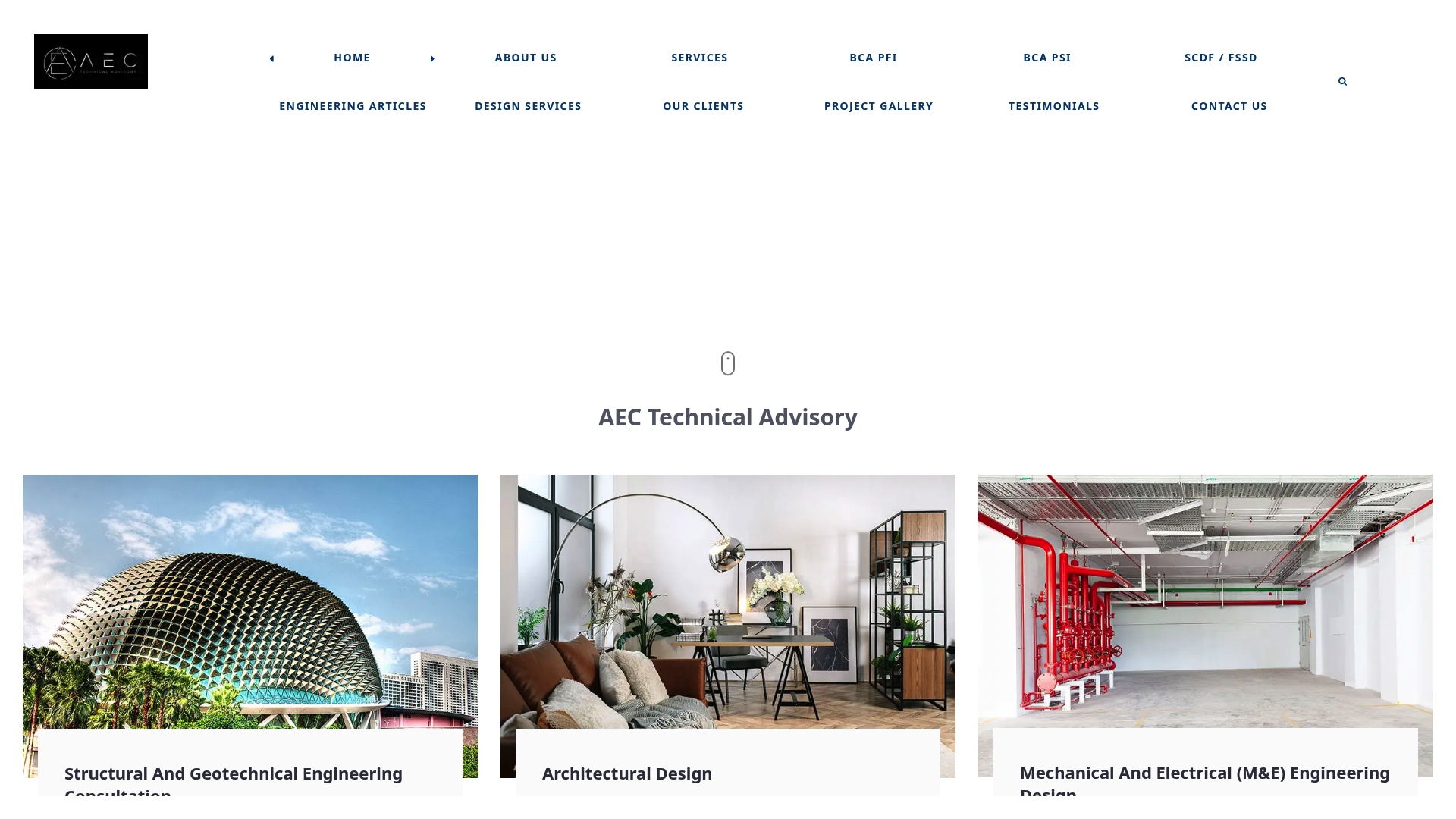
Aectechnicalsg’s engineering consultancy services cover structural, geotechnical, and M&E engineering alongside architectural planning, giving developers and homeowners a single point of technical accountability. For projects where interior design ambitions intersect with structural or regulatory requirements, combining architectural intelligence with qualified engineering oversight produces results that are both aesthetically resolved and fully compliant with Singapore’s BCA and URA requirements.
FAQ
What are the most popular interior design styles in 2026?
The seven most recognized styles in 2026 are Modern, Contemporary, Bohemian, Minimalist, Industrial, Traditional, and Transitional. Warm minimalism, Japandi, and organic modern are the fastest-growing emerging directions.
What is the difference between Modern and Contemporary design?
Modern design refers to a fixed historical movement emphasizing “form follows function,” while Contemporary design evolves with current seasonal trends and is not tied to a specific era.
How do you mix two interior design styles without visual conflict?
Apply the 70/30 rule: let one style dominate 70% of the space through furniture and finishes, and introduce the secondary style through accent pieces. Styles that share a material language or spatial philosophy, such as Scandinavian and Japandi, blend most successfully.
Can low-cost changes make a significant difference to a room’s design?
Lighting updates, textile layering, floating furniture away from walls, and strategic mirror placement can transform a room in under four hours without structural work or significant expense.
Does home architecture limit which interior design styles work?
Architecture sets real constraints on style compatibility. Industrial design requires high ceilings and exposed structural features to feel authentic, while Scandinavian and Transitional solutions work across most standard residential builds regardless of architectural specifics.