
PE Endorsement for Lab Test Reports for Infrastructure Works: What Contractors Must Submit to the PE (Singapore Checklist)
Introduction
PE endorsement for laboratory test reports in Singapore infrastructure works is the formal step where a registered professional engineer reviews, accepts, and certifies that lab test results prove the built works meet design and code requirements. This article explains what contractors must submit to the PE to obtain that endorsement for infrastructure projects: roads, bridges, sewers, MRT-related structures, and works under LTA, BCA, PUB, JTC, or NParks contracts.
The scope here covers civil and structural engineering and geotechnical infrastructure: concrete, steel reinforcement, soil, asphalt, pile tests, and excavation support systems. It does not cover building fit-outs, mechanical and electrical systems, or pure architectural submissions. The target readers are main contractors, specialist sub-contractors, project engineers, QS professionals, and property owners or developers who need to obtain approval from the building and construction authority (BCA), LTA, PUB, or SCDF for infrastructure construction projects.
The direct answer: contractors must compile a comprehensive transmittal package for laboratory test reports, including complete lab reports from SAC-SINGLAS accredited facilities, traceable sampling records, calibration certificates, construction records linking tests to built structural elements, and documented non-conformance close-outs. Documentation must establish complete traceability and compliance with project specifications. Without these, the PE cannot endorse.
What you will learn from this article:
- The essential documents every submission package must contain
- Minimum data requirements inside each lab test report
- Submission workflow, timing, and realistic PE review durations
- The five most common mistakes that cause rejection and how to prevent them
- A ready-to-use contractor checklist for site engineers and QA staff
AEC Technical Advisory supports contractors by reviewing lab documentation, coordinating with accredited labs, and issuing PE endorsements required for authority submissions across Singapore’s built environment. The article is structured as a practical checklist; key steps include suggested placement for diagrams, sample report images, and flow visuals that project teams can adapt for site use.
Understanding PE Endorsement of Lab Test Reports for Infrastructure Works
When a professional engineer PE endorses lab test reports for infrastructure works, they certify that the test results are valid, representative of the installed works, and adequate to demonstrate compliance with design assumptions, contract specifications, and statutory codes. A PE endorsement carries personal liability for the engineer under Singapore’s Building Control Act and the Professional Engineers Act. PE endorsements ensure compliance with the Building Control Act, and only registered Professional Engineers can provide PE endorsements.
Authorities, asset owners, and funding agencies require PE-endorsed test reports for structural elements that are safety-critical: structural concrete in bridge piers and deck slabs, deep foundations, ERSS (earth retaining and stabilising structures), pavement layers, welded steelwork, and pre-stressing operations. PE endorsement covers the engineering judgement that test frequency, sampling location, chain of evidence, and any remedial actions have been properly addressed. PEs accept legal responsibility for structural assessments tied to these results.
Key concepts:
- PE endorsement is not a rubber stamp; the PE must hold a valid Practising Certificate issued annually by the professional engineers board (PEB)
- A Professional Engineer (PE) is registered with the PEB and carries professional responsibility and professional accountability for every report they sign
- Endorsement is distinct from lab accreditation: the lab proves test competence, the PE proves engineering acceptance
- PE endorsements are required for structural modifications in Singapore and for new structural works alike
Key Types of Infrastructure Lab Tests on Structural Elements That Commonly Require PE Review
Not all lab tests carry equal weight. The PE’s review focuses on tests that affect structural safety, durability, or serviceability of permanent infrastructure works. Supporting documents vary by material type for laboratory testing; the categories below represent what most infrastructure contracts require.
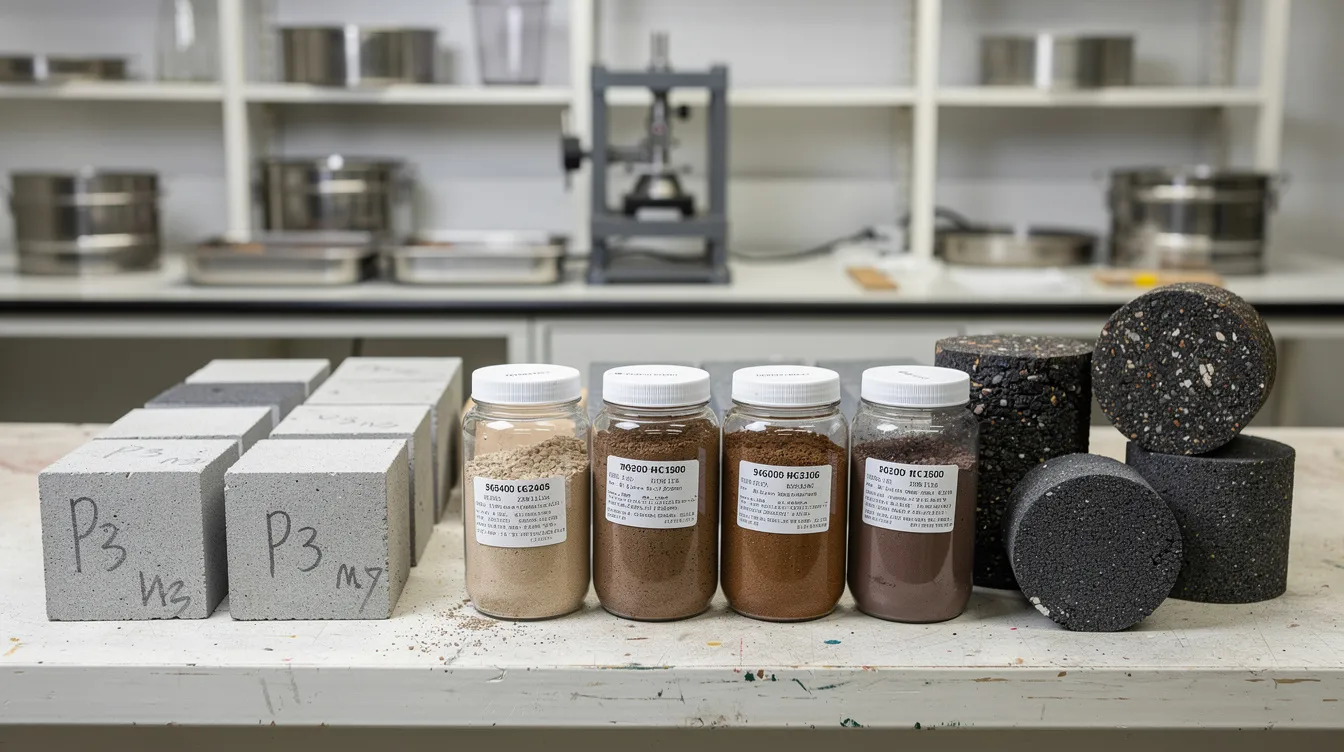
Concrete tests. Slump tests (one per truck for fresh concrete), compressive strength cubes or cylinders (one sample per 50 m³, six specimens per sample: three tested at 7 days and three at 28 days under SS EN 206 / BS EN standards), core tests for existing structure verification, and rapid chloride ion penetration tests (ASTM C1202) for marine or chloride-exposed structures. Concrete mix design details must accompany lab test results for review.
Reinforcement steel tests. Tensile strength, bend/re-bend tests, and chemical composition verification for rebars and pre-stressing strands. Mill test certificates must match coil numbers and batch records on site. A&A works altering structural members need PE endorsement when these results feed into structural submissions.
Soil and rock tests. Index properties (Atterberg limits, grain size analysis, moisture content, bulk density), triaxial, consolidation, CBR, laboratory density/moisture for embankments and backfill. For rock: Unconfined Compressive Strength (UCS) and Point Load Index (PLI). These results feed into characteristic design values that underpin geotechnical engineering decisions for foundations and retaining walls.
Asphalt and pavement tests. Marshall stability (minimum 9.0 kN per LTA specifications), flow (8–16 units of 0.254 mm), binder content, density, and air voids (3–5%). Job mix design must be approved before production begins, with material testing standards verified against LTA Roadworks specifications.
Special infrastructure tests. Weld procedure qualifications and welder certifications, grout cube tests, pile integrity and load testing reports (including PDA and static load test data with lab-based analyses), and temporary works load verification.
Roles of Contractor, Accredited Laboratory, and Professional Engineer
Three parties share distinct responsibilities in the lab testing chain. When any one fails to perform, the PE cannot endorse, and authority submissions stall.
Contractor. Arranges sampling per the Inspection & Test Plan (ITP), dispatches specimens to the lab with correct identification, maintains traceability between site works and lab results, and compiles submission packages. The contractor’s QA team pre-screens every report before it reaches the PE.
Accredited laboratory. Carries out tests in accordance with specified standards (SS, BS EN, ASTM). SAC-SINGLAS accreditation ensures that the laboratory is competent for specified test methods under ISO/IEC 17025:2017. Laboratory test reports must originate from SAC-SINGLAS accredited facilities in Singapore. The lab issues formal reports with raw data, derived values, and authorised signatures.
Professional engineer (C&S / Geotechnical / Civil). Reviews test scope and results against structural design assumptions, material specifications, and code requirements. Determines whether results are acceptable for the relevant discipline, then endorses where appropriate. Engage a qualified structural PE registered with PEB for this function, or a PE Civil where the tested works fall within civil infrastructure scope. PEs must supervise certain categories of structural works on-site, and PE endorsements carry personal liability under the Building Control Act.
Poor coordination causes delays: missing calibration certificates, unclear sample IDs that cannot be matched to structural drawings, or reports without raw data force the PE to refuse endorsement. The result is postponed permits, delayed TOP/CSC, or stalled LTA and PUB clearances.
The next section translates these roles into a concrete submission checklist.
What Contractors Must Submit to the PE: Core Documentation Checklist
This section is the core answer. It provides a step-by-step checklist of the documents contractors should prepare before requesting PE endorsement of lab test reports. Following this checklist reduces repeated queries from the PE and speeds up approvals for time-critical milestones: opening of carriageways, casting of the next structural level, strut removal, or handover.
Each subsection below is structured as a bullet-based list for use on site. Items marked with ✅ are mandatory for every submission; items marked with ➕ are supporting documents the PE may request depending on project complexity.
1. Contract and Specification References
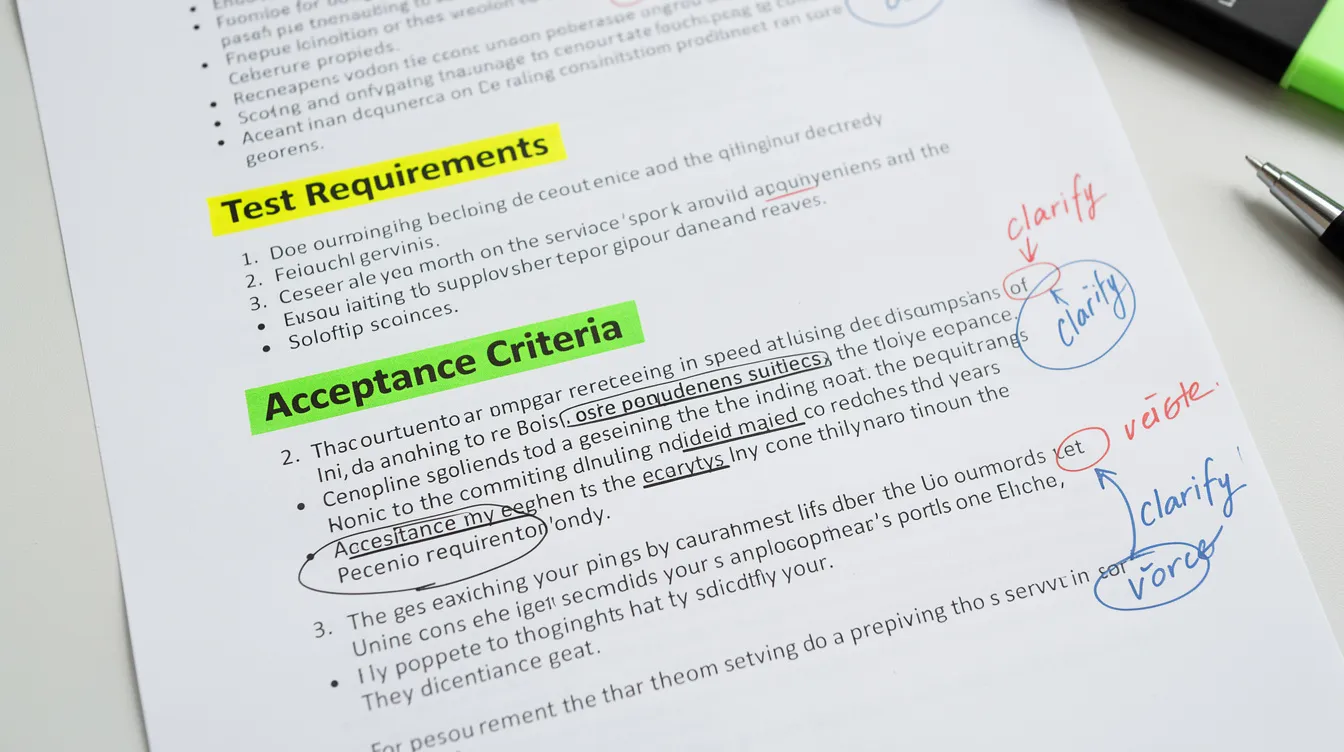
The PE needs to verify required test standards and acceptance criteria before reviewing any lab data. Contractors should provide:
- ✅ Relevant contract specification extracts for materials and workmanship (e.g. LTA Civil Design Criteria, PUB Code of Practice for Sewerage Works, BCA structural codes, project-specific technical specifications)
- ✅ Applicable structural drawings and typical details showing where tested materials are used: slab, beam, pier, pile, road layer, retaining wall, culvert
- ✅ Structural plans submitted to the PE should be the latest approved or coordinated versions relevant to the tested works
- ✅ Design assumptions or schedules: characteristic concrete strength fck, design CBR, design asphalt stiffness, minimum rebar grade, structural design parameters
- ➕ Project-specific testing requirements or method statements approved by the qualified person QP, Superintending Officer, or Resident Engineer/RTO
- ➕ Approved plans and building plans that relate to structural submissions for the tested elements
Keep this documentation in a shared folder accessible to the PE throughout the project. One submission at the start, updated when design changes occur, prevents repeated requests.
2. Complete Lab Test Reports from Accredited Laboratories
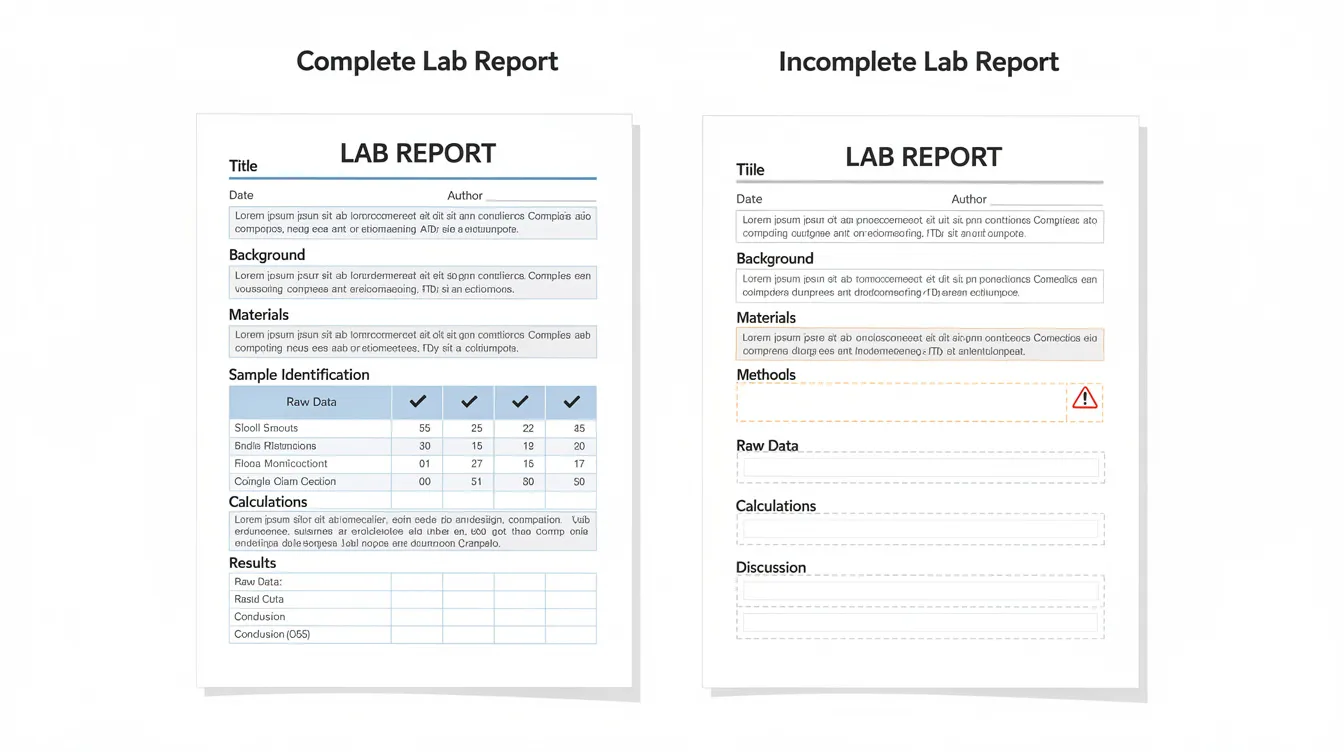
Every lab report submitted for PE review must contain the following minimum data:
- ✅ Testing laboratory name, ISO/IEC 17025 accreditation number, and SAC-SINGLAS logo; issue date and unique report reference number
- ✅ Test standard(s) used (e.g. SS 544, BS EN 12390, BS 1377, ASTM D698)
- ✅ Sample identification matching site locations: chainage, gridlines, pier number, borehole ID, lift number, lot number
- ✅ Test dates, curing conditions (for concrete), and age of specimen at test
- ✅ Raw measurements and derived values (load in kN, cross-sectional area, calculated compressive strength, moisture content percentages); not just pass/fail statements
- ✅ Conclusion or remark by the lab on compliance with specified limits where applicable
- ✅ Signatures or digital approvals of lab authorised personnel
Draft, unsigned, or incomplete reports should not be forwarded to the PE. Reports lacking raw data or with ambiguous sample IDs are the single most common reason for rejection. A non-destructive testing report follows the same documentation rules.
3. Sampling Records and Traceability Information
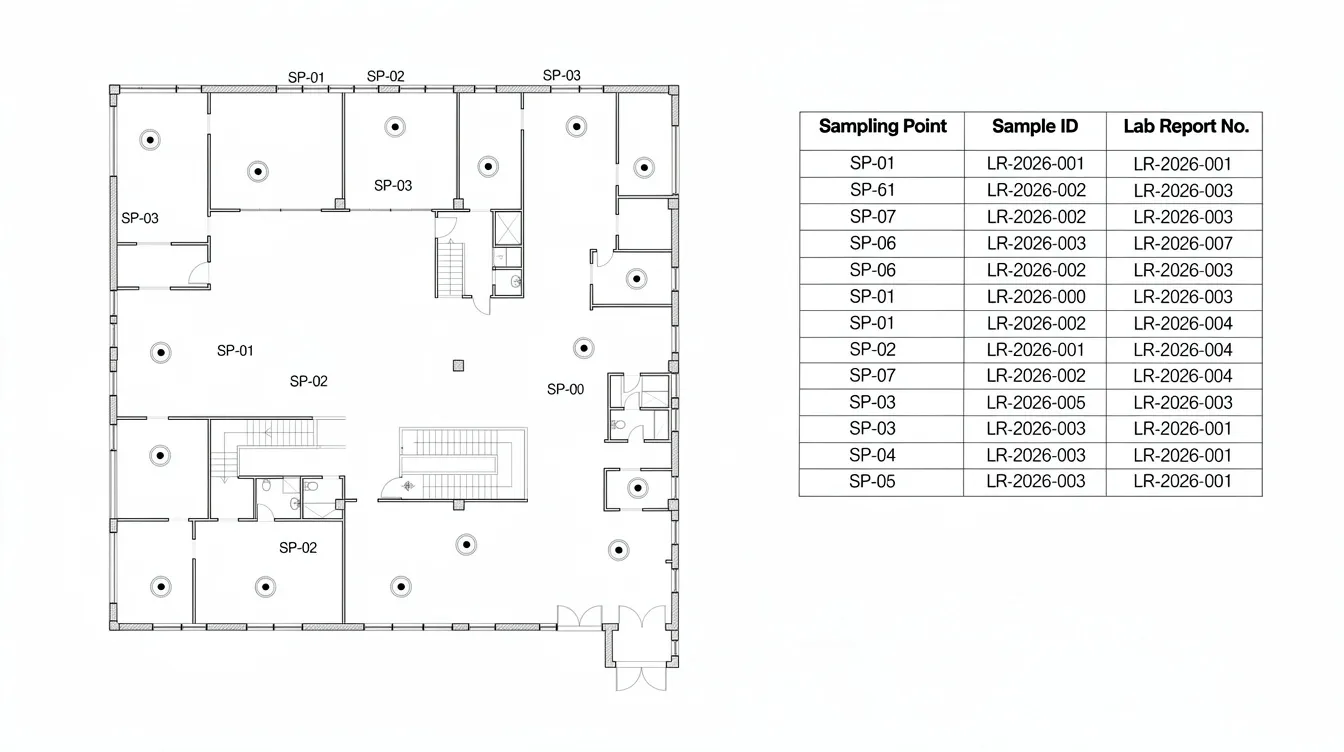
PEs must be satisfied that tested specimens genuinely represent the installed works. Without traceability, even perfect test results carry no value for structural integrity verification.
Supporting records to accompany lab reports:
- ✅ Sampling logs showing date, time, location, element reference (e.g. Pier P3 pile cap, Chainage 12+450 wearing course), and batch numbers
- ✅ Delivery forms or chain-of-custody records from site to lab, including courier details where relevant
- ✅ Concrete delivery tickets with mix ID, truck number, batching time, and supplier name for each cube/cylinder set
- ➕ Soil or asphalt sampling sketches or photos showing extraction locations and depths; useful for common soil test failures investigations
- ➕ Photo documentation of sampling activity with visible element reference markers
4. Calibration Certificates and Lab Accreditation Evidence
PEs request up-to-date calibration certificates for key equipment, particularly when results are borderline or non-conforming. Contractors should obtain from the lab:
- ✅ Current ISO/IEC 17025 accreditation schedule showing relevant test methods within the lab’s scope (check that the lab is accredited for each specific test method, not just the general category)
- ✅ Calibration certificates for compression machines, load frames, balances, ovens, and density gauges; certificates must be valid on the date of test
- ➕ Internal quality control records if tests are borderline or disputed: round-robin test participation results, control charts
LTA specifications require calibration and validation certificates with validity no longer than 12 months. These documents can be provided once per project and updated annually or when renewed, rather than with every individual test report. Using a lab without relevant SAC-SINGLAS accreditation for the specific test method used is a ground for rejection of the entire test series.
5. Construction Records Linking Tests to Built Works
The PE needs to certify that tested materials are actually in the built structural elements. This link between lab tests and as-built infrastructure is what makes endorsement meaningful for structural safety verification.
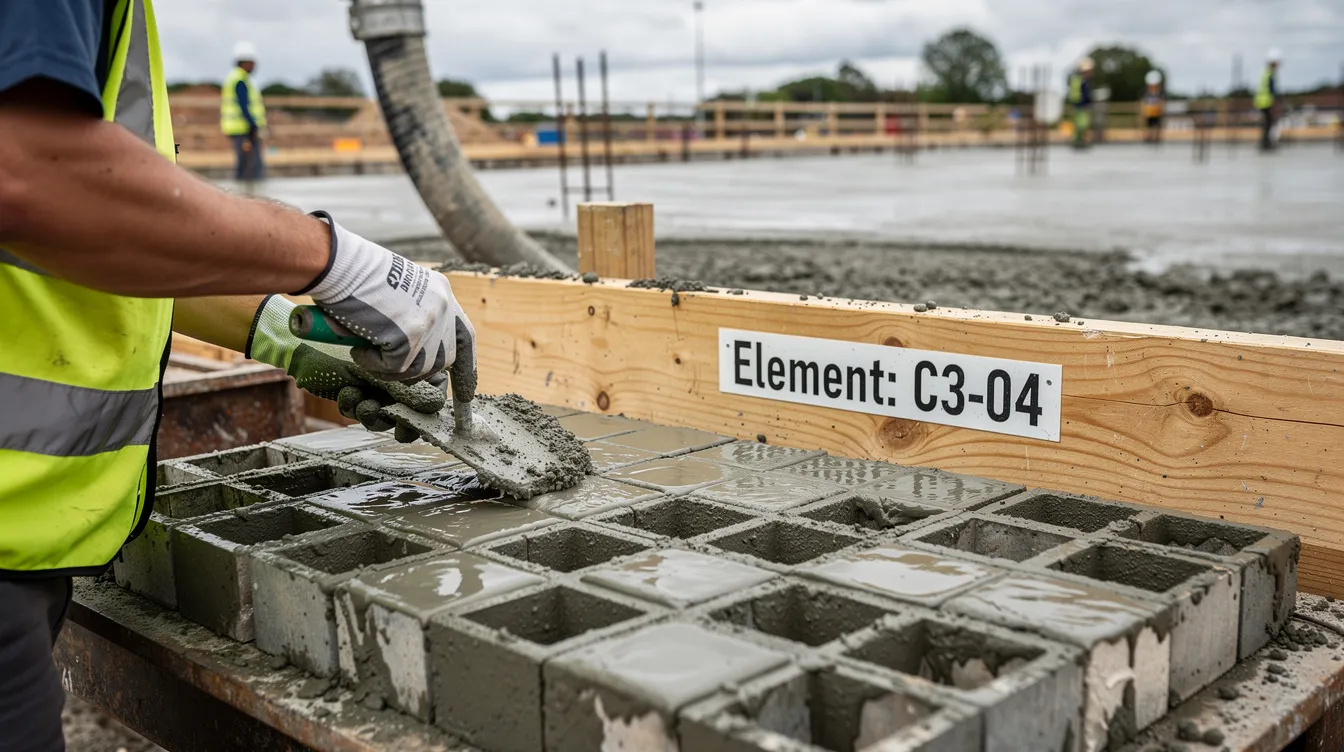
- ✅ Marked-up drawings showing where each test batch was placed or which layer/segment it represents
- ✅ Pour sequence records, cube registers, concreting checklists, or compaction records for embankments and sub-base
- ✅ As-built logs or register correlating element IDs (e.g. Pile #P-23) with associated test reports (concrete cube sets, integrity tests, rebar tests)
- ➕ Site photographs of critical pours, compaction operations, and sampling activities, labelled with dates and locations
- ➕ As built drawings where available; flag any missing as built drawings to the PE early so alternative verification can be arranged
These construction records allow the PE to assess whether test frequency and sampling locations comply with the contract and whether every load-bearing element has traceable test coverage.
6. Non-Conformance Reports (NCR), Retests, and Acceptance Justifications
The PE must be fully informed of any non-compliant test results and how they were resolved before endorsement can proceed. Hiding failed tests is grounds for the PE to withdraw support, and statutory authorities require that endorsed reports be submitted as part of QA/QC documentation including NCR closures.
Documentation required where results fail or marginally pass:
- ✅ Copies of NCRs, incident reports, and investigation findings: root cause, extent of affected works, and impact on adjacent structural members
- ✅ Retest reports (additional cubes, cores, density tests) with clear identification of which element they represent
- ✅ Engineering assessments or calculations justifying acceptance despite low or variable results (e.g. core strength correlations, over-design margins, structural assessment of remaining capacity)
- ➕ Approved remedial measures where strengthening or rectification was carried out, including drawings, material specifications for repair, and site photos
- ➕ Sign-off from the qualified person, SO/RE, and client on the remedial approach
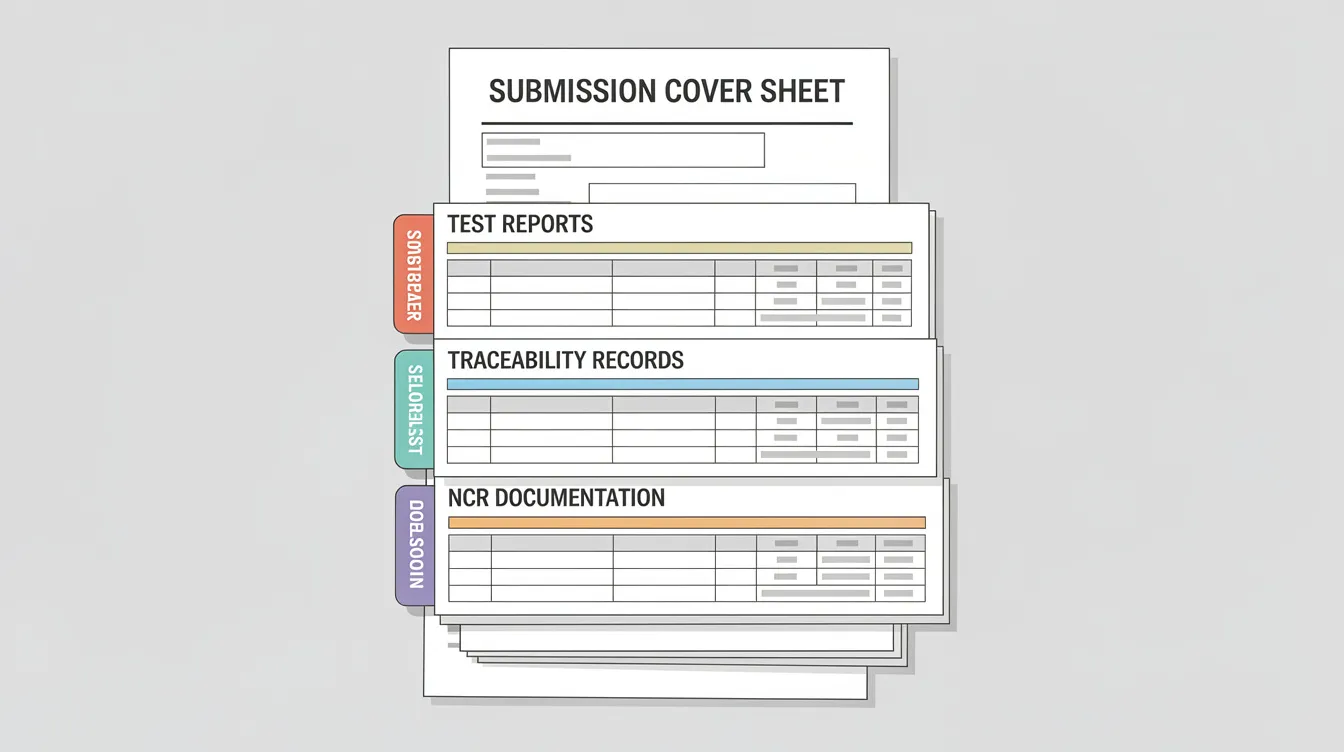
7. Summary Submission Cover Sheet or Index
Contractors should compile a concise cover sheet at the front of every submission package:
- Project name, contract number, and owner/authority (e.g. LTA Contract ER123, PUB Sewer Contract XYZ)
- Purpose of submission (e.g. PE endorsement of concrete test reports for Viaduct Pier P1–P5, March–May 2026)
- List of enclosed test reports with dates, report numbers, and corresponding structural elements
- Statement of any NCRs and their disposition (resolved/ongoing)
- Name and contact of contractor’s QA representative for queries
A well-organised cover sheet reduces PE review time by 30–50% compared to an unindexed bundle of loose reports. Building plan submissions are processed through BCA’s CORENET e-Submission system, and having a matching index structure helps downstream authority filing.
PE Review and Endorsement Workflow for Infrastructure Lab Reports
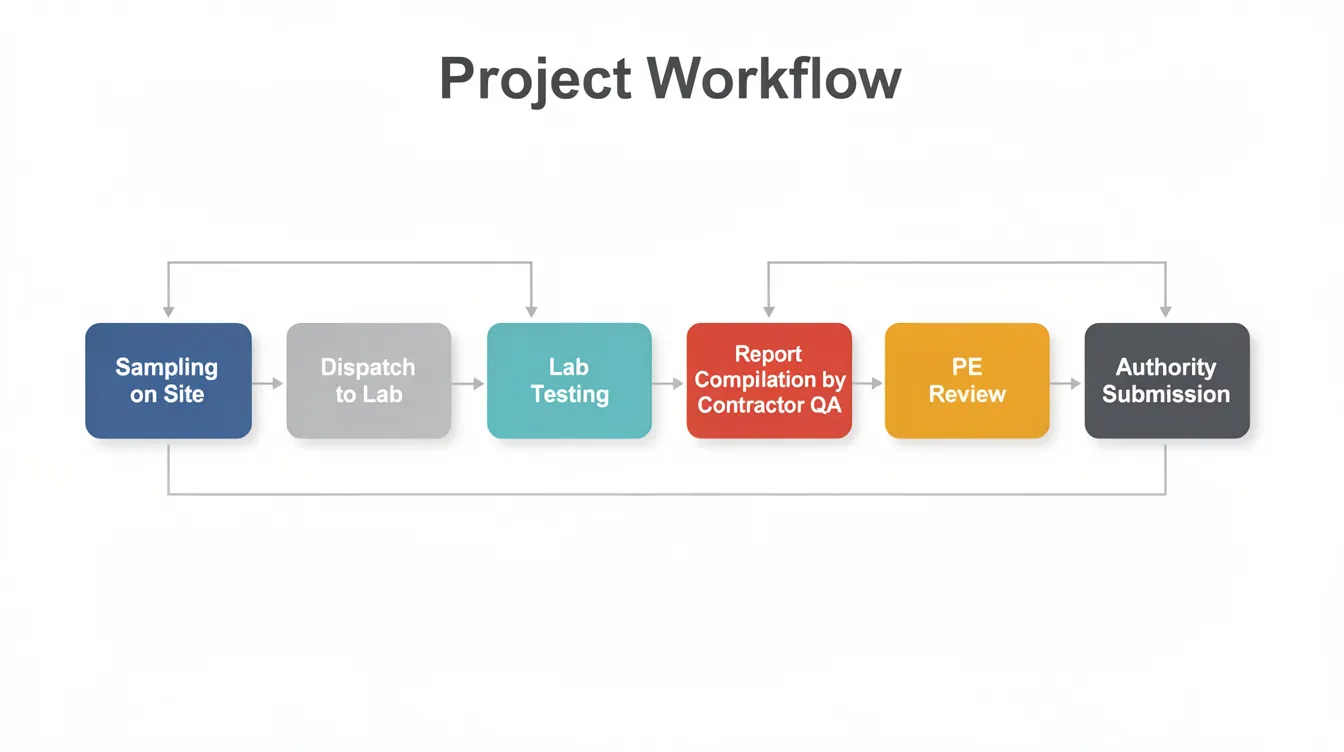
A clear workflow from testing to PE endorsement keeps contractors, RE/RTOs, labs, and the endorsing PE aligned. Disorganised submissions create bottlenecks at the worst possible time: just before road openings, strut removal, or CSC applications.
Step-by-Step Process Contractors Should Follow
- Plan the testing regime early with the PE/QP. Before works start, confirm required tests, frequency, acceptance criteria, and lab accreditation expectations. Agree on which tests will form part of formal structural submissions to BCA, LTA, PUB, or JTC, including the latest structural system assumptions where the submission depends on them. Review the PE endorsement checklist for the project type.
- Coordinate sampling and dispatch. Ensure site staff are trained in proper sampling procedures. Lab request forms must be fully completed with IDs matching structural drawings. For site investigations, follow BCA’s AGS(SG) data format and file naming conventions (e.g. SGO_SI_xxxx.pdf, SGO_SI_xxxx.ags).
- Receive and pre-screen lab reports. The contractor’s QA/QC team checks completeness against the checklist in Section 2, flags non-conformances, and compiles supporting records (delivery tickets, photos, NCRs) before sending anything to the PE.
- Submit a complete package to the PE. Email or shared platform submission containing cover sheet, test reports, traceability records, calibration evidence, and any NCR closure documentation. Incomplete packages are returned, adding 5–10 working days to the entire process.
- Respond to PE queries. Clarify ambiguous locations, provide missing technical documents, and arrange site inspections if required for critical items, especially where the PE must verify aspects of the structural system because drawings or as-built information are incomplete. Typical query-response cycles add 2–5 working days per round.
- PE decides and endorses. The registered PE signs/stamps either the lab reports, a summary schedule, or a technical memo confirming acceptance. For complete submissions of moderate size, expect 3–5 working days. Complex packages (large geotechnical investigation reports, asphalt mix designs with remedials, or submissions spanning multiple structural systems) take 1–2 weeks. PE endorsement typically takes two to four weeks for minor works when factoring in query resolution.
- Use endorsed documents for authority and client submissions. Forward to BCA, LTA, PUB, JTC, resident engineer, and client records. Endorsed documents become part of the permanent QA record for the same project and any future structural assessment of the existing structure.
Do not expect same-day endorsement for large batches. PEs must review raw data, cross-check traceability, and verify compliance; professional responsibility demands thoroughness over speed.
How Endorsement Is Typically Documented
PEs in Singapore use three common endorsement formats, depending on project scale and authority preferences:
Direct stamp and signature on each lab report. Used for small projects or individual high-stakes tests (e.g. pile load test, critical concrete core from a load bearing wall). Each report carries the PE’s stamp, signature, date, and PE registration number.
Endorsed summary schedule cross-referencing multiple lab reports. For large infrastructure contracts with hundreds of test reports per month, the PE issues a summary table listing report numbers, dates, elements, results, and compliance status, signed and stamped once. Authorities such as LTA commonly accept this format for roadworks and viaduct contracts.
Formal PE letter or technical report. A standalone document summarising the PE’s review, stating acceptance or conditional acceptance, and listing all referenced lab reports by number and date. This format suits complex submissions where engineering judgement is needed on borderline results or where the PE provides technical guidance on remedial approaches.
AEC Technical Advisory adapts its endorsement format to individual project requirements and authority preferences, whether the submission is to BCA, LTA, PUB, or the singapore civil defence force for fire safety works near infrastructure.
Common Challenges and How Contractors Can Avoid Rejection
Most endorsement delays stem from missing information, poor organisation, or misaligned expectations between the contractor and PE. The following problems appear repeatedly across Singapore infrastructure construction projects.
Problem 1: Incomplete or Untraceable Lab Reports
Reports arrive at the PE’s desk missing sample locations, with IDs that do not match any structural drawings, or without specification limits stated. A report that says “Sample A: 35.2 MPa, Pass” without identifying which pier, chainage, or pour it represents is unusable for PE endorsement.
Solutions:
- Standardise ID formats across drawings, cube registers, and lab request forms from day one. A format like “C12-P3-PC-001” (Contract 12, Pier 3, Pile Cap, Sample 001) removes ambiguity.
- Provide a cross-reference table whenever multiple numbering systems exist (e.g. chainage + structure ID + contractor’s internal code).
- Train site engineers and supervisors on correct form filling. A 30-minute induction session prevents months of rework.
Problem 2: Late or Batch Submissions Right Before Key Milestones
Dumping six months of test reports on the PE one week before road opening or strut removal creates an impossible review timeline. Structural works without PE endorsement can incur fines up to S$200,000 under the building control act, so the pressure to rush is real; but rushing leads to errors.
Contractors who submit test reports on a rolling basis (monthly or by work section) spread the PE’s review load evenly. Agree on a cut-off date and review window with the PE at least four weeks ahead of critical programme dates. Use a simple tracking spreadsheet to monitor which tests have been endorsed and which remain outstanding. A stop work order can be issued by BCA for unauthorized works, and unendorsed test documentation can trigger exactly that.
Problem 3: Non-Conforming Results Not Properly Addressed
Some contractors ignore failed tests, submit only passing results, or propose ad-hoc remedies without PE involvement. When the PE discovers omitted failures during cross-checking (e.g. cube register shows six tests for an element but only five reports are submitted), endorsement stops.
The correct path: immediately notify the PE and SO/RE when critical tests fail. Follow a documented NCR process covering investigation, extent mapping, retests, and structural assessment. Implement agreed remedial works and document them with photos, calculations, and sign-offs before requesting final endorsement. Fines for non-compliance can reach up to S$200,000, and reinstatement costs can run into tens of thousands of dollars. Property owners face personal liability for unauthorized works where structural integrity is compromised.
Problem 4: Using Non-Accredited Labs or Out-of-Date Calibration
Authorities and PEs reject entire test series when the testing lab lacks SAC-SINGLAS accreditation for the specific test method, or when calibration certificates have expired. A lab accredited for aggregate grading but not for permeability testing cannot issue valid permeability reports, even if it has the equipment.
Check ISO/IEC 17025 accreditation status and scope before appointing a testing lab. Keep copies of accreditation schedules and calibration certificates on file and verify expiry dates against test dates. For specialist tests such as PDA analysis, thermal integrity, or soil bearing capacity verification, confirm the provider is recognised under the project’s specifications. HDB Standard Specifications (2012), for example, require test reports to be original or certified true copies from SAC-SINGLAS laboratories, not older than 3 months from submission date.
Problem 5: Misalignment Between Design Assumptions and Test Programme
Cases arise where test frequency, type, or location is insufficient for the risk level. No CBR tests in critical road sections. No sulfate resistance tests in aggressive soil conditions. No chloride penetration tests for a marine-exposed bridge deck. The PE discovers these gaps during review and cannot endorse because the structural design assumptions have not been validated.
Review the testing schedule with the PE and designer before start of major works. When engineering design changes occur (thicker slabs, higher traffic category, changed foundation type, revised load paths), adjust test regimes accordingly. Document any agreed reductions in testing with written prior approval from the PE/QP and client. A QP design consultation scope checklist can help catch these gaps at the planning stage.
Conclusion and Practical Next Steps for Contractors
PE endorsement of lab test reports for infrastructure works rests on complete, traceable, and compliant documentation. The quality of a contractor’s submission package determines whether endorsement takes days or months. Preparation is within the contractor’s control.
Key takeaways:
- Plan the testing regime with the PE early, before results start arriving; agree on test types, frequency, and acceptable labs
- Maintain traceability from site sampling to lab report to as built drawings and construction records
- Address non-conformances openly with documented engineering assessments and remedial close-outs
- Use the standardised checklist in this article for every submission to the PE
Immediate next steps:
- Audit your current project’s testing and documentation practices against the checklist below
- Organise historical lab reports into clearly indexed submission packages by structure or work section
- Schedule a review session with your PE (or AEC Technical Advisory) to agree on expectations for upcoming milestones
- Verify that all appointed labs hold current SAC-SINGLAS accreditation for every test method your project requires
AEC Technical Advisory reviews existing documentation, proposes improvements to quality assurance workflows, and provides ongoing PE endorsement and authority submission support for Singapore infrastructure projects. Typical PE endorsement fees range from S$1,500 to S$5,000 for residential-scale works; mid-size building structural design endorsements range from S$10,000 to S$50,000; and foundation submissions typically cost between S$3,000 and S$15,000, depending on scope and complexity.
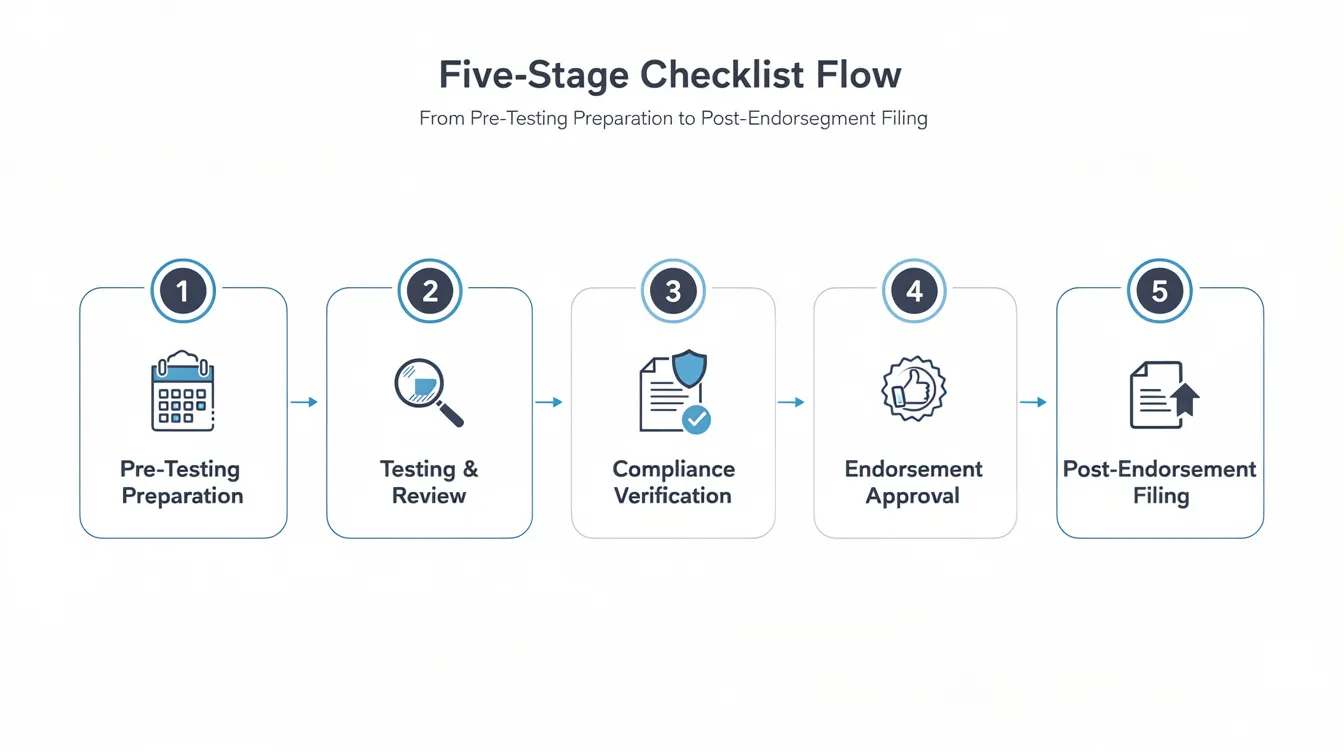
Contractor’s Quick-Reference Checklist for PE Endorsement
This condensed checklist is designed for site engineers and QA staff to verify before sending any lab test reports to the PE. Print it, laminate it, and keep it in the site office.
Before Testing
- ☐ Test schedule agreed with PE/QP and reflected in the Inspection & Test Plan (ITP)
- ☐ Approved specifications, project plans, and structural drawings on file and accessible to QA staff
- ☐ Accredited lab appointed; accreditation schedule and calibration certificates obtained and verified against required test methods
- ☐ Local regulations and engineering standards reviewed for any project-specific testing requirements
During Sampling
- ☐ Consistent sample IDs matching drawings and cube registers (format agreed project-wide)
- ☐ Sampling logs completed with date, time, weather conditions, and precise location/element reference
- ☐ Photos taken for critical elements, disputed areas, and all sampling activities at load bearing walls, shear walls, or other safety-critical structural members
- ☐ Chain-of-custody forms completed for transport from site to lab
When Lab Reports Arrive
- ☐ Report includes lab name, SAC-SINGLAS accreditation number, test standard used, dates, raw data, derived values, and conclusions
- ☐ All results checked against specified limits by contractor’s QA/QC team
- ☐ NCRs raised and investigations started for any failures or anomalous results
- ☐ Reports cross-checked against cube registers or sampling logs for consistency in specimen count and element identification
Before Submitting to PE
- ☐ Cover sheet / index prepared summarising reports, locations, and purpose of endorsement
- ☐ Traceability documents attached (delivery tickets, sampling records, as-built mark-ups)
- ☐ Calibration certificates included or confirmed on file with the PE
- ☐ NCR closure documents and remedial designs included where applicable
- ☐ Submission bundle clearly named and shared via agreed channel (email / portal / CORENET where required)
After Endorsement
- ☐ Signed reports or PE letters filed under project QA records
- ☐ Endorsed documents forwarded to SO/RE and authorities as required for authority submissions
- ☐ Outstanding issues or conditions noted in PE endorsement tracked to closure
- ☐ Insurance claims and warranty documentation updated where structural behavior verification was conditional
Frequently Asked Questions about PE Endorsement of Lab Test Reports for Infrastructure Works and the Building Control Act
These FAQs address common practical questions from contractors in Singapore about lab tests, registered PE requirements, and authority expectations. Answers refer back to the main checklist sections where appropriate.
Do all lab test reports on a project need PE endorsement?
Not necessarily. Tests relied upon to demonstrate structural or geotechnical compliance, or those required by authority/contract for formal submissions, need endorsement. Routine in-house QC checks (e.g. daily slump checks not forming part of the official record) typically do not. Confirm with the qualified person and PE which tests will form part of formal submissions to BCA, LTA, PUB, JTC, or the SO. When in doubt, include the test in the submission package; it is faster to exclude a report than to source one that was never sent.
Can the testing laboratory’s stamp replace a PE endorsement?
No. Lab accreditation under SAC-SINGLAS proves the lab’s competence to perform specified test methods accurately. Only a licensed professional engineer registered with the professional engineers board, holding a valid Practising Certificate, can take engineering responsibility for accepting results in a design and statutory context. Lab stamps do not satisfy PE endorsement requirements under the Professional Engineers Act or building control act. The lab certifies the test was done correctly; the registered PE certifies the result is acceptable for the built works.
How long does PE review of lab test reports usually take?
For small, complete submissions (e.g. 10–20 test reports with all traceability documents), expect 3–5 working days. Large or problematic sets (100+ reports, multiple NCRs, complex geotechnical packages) can take 1–2 weeks or longer. PE endorsement typically takes two to four weeks for minor works when factoring in one or two rounds of queries. The single most effective way to shorten review time is to submit complete packages; every missing document adds a query-response cycle of 2–5 working days.
What happens if some test results do not meet specification?
The contractor raises an NCR, investigates root cause, carries out retests or additional tests (e.g. concrete cores from the existing structure), performs an engineering assessment of remaining capacity, and implements documented remedial works where needed. The PE reviews the entire package: original failed result, investigation, retest data, structural assessment, and remedial close-out. Only then can endorsement proceed. AEC Technical Advisory assists with these engineering assessments and advises on whether works can remain in place or require rectification, providing the structural assessment and PE endorsement services together.
Can AEC Technical Advisory help organise our testing and documentation from the start?
Yes. AEC Technical Advisory provides PE services including:
- Setting up project-specific test plans and documentation templates aligned to BCA, LTA, or PUB requirements
- Reviewing lab partners and accreditation scope before contract award
- Providing ongoing PE review and endorsement of test reports throughout the infrastructure project lifecycle
- Supporting construction compliance workflows and authority clearance submissions
Contact AEC Technical Advisory with sample reports or testing queries for an initial discussion. Early engagement prevents the documentation gaps that cause rejection at critical milestones.