
What Does PSI for a Factory Check For? (Singapore Periodic Structural Inspection Guide)
Introduction
PSI for a factory in Singapore refers to the Periodic Structural Inspection mandated by BCA under Section 28 of the Building Control Act (Cap. 29). It checks the structural safety and condition of load-bearing elements such as slabs, beams, columns, roofs, and crane beams, confirming whether the building remains safe for continued industrial use. This is not a pre shipment inspection for newly manufactured products, nor does it relate to air pressure measured in pounds per square inch. It is a structural health check led by a registered Professional Engineer.
This guide focuses on industrial and factory buildings in Singapore: B1/B2 flatted factories, warehouses, JTC-leased sites, process plants, and similar premises used for industrial purposes. The intended audience is factory owners, long-term lessees, facility managers, safety officers, and project engineers responsible for ensuring compliance with BCA’s statutory requirements. Non-residential buildings must undergo PSI every 5 years once the building reaches 13 years of age from its Temporary Occupation Permit (TOP) or Certificate of Statutory Completion (CSC). Missing or delaying PSI can result in fines up to SGD 20,000 for owners and SGD 50,000 for engineers under Section 28.
Here is what this article covers:
- The structural elements, defect types, and risk areas a factory PSI checks for
- How the inspection is carried out on site, from planning through Stage 1 and Stage 2 processes
- What documents, records, and load information the PE reviews before and during the inspection
- Common problems uncovered in Singapore factories and what owners are expected to do next
- How AEC Technical Advisory can support factory owners from inspection through rectification design and BCA submissions
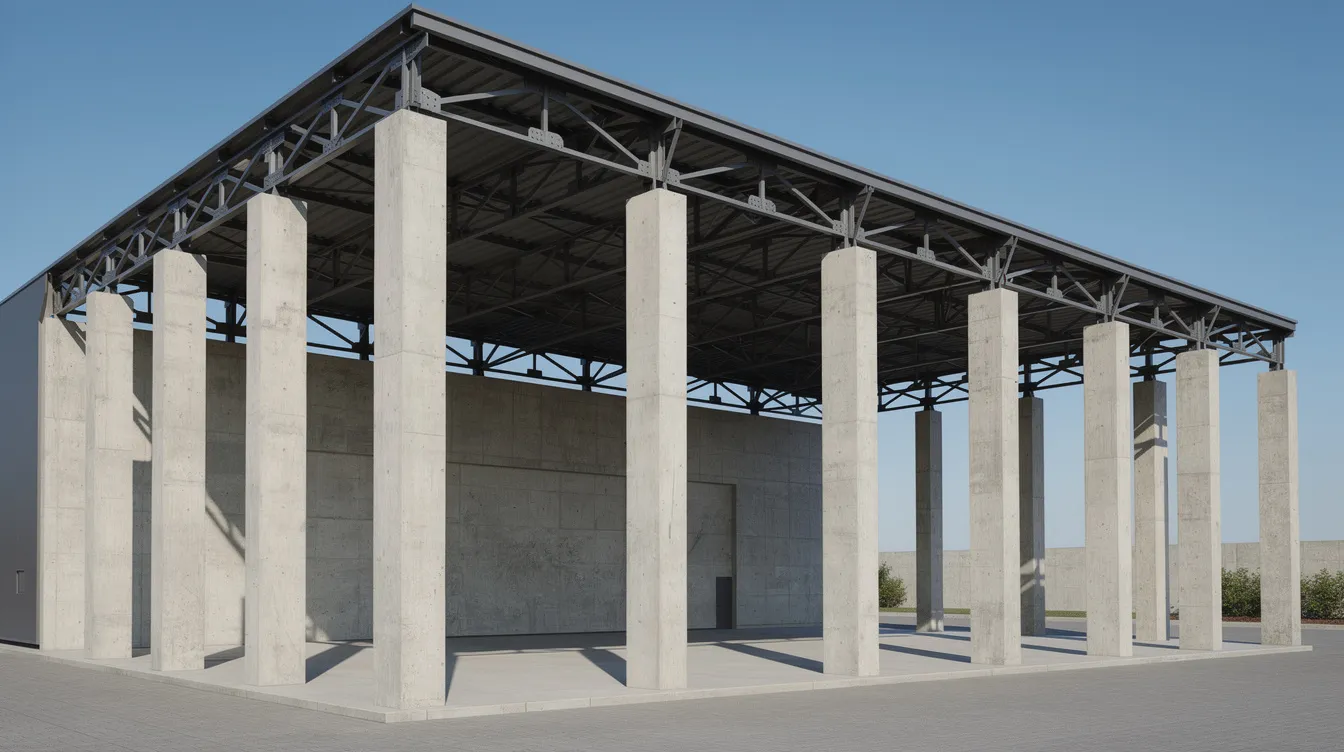
Understanding Periodic Structural Inspection (PSI) for Factories
Periodic Structural Inspection is a formal 5-yearly structural assessment mandated by BCA for non-residential buildings in Singapore, codified under the Building Control (Periodic Inspection of Buildings and Building Façades) Regulations 2021. For factories, the inspection scope is broader and more demanding than for typical commercial buildings. Heavy equipment, dynamic crane loads, chemical exposure, forklift impacts, and tenant-driven modifications over time all create structural stresses that office or retail buildings rarely face.
PSI is distinct from several other processes that share the same abbreviation. It is not a routine maintenance walkthrough carried out by a facility team. It is not a MOM workplace safety audit or a pressure vessel test. It is also unrelated to the pollutant standards index (PSI) used by the National Environment Agency to measure outdoor air quality, which is a rolling 24-hour index computed from six pollutants including sulphur dioxide and carbon monoxide; during transboundary haze and smoke haze, PM2.5 is usually the predominant pollutant, each pollutant is converted into a sub-index, and the highest sub-index becomes the final psi value, while PSI values indicate air quality levels from Good to Hazardous and a PSI above 100 indicates unhealthy air quality levels for assessing current air quality, the psi forecast, and any accompanying health advisory or personal guide issued during haze episodes. And it is not a pre shipment inspection used in manufacturing supply chains as a final checkpoint for product quality before goods leave the factory. A registered Professional Engineer (Civil or Structural) leads the entire PSI process, and the rest of this article explains what that PE checks for in a factory setting.
Core Objectives of Factory PSI
Factory PSI has three objectives, each tied to a measurable outcome:
- Assess current structural safety under the factory’s actual imposed loads and usage patterns, not just the loads assumed in the original design. This includes verifying whether heavy racking, crane operations, or added mezzanines exceed the building’s designed capacity.
- Detect deterioration early enough to plan repairs. Concrete spalling, steel corrosion, and wide structural cracks progress over time. Catching them at an early stage avoids emergency shutdowns and costly delays in production.
- Confirm compliance with BCA’s latest PSI Guidelines, including the September 2024 revised guidelines that introduced enhanced sampling requirements and clarified coverage thresholds for concealed structural elements.
These objectives directly reduce the risk of slab failures under racking loads, crane beam fatigue fractures, and fire-related structural collapses where protective coatings have degraded.
Factories and Industrial Buildings Covered by the National Environment Agency
Industrial premises covered by the factory PSI regime
The following types of industrial premises fall within the PSI regime, which is separate from the National Environment Agency’s outdoor air-quality reporting, including the psi forecast, health advisory, and accompanying health advisory issued during haze episodes:
- B1 and B2 flatted factories and ramp-up industrial units, many of which were built in the 1990s to early 2010s and have now crossed the 13-year threshold
- JTC-leased industrial sites: single-user plants, logistics hubs, wafer fabrication facilities, and similar operations
- Standalone warehouses and logistics centres with heavy racking and forklift traffic
- Process plants, workshops, and repair yards with pits, tanks, heavy foundations, and crane runways
Exclusions include temporary structures, buildings under 13 years old that have not yet received a BCA notice, and purely residential landed houses. Buildings with very limited use or those not classified as “non-residential” fall outside this regime.
Now that the scope and applicability are clear, the next section details what exactly the PE inspects during a factory PSI.
What Exactly Does PSI for a Factory Check For?
BCA’s PSI Guidelines for industrial buildings specify minimum areas and elements that must be examined. The PE checks a combination of structural elements, defect types, and usage-related risks. Visual coverage is expected to reach at least 70–80% of accessible structural elements for non-residential buildings under the enhanced guidelines. For indoor areas under suspended ceilings, the PE must inspect at least one ceiling access point every 500 m²; for outdoor weather-exposed areas, at least one access every 250 m².
Key Structural Elements Inspected
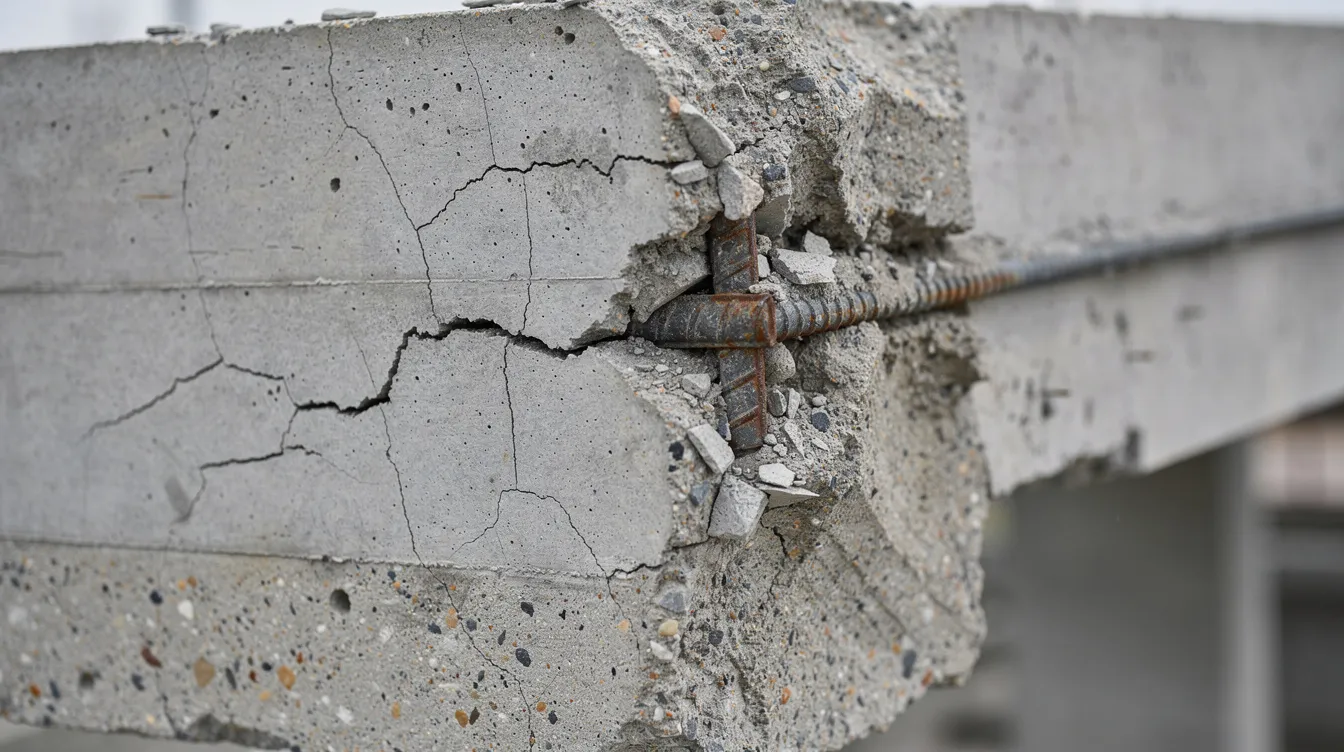
Floor slabs and beams are inspected for flexural and shear cracks, excessive deflection, spalling concrete, and exposed reinforcement. The PE pays particular attention to high-load zones: forklift aisles, storage rack footprints, and heavy machine bases where concentrated loads can cause slab distress. Visible structural elements and defects such as cracks or deterioration are evaluated methodically across every accessible floor level.
Columns, walls, and frames are checked for verticality, compression cracks, corrosion at base plates, and water-induced deterioration at ground level. Under BCA guidelines, cladded columns must have at least 30% of their surface exposed for inspection. If the PE’s professional judgement warrants more exposure, the owner must remove additional cladding.
Roof structures include steel trusses, purlins, roof decks, and their connections. The PE looks for corrosion, deformation, loose bolts, and ponding. Roof-mounted equipment installed after the original design (chillers, exhaust fans, solar arrays) receives particular scrutiny because these loads may not have been part of the structural design calculations.
Foundations and ground slabs, where accessible, are examined for settlement, differential movement, cracks radiating from column bases, and defects around pits and trenches. Factories with heavy vibrating machinery are prone to differential settlement that may not be visible from above.
Crane beams and gantry tracks are inspected for fatigue cracking at welds and bracket connections, local buckling, loose fixings, and rail misalignment. These elements experience repeated dynamic loading every time the crane cycles, making them one of the higher-risk structural components in any factory.
Defect Types and Deterioration Patterns
The PSI catalogues defects into categories. Safety defects are classified into critical, major, and minor categories during inspections.
Concrete issues include spalling, honeycombing, rebar corrosion, wide structural cracks (especially diagonal cracks at beam-to-slab joints), and delamination. In factories handling chemicals, carbonation depth testing may be triggered when visible signs suggest the concrete cover has been compromised. Singapore’s high humidity accelerates these processes, particularly in open-sided loading bays.
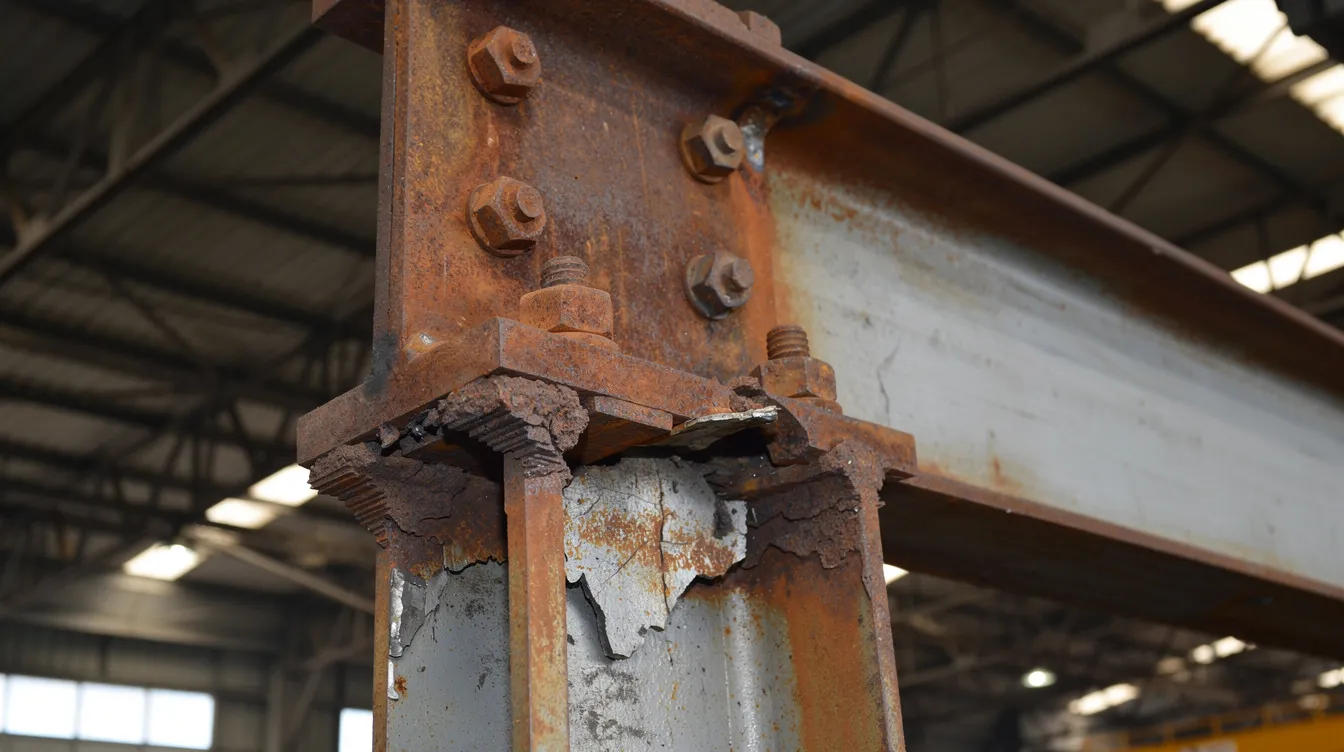
Steel issues include surface and section-loss corrosion, weld cracking (common in crane beams and bracing connections), local buckling in thin steel members or long spans, and loose bolts or missing bracing members. Continuous exposure to moisture and chemical fumes in some factories can reduce a steel member’s cross-section enough to affect its load capacity within a single inspection cycle.
Serviceability issues such as excessive deflection, sagging, and vibration under dynamic loads (presses, hammering, crane operations) are also recorded. Not all defects mean the structure is unsafe; the PE categorises severity from cosmetic to critical. Critical defects result in an automatic rejection of continued use without interim safety measures. This classification directly determines whether Stage 2 detailed investigations are needed.
Operational Loads, Use Changes, and Overloading
PSI does not examine only the “as-built” structure. The PE cross-checks the building’s current operational use against its original design loads. This includes comparing actual floor loading (stacked pallets, mezzanines, new production lines) against the structural drawings. Where a 5-ton crane has been replaced with a 10-ton unit without design verification, the PE flags this as a load exceedance requiring structural analysis.
Changes such as added mezzanine decks, infilled openings, new wall cuts, or removal of structural members all fall within the inspection scope. AEC Technical Advisory often cross-checks actual equipment lists and racking plans with load calculations where concerns arise during the visual walkthrough.
Understanding usage is critical for a meaningful PSI. Without it, the inspection becomes a surface-level exercise that misses the most common cause of structural distress in factories: loads and modifications that were never designed for.
How PSI for a Factory Is Carried Out in Practice
Factory PSI follows BCA’s two-stage framework: Stage 1 (visual inspection) and Stage 2 (detailed investigation), combining both field work and desk study. The process described below aligns with the latest BCA guidelines as of 2024–2026, including the March 2026 circular confirming that the appointed SE must be physically on site during inspection and cannot delegate the inspection wholly to assistants.
Pre-Inspection Review and Planning
- Obtain and review structural drawings: as-built plans, past A&A approvals, BCA submission records, and any previous PSI reports.
- Collect operational data: current layout, machine weights, crane specifications, racking heights and load ratings, storage materials (including liquids and chemicals).
- Plan access: determine MEWP, ladder, scaffold, or drone requirements for roof, service voids, confined spaces (tank pits), and concealed areas behind cladding.
- Coordinate timing: schedule intrusive checks during night shifts, weekends, or planned shutdowns to minimise work disruptions.
- Prepare RAMS: risk assessments and method statements to comply with WSH and MOM requirements during the inspection.
This planning phase reduces disruption by ensuring the PE arrives on site knowing where to focus and what access equipment is needed.
Stage 1: Visual Structural Inspection
The Stage 1 inspection follows a systematic process:
- Walk through all production areas, warehouses, offices, rooftops, and external frames, referencing structural drawings at each location.
- Photograph and tag every defect with grid references or coordinates for later tabulation in the defect register.
- Sample concealed areas by removing a proportion of ceiling tiles and cladding panels, following BCA’s minimum coverage ratios (one access point per 500 m² indoors, 250 m² outdoors; 30% minimum for cladded columns).
- Flag any potentially critical issues (severe column cracking, major corrosion on crane beams, visible deflection) for interim risk controls such as load restrictions or barricading.
- Discuss observed conditions with the owner or facility manager, including a preliminary assessment of whether Stage 2 investigations are needed.
Stage 1 alone may be sufficient for buildings in good condition with only minor, well-understood defects. About 91% of buildings inspected by BCA over the 2023–2025 period had either no defects or only minor ones.
Stage 2: Detailed Investigation and Testing (When Required)
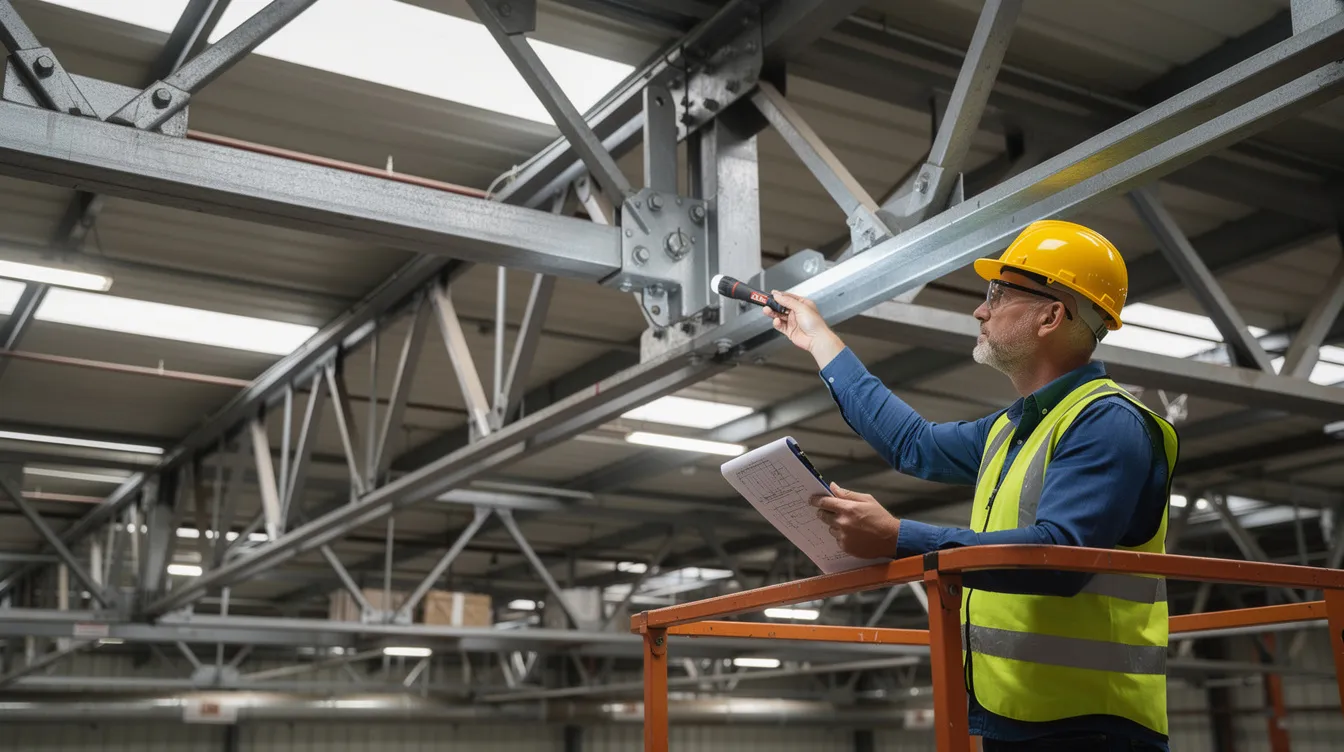
Stage 2 is triggered when Stage 1 reveals unexplained or severe deterioration, or when structural drawings and records are incomplete. Typical methods include:
- Non-destructive tests (NDT): cover meter scans for rebar depth and spacing, rebound hammer for concrete surface hardness, half-cell potential for corrosion risk, and ultrasonic thickness measurement for steel members.
- Selective destructive tests: core samples for compressive strength verification, carbonation depth tests, and steel coupon thickness checks in areas of heavy corrosion.
- Monitoring: crack width gauges, deflection measurements under known loads, and short-term vibration instrumentation in zones with dynamic equipment such as presses or cranes.
- Structural analysis: load capacity calculations for slabs, beams, mezzanines, and crane beams, verified against current or planned industrial applications.
AEC Technical Advisory can both conduct these tests and interpret results into practical strengthening or remedial recommendations.
Reporting, Risk Rating, and Follow-Up
A completed PSI report for a factory includes:
- Executive summary with an overall safety conclusion (e.g. “safe for continued use with specified rectifications within 6 months”)
- Description of the building, its use, age, and prior alterations
- Methodology and limitations (e.g. inaccessible voids, hidden elements declared)
- Defect register with annotated photos, locations on floor plans, severity grading, and recommended actions with timelines
The PE classifies required actions into three tiers. Immediate safety measures cover load reduction, barricading, or temporary propping. Medium-term rectification works are assigned specific deadlines, typically 3–12 months. Monitoring strategies apply where structural capacity is currently acceptable but ongoing observation is prudent.
Reports are submitted via CORENET-X, BCA’s e-submission portal. Owners must retain copies for JTC lease renewal discussions, insurance reviews, and internal safety audits.
What Factory PSI Checks Beyond the Structure Itself
While the core focus is structural safety, PSI also captures conditions that affect structural performance indirectly. Moisture and seepage issues may weaken structural integrity and require inspection alongside the primary structural assessment.
Drainage, Leakage, Indoor Air Quality, and Water-Related Risks
Poor drainage accelerates structural deterioration across multiple pathways. The PE inspects roof gutters, downpipes, and floor drainage for ponding and overflow that can cause corrosion in steel connections or spalling in concrete soffits. Long-term seepage through walls, beams, and soffits is documented, particularly near chemical or wastewater lines where effluents may contain chlorides or acids.
This subsection refers only to indoor air quality as a water- or ventilation-related building condition, not NEA haze guidance on outdoor exposure. During transboundary haze or smoke haze, PM2.5 is the main concern because PM2.5 particles can penetrate deep into the lungs; in that context, healthy individuals should follow the official health advisory and personal guide, while vulnerable groups should take stricter precautions, and current air quality may change through the day. Short-term exposure in the unhealthy range can cause eye, nose, and throat irritation in a healthy person, especially after continuous exposure over a few days. In that context, pregnant women, people with heart disease, and people with pre-existing respiratory conditions should limit immediate outdoor activities based on the official health advisory and personal guide. Haze can aggravate chronic heart and lung diseases. When readings are elevated, healthy people should reduce prolonged or strenuous outdoor activity.
Water-related degradation around sumps, process pits, and underground tanks is common in factories located in coastal areas such as Jurong or Tuas. Final recommendations often include both structural repairs and maintenance improvements to drainage systems. Where outdoor air quality appears poor during hazy conditions, close doors and windows, and if an air conditioner draws unfiltered air from outside, close the outdoor air intake opening. Portable air purifiers or air purifiers with suitable air filters can provide an additional indoor measure, whereas N95 masks are generally more relevant only when someone must stay outdoors for several hours in the hazardous range.
Fire, Heat, and Chemical Exposure on Structural Elements
The PE evaluates whether structural elements have been compromised by previous fires or sustained high-temperature processes. Heat damage to steel frames manifests as discolouration, distortion, or loss of temper in high-strength bolts. Aggressive chemicals (acids, solvents, chlorides) stored or processed near structural members can cause accelerated concrete carbonation or steel pitting.
Removed or damaged fire protection on steel elements (intumescent coatings, concrete encasements) is also noted. Where fire protection has degraded, coordination with SCDF submissions may be required. AEC Technical Advisory’s multidisciplinary capability allows these issues to be addressed alongside the structural scope.
Interface with Architectural, M&E Installations, and the Manufacturing Process
PSI is not a full architectural or M&E audit, but the PE documents structural impacts from other trades. Large service penetrations through slabs, beams, and walls, cut for ducts, pipes, and cable trays without design verification, are a recurring finding in factories that have undergone multiple fit-outs. Heavy rooftop M&E equipment sitting on inadequately designed support frames creates concentrated loads that the original roof structure may not accommodate.
Façade changes, new openings, or removal of walls that may have structural roles are flagged for follow-up. AEC Technical Advisory can coordinate with in-house architectural and M&E teams to redesign supports or regularise past works with BCA where needed.
Common Problems PSI Uncovers in Singapore Factories
Over the 2023–2025 period, BCA inspected more than 7,000 non-residential buildings per year. Approximately 600 buildings annually were found with structural defects requiring remedial work, representing about 9% of inspected non-residential buildings with defects beyond the “minor” category. The following scenarios are drawn from problem types frequently encountered in older B1/B2 and JTC buildings.
Overloaded Slabs and Mezzanines
Tall racking systems storing heavy palletised goods are the single most common source of slab overstress in flatted factories. Racking is often added after the original design, sometimes without any structural verification. Unapproved steel mezzanines welded or bolted to existing frames compound the problem by adding dead load that was never part of the design.
Evidence shows up as floor cracking, measurable deflection, slab corner breaks near column bases, and in severe cases, differential settlement. Typical recommendations include immediate load control (reducing stack heights or redistributing goods), structural verification calculations, and strengthening or reconstruction design where capacity is confirmed to be exceeded.
Crane Beam Fatigue and Corrosion
Overhead travelling cranes impose repeated dynamic loads on runway beams and their connections. Crack initiation at welds, bracket connections, and rail seats is a fatigue-driven process that accelerates with usage frequency and load magnitude. In open-sided factories, corrosion under rail plates and at end carriages adds to the problem.
A separate category of risk arises where crane capacity was increased historically without PE verification; a 5-ton crane swapped for a 10-ton unit doubles the design demand at every connection. PSI typically recommends NDT of welds, capacity checks against actual crane loads, and possible strengthening or restricted crane use until the issue is resolved.
Chemical and Coastal Corrosion of Structural Members
Factories in coastal zones (Jurong Island, Tuas, Changi) or those handling corrosive substances face accelerated deterioration. Chloride-driven rebar corrosion in concrete produces spalling and section loss that can progress from cosmetic to structural within a few years of first appearing. Unprotected steel members in open-sided loading bays and process areas are similarly vulnerable.
Remedies range from protective coatings and concrete patch repairs to full section replacement and, in persistent cases, cathodic protection systems. Improved chemical containment and housekeeping are often recommended alongside structural repairs, because the source of corrosion must be addressed to prevent recurrence within the next 5-year cycle.
What Factory Owners and Managers Should Do If PSI Finds Issues
Findings are normal for older factories. PSI is designed to manage risk, not to automatically shut down operations. About 91% of inspected buildings have either no defects or only minor ones. For the remainder, a structured response keeps the factory operational while addressing safety.
Interpreting the PE’s Findings and Risk Ratings
Read the PSI report’s executive summary first. Distinguish between “immediate” safety concerns (load restrictions, barricading, temporary propping required now) and medium-term deterioration that can be addressed over several months. Understand the PE’s language: “safe for continued use” differs from “conditional on rectification within 3 months” and “load restrictions required pending structural verification.”
Ask the PE to clarify any technical terms rather than assuming worst-case or ignoring issues. A building defect investigation may be recommended where the root cause of a defect is unclear from visual inspection alone.
Planning Rectification, Quality Control, and Strengthening Works
- Prioritise works addressing safety-critical defects and overloading risks first.
- Engage a design consultancy (such as AEC Technical Advisory) to develop strengthening or repair details, including method statements and temporary works.
- Coordinate with contractors for phasing that minimises production downtime; repair concrete slabs in sections, not all at once.
- If required, submit plans to BCA, JTC, or SCDF for approvals before work begins.
AEC Technical Advisory can serve as the same PE for both PSI and rectification design, subject to conflict-of-interest disclosure and client preference. Here, PSI helps avoid shutdowns by identifying structural issues early and reducing risks; by contrast, in supply-chain use, pre-shipment inspection catches product defects before dispatch to protect product quality, support brand image and a brand’s reputation, and companies often report a 25% decrease in post-shipment defects.
Maintaining Records and Preparing for the Next PSI Cycle
File all PSI reports, test results, and rectification completion records systematically. Update “as-built” documentation after every A&A or strengthening project so the next PE has accurate drawings. Implement annual internal walk-throughs focusing on known weak points (e.g. crane beam connections, racking zones, drainage paths). These walk-throughs do not replace statutory PSI, but they reduce the chance of surprise findings at the next 5-year cycle.
These proactive steps transform PSI from a compliance obligation into a tool for maintaining safe, reliable factory operations over the building’s lifespan.
Conclusion and Next Steps
PSI for a factory in Singapore checks the building’s structural safety under real industrial operations, focusing on load-bearing elements, defect detection, and overloading risks. It is legally required every 5 years once the building reaches 13 years of age, and the inspection must be led by a registered Professional Engineer who is physically present on site.
Here are the immediate steps for factory owners:
- Confirm your factory’s age (from TOP/CSC date) and whether it falls under BCA’s PSI regime.
- Gather structural drawings, past A&A records, and any previous PSI reports.
- Engage a PEB-registered Civil/Structural PE with industrial building experience, such as AEC Technical Advisory, 6–9 months before your due date.
- Budget for possible Stage 2 investigations and rectification works before the inspection starts.
Related topics worth exploring include façade inspections for industrial buildings, temporary works design during factory retrofits, and authority submissions for additions and alterations to industrial premises.
Frequently Asked Questions About What PSI Checks for in a Factory
These questions address common doubts about the inspection scope and depth of factory PSI checks in Singapore.
Does PSI check only the main structure, or also non-structural items?
The statutory focus is on structural elements: slabs, beams, columns, foundations, roof structures, and crane beams. The PE will note non-structural conditions that affect structural safety, such as heavy M&E units on inadequately designed supports, service penetrations through structural members, and poor drainage causing corrosion. Detailed M&E performance testing, production process safety, or fire system functional testing falls under other regulatory regimes, not PSI, though coordination is recommended. By contrast, packaging checks, shipping marks, product dimensions, and visible product defects are part of pre shipment inspection, not statutory building PSI.
Will PSI check every single beam and column in a large factory?
Inspection is systematic and representative. Here, the sampling refers to BCA’s building-inspection coverage, not AQL or other standardized sampling plans used in pre shipment inspection. For very large plants, sampling strategies follow BCA’s minimum coverage ratios (one ceiling access per 500 m², 30% exposure for cladded columns). High-risk zones such as crane areas, heavy racking footprints, coastal exposures, and transfer structures are always prioritised. If sampling reveals defects in one area, the PE will extend coverage to similar zones. Inspections should be tailored to the product type for accurate safety checks; in this context, the “product” is the building’s structural system, and a warehouse with crane beams requires different emphasis than a clean-room factory with uniform floor loads. By contrast, pre shipment inspection is typically done when goods are 100% complete and about 80% packed, some importers use only PSI for repeat orders with trusted suppliers, and it was officially introduced through international trade rules rather than statutory structural inspection requirements.
Does PSI include checking my production machinery and process equipment?
PSI does not certify the machinery itself (its performance, electrical safety, or process quality control). Inspectors evaluate safety across electrical, mechanical, chemical, and operational categories under separate MOM and SCDF regimes. What PSI does check is whether the building structure can safely support the loads and vibrations imposed by that equipment. If new equipment is heavier or more dynamic than what the original design assumed, the PE may recommend separate structural checks or an A&A submission to BCA.
What if my factory recently underwent major renovation or strengthening works?
Recent A&A or strengthening is positive, but the PE will still verify workmanship, current condition, and overall workmanship of the completed work as part of PSI. Provide updated drawings and approvals so that the inspection reflects the latest configuration and avoids confusion about which elements are original and which are new. Labels and markings must comply with regulatory standards during a PSI, including identification plates on strengthened members.
Can PSI be combined with other mandatory inspections to save time?
Owners often coordinate PSI with façade inspections, roof safety checks, or internal asset condition surveys. While reporting requirements remain distinct (PSI reports go to BCA via CORENET-X; façade reports have separate submission paths), using one multidisciplinary consultancy like AEC Technical Advisory can streamline site access, photography, risk assessments, and reporting. This approach reduces the number of days your operations are disrupted by inspection teams.