
Introduction
Only a Professional Engineer (PE) registered in the Civil or Structural branch with the Professional Engineers Board (PEB) and recognised by the Building and Construction Authority (BCA) can legally carry out and certify a periodic structural inspection for a factory in Singapore. No other professional-whether an architect, M&E engineer, in-house corporate engineer, or overseas-qualified structural consultant-holds the statutory authority to sign and submit a PSI report under Section 28 of the Building Control Act 1989.
This article answers the question “who can carry out PSI for a factory in Singapore” with a focus on industrial buildings: B1 and B2 factories, JTC-leased sites, flatted factories, ramp-up industrial facilities, warehouses, standalone plants, and process plants. If you own or occupy a residential building, condominium, or landed house, the regime differs; this guide is written specifically for building owners, JTC lessees, facility managers, industrial landlords, and contractors supporting industrial operations.
Understanding who is legally empowered-and equally, who is not-matters because failure to comply with PSI is a criminal offense under the Building Control Act 1989. Engaging the wrong party wastes time, risks BCA rejection of the inspection report, and can expose owners to enforcement action and safety risks.
What you’ll learn in this guide:
-
The statutory requirements that govern periodic structural inspection for industrial buildings in Singapore
-
The exact qualifications and registration a PE must hold to carry out factory PSI
-
Who cannot legally certify a factory PSI-and the consequences of getting it wrong
-
How to evaluate and choose the right structural engineer or firm for your factory
-
The PSI process from notice to BCA clearance, including Stage 1 and Stage 2 inspections
Understanding PSI for Factories in Singapore
Periodic structural inspection is a mandatory structural health check required under Section 28 of the Building Control Act for older non residential buildings-including factories-to verify that the building remains structurally sound and safe for continued use. Think of it as a scheduled deep-dive into the structural integrity of your building’s load-bearing elements: columns, beams, floor slabs, foundations, roofs, mezzanines, and crane runway structures.
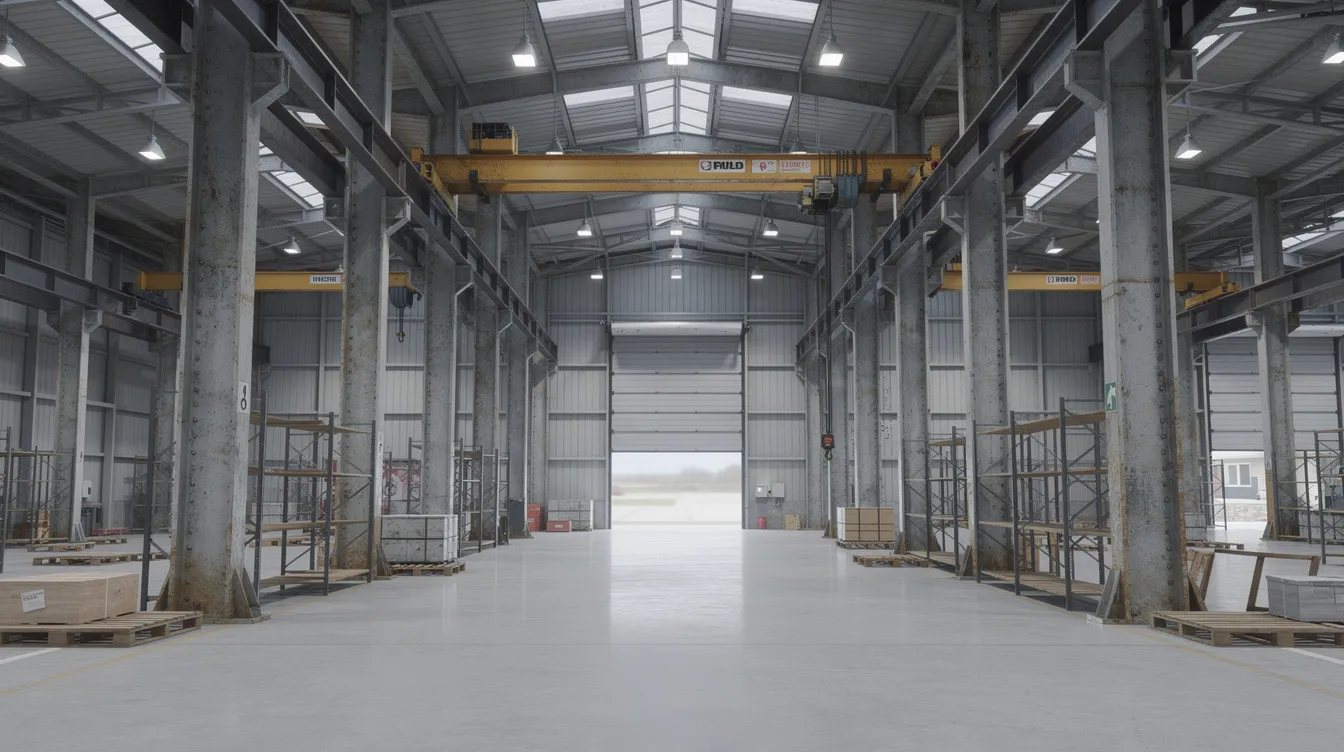
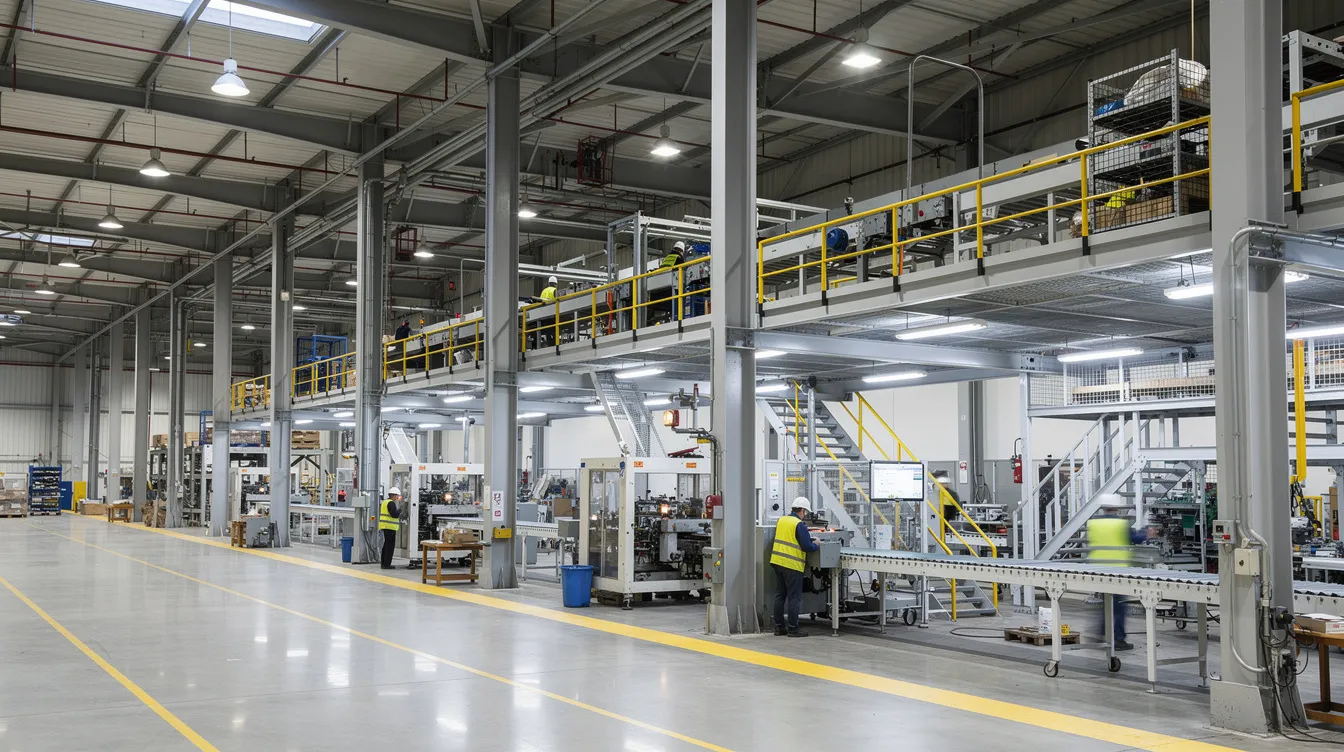
Factories present a heightened risk profile compared to offices or retail buildings. Heavy loading from machinery and storage racking, dynamic forces from overhead cranes, chemical exposure from manufacturing processes, high humidity in wet-process areas, and vibration from production equipment all accelerate structural deterioration. These factors explain why the regulatory framework insists on qualified professional engineers with relevant industrial experience-not just any inspector-to assess a factory’s condition.
This section establishes the foundation you need before we address who is legally allowed to perform the inspection.
What Is a Periodic Structural Inspection (PSI)?
A periodic structural inspection (PSI) is a staged structural assessment carried out by a qualified structural engineer to review the condition of a building’s critical structural elements-slabs, beams, columns, foundations, roofs, mezzanines, crane beams, and external frames. The inspection determines whether the structure shows signs of structural defects, deterioration, foundation settlement, or any condition that compromises safety.
PSI is mandated for buildings aged 13 years or older, measured from the date of the Temporary Occupation Permit (TOP) or Certificate of Statutory Completion (CSC). For factories and other non residential buildings, PSI inspections occur every 5 years once the building enters the PSI cycle. Residential buildings follow a longer interval-PSI for residential buildings occurs every 10 years-but factories almost always sit on the stricter 5-year schedule.
It is important to distinguish PSI from routine maintenance checks or contractor walkthroughs. PSI must follow BCA-prescribed formats, adhere to BCA’s PSI Guidelines for Structural Engineers (last updated September 2024), and be submitted within strict timelines. The outcomes matter directly to factory owners: a clean PSI report supports lease renewal with JTC, satisfies insurer requirements, and confirms business operations can continue without structural risk.
Industrial Buildings Covered by PSI Requirements
The following building types typically fall under PSI requirements for industrial buildings:
-
B1 (Light/Clean Industry) and B2 (General/Special Industry) factories as classified under URA zoning
-
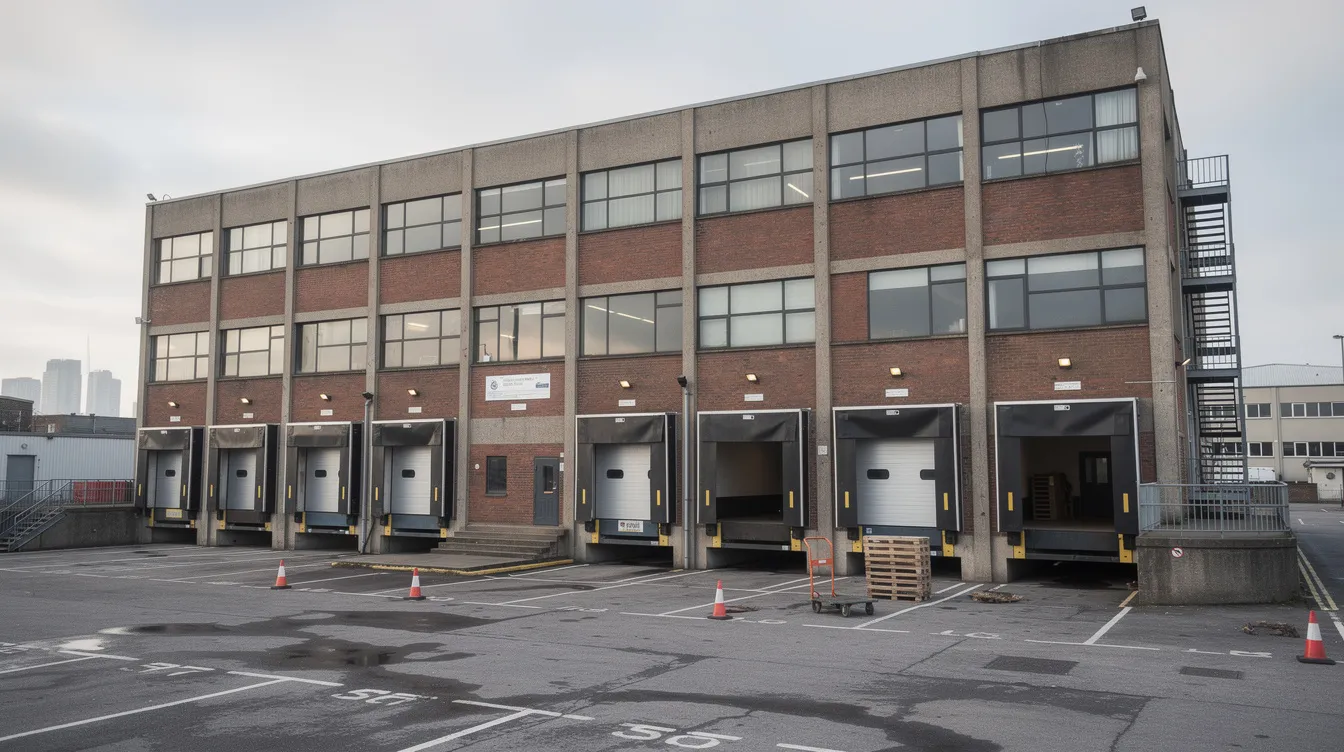
JTC flatted factories and ramp-up industrial buildings
-
Logistics warehouses and distribution centres
-
Standalone industrial plants and process plants with large structural frames
-
Multi storey industrial buildings with heavy equipment installations
Certain exclusions or special cases exist. Temporary buildings, newly completed structures below the 13-year threshold, and landed residential properties (detached, semi detached, linked houses) are generally exempt or follow different regimes. However, once a factory passes the 13-year mark, there are essentially no further exemptions-even small light industrial sheds with minimal structure will enter the PSI cycle.
For strata titled developments used for industrial purposes, the management corporation typically assumes responsibility for common structural elements. Understanding your building type is the first step; the next is knowing exactly who the law allows to inspect it.
Who Is Legally Allowed to Carry Out PSI for a Factory?
The answer is unambiguous: only registered Professional Engineers in the Civil or Structural discipline, holding a valid practising certificate issued by the Professional Engineers Board, can conduct and certify a BCA periodic structural inspection for a factory. Internal maintenance teams, contractors, foreign engineers without PEB registration, architects acting alone, or non-structural consultants cannot legally fulfil this role.
Only registered Professional Engineers can conduct PSI inspections-this is a statutory requirement, not a preference. Let’s break down why.
The Role of the Professional Engineer (PE)
In Singapore, a Professional Engineer is an individual registered with the Professional Engineers Board (PEB) under a specific engineering discipline. For structural PSI, the PE must be registered in the Civil or Structural branch. Registration requires an approved engineering degree, relevant practical engineering experience, successful completion of the Fundamentals of Engineering Examination (FEE) and the Practice of Professional Engineering Examination (PPE), and an annual practising certificate. Without a valid practising certificate, even a registered PE cannot legally practise.
During a factory PSI, the PE’s responsibilities include:
-
Planning the inspection scope based on building type, age, exposure conditions, and structural complexity
-
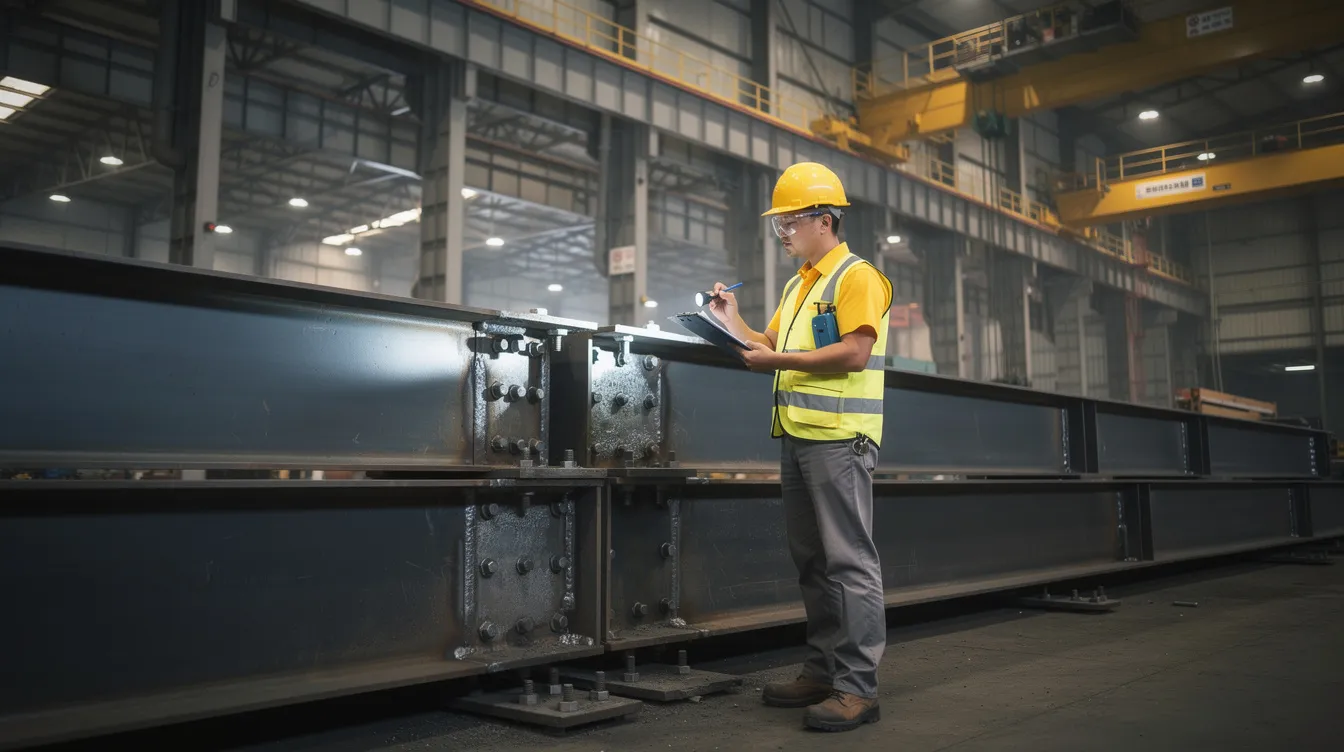
Personally conducting or supervising the visual inspection of all critical structural elements
-
Evaluating structural defects-cracks, spalling, corrosion, deflection, deformation under crane or heavy loads
-
Deciding whether Stage 2 further investigation is needed based on Stage 1 findings
-
Endorsing and submitting the final inspection report to BCA
Professional Engineers must be independent from the buildings they inspect. A PE who also serves as the building’s in-house structural adviser or who is employed by the contractor performing repair works must disclose any conflict and maintain professional impartiality. Additionally, PEs bear personal civil and criminal liability for inspection findings-this accountability is what gives the PSI report its legal weight.
A Professional Engineer must endorse major structural elements or safety layouts in hazardous installations, making the PE role even more critical for factories on sites like Jurong Island or chemical process zones where facilities handling hazardous substances must engage a Professional Engineer for safety oversight.
BCA Accreditation and PSI-Qualified Engineers
BCA issues PSI notices to building owners and expects the appointed PE to be competent in structural assessment of industrial buildings. BCA’s PSI Guidelines for Structural Engineers set out the requirements for inspection coverage, handling of concealed structural elements, documentation, and report formats. As of 2026, PEs must submit inspection reports to BCA on time, typically via the CORENET-X electronic submission system.
For factory PSIs, BCA and industrial landlords like JTC may strongly prefer firms with demonstrated industrial portfolios and a track record of Section 28 structural inspections. Marketing claims of being “BCA-accredited” or “Section 28-compliant” must trace back to a named PEB-registered PE as the signatory-the individual, not just the firm, carries the statutory responsibility.
AEC Technical Advisory works with PEB-registered PEs experienced in industrial civil and structural design, inspections, and BCA submissions, bringing relevant expertise to factory PSI engagements.
Who Cannot Carry Out or Certify a Factory PSI?
The following parties cannot legally certify PSI reports for submission to BCA:
-
Facility managers without PEB registration, regardless of experience or seniority
-
Foreign structural engineers not registered with PEB Singapore, even if licensed in their home jurisdiction
-
Contractors and project managers, no matter how long they have worked on the building
-
Architects acting without a collaborating PE (Civil/Structural)-architects are not qualified to perform structural assessment under Section 28
-
M&E engineers (Mechanical, Electrical) acting outside their registered discipline
These parties may support the PSI process through coordination, site access, data gathering, and logistics. But the final responsibility and signature rest solely with the registered PE. BCA will reject reports not endorsed by a PEB-registered PE, and building owners face potential enforcement action-including criminal penalties under the Building Control Act-if they rely on unqualified persons.
Factory Owners’ and Occupiers’ Responsibilities in Appointing a PE
While only professional engineers can carry out PSI, the legal duty to appoint them falls on the building owner or responsible occupier. Understanding who bears this obligation-and when-prevents costly delays and compliance failures.
Who Is Treated as the “Owner” for Factory PSI?
Industrial ownership structures in Singapore vary significantly:
-
Single-owner private factory: The registered proprietor receives the PSI notice and bears full responsibility.
-
JTC-leased site with an industrial lessee: BCA’s PSI notice is typically served on the legal owner, but JTC lease agreements almost always contractually require the lessee to handle and fund PSI. JTC lessees should check their lease terms carefully, especially ahead of lease renewal.
-
Multi-tenanted flatted factory or ramp-up industrial building: The master landlord or management corporation assumes responsibility for common structural elements. For strata titled developments, the management corporation is the prescribed responsible party.
Operational heads-plant managers, facilities managers-often manage the process practically, but statutory liability traces back to the legal building owner or prescribed person identified in the PSI notice. Building owners must appoint a Structural Engineer within the timeframe specified in the notice, provide site access for the Structural Engineer’s structural assessment, ensure timely submission of the inspection report to BCA, and implement recommended rectifications promptly.
Appointment Duties and Timeframes
Once a PSI Notice is received, the clock starts:
-
BCA issues the PSI notice-typically well in advance of the inspection due date, giving owners time to plan.
-
Building owners must appoint a suitable PE within the timeframe stated in the notice. Current BCA practice generally allows around 2 months for appointment.
-
The PE then has approximately 2 months from appointment to carry out the inspection and submit the PSI report to BCA.
Key owner duties during this period include providing as built structural plans (if available), disclosing past addition-and-alteration (A&A) works, arranging safe site access (MEWPs, scaffolding), and facilitating plant shutdowns or night/weekend inspections to minimize disruption to business operations.
Late appointment compresses inspection time significantly. If Stage 2 further investigation becomes necessary-requiring non-destructive testing, core sampling, or structural analysis-there may not be enough time to complete everything before BCA’s submission deadline. This is why experienced owners initiate PE appointment 6–9 months before the PSI due date.
Coordination Roles: FM Teams, Contractors, and Safety Officers
Multiple parties typically support a factory PSI, even though none replaces the PE:
-
Facility management teams coordinate site access, escort the inspection team, and arrange for areas to be cleared or opened up.
-
Safety officers ensure workplace safety and WSH compliance during roof, crane-beam, or confined-space inspections-critical for factories where safety risks are elevated.
-
Contractors may assist with opening-up works (removing cladding to expose concealed structural elements), temporary supports during investigative hacking, or providing access equipment.
These parties play essential supporting roles, but the PE retains full statutory responsibility for the inspection scope, methodology, defect assessment, and final report. With these responsibilities clear, the next question is how to select the right PE or consulting firm.
How to Choose the Right Engineer or Firm for Factory PSI
Not all PEs are equally suited for factory PSI. Industrial buildings involve heavy loading conditions, cranes, vibrations, chemical environments, and complex structural configurations that demand specialised experience. This section helps owners move from understanding “who can carry out PSI” to deciding “who should we actually appoint.”
Key Qualifications and Experience to Look For
When shortlisting engineers or firms, verify the following minimum requirements:
-
PEB-registered PE (Civil/Structural) with a valid registration number-confirm on PEB’s public registry
-
Demonstrated PSI experience specifically for factories, warehouses, and JTC estates
-
Familiarity with BCA Section 28 processes and CORENET-X submissions
-
Knowledge of industrial loadings: overhead cranes, heavy racking, tanks, silos, mezzanines, and high-load slabs
-
Understanding of industrial exposure conditions: chemical environments, high humidity areas, vibration-prone structures
PSI for non-residential buildings costs S$1,800 to S$25,000+ depending on building size, complexity, and scope. Small factory PSI costs range from S$1,800 to S$3,000, while medium commercial building PSI costs between S$5,000 and S$12,000. For large condominium or complex industrial buildings, PSI fees can range from S$9,000 to S$25,000+. For a detailed breakdown of PSI costs, owners should request itemised quotes from multiple firms.
Evaluating Technical Approach and Inspection Scope
When comparing proposals, assess the following:
-
Site time allocation: How many days will the PE and team spend on site? Minimal site time often means corners will be cut.
-
Inspection coverage: Which areas will be inspected-roofs, crane beams, external frames, mezzanines, floor slabs, foundations? Does the proposal address concealed structural elements behind cladding, false ceilings, or ducting?
-
Access strategy: How will inaccessible areas be handled? Drones, MEWPs, scaffold, or a justified sampling strategy?
-
Staged approach: Clear criteria for Stage 1 visual inspection and escalation to Stage 2 detailed investigation if needed, including estimated costs for Stage 2.
A good PSI checklist should cover all these elements. Red flags include overly cheap quotes with minimal site time, no mention of the PE attending personally, or proposals relying entirely on junior staff for all site work.
Commercial and Practical Considerations
Beyond qualifications, pragmatic factors matter for factory PSI:
-
Schedule flexibility: Ability to conduct inspections during nights or weekends to minimize disruption to production and business operations
-
Landlord familiarity: Experience working under JTC and major industrial landlords’ requirements, including knowledge of JTC renovation and submission processes
-
Integrated capability: Capacity to combine PSI with related services like temporary works design, structural strengthening design, industrial A&A approvals, or authority submissions for remedial works
AEC Technical Advisory provides integrated support across these areas: PE inspection, structural design for repairs, BCA submissions, and coordination with contractors-reducing the number of separate engagements owners need to manage.
Once the right PE is engaged, the PSI process follows a structured sequence mandated by BCA.
How PSI for a Factory Is Actually Carried Out
Knowing who can carry out PSI naturally leads to understanding what they actually do on site. While specific approaches vary by building complexity and condition, most factory PSIs follow BCA’s Stage 1 and Stage 2 framework.
Stage 1: Visual Structural Inspection
Stage 1 PSI involves a visual inspection of structural elements across the building. For factories, typical activities include:
-
Review of structural drawings and past A&A plans, if available, to understand original design intent and any modifications
-
Systematic walkthrough of production areas, warehouses, loading bays, external frames, roofs, crane beams, and mezzanines
-
Identification and grading of visible defects: cracks in concrete members, spalling, deflection of beams or slabs, corrosion of steel reinforcement or structural steel, foundation settlement signs, and deformation under crane or heavy loading
The PE either personally inspects all critical areas or leads an inspection team while remaining fully accountable for the assessment. BCA guidelines require that at least 30% of cladded columns be exposed for inspection in certain cases, and the PE must justify the inspection coverage on layout plans.
For many well-maintained, properly maintained factories, PSI may conclude at Stage 1 with only minor repair recommendations and no further testing required. The building’s condition determines whether Stage 2 is triggered.
Stage 2: Detailed Investigation (When Needed)
Stage 2 is triggered when Stage 1 reveals significant structural defects, unexplained movement, doubts about structural capacity under actual industrial loads, or when records are incomplete and the PE cannot confirm structural integrity from visual inspection alone.
Typical Stage 2 methods relevant to factories include:
-
Non-Destructive Testing (NDT) of reinforced concrete elements-cover meter surveys, half-cell potential testing, rebound hammer tests
-
Core sampling and laboratory testing to determine concrete strength and carbonation depth
-
Structural analysis and load rating of floors, racks, crane runway beams, and mezzanines to verify capacity against actual operational loads
-
Risk assessments for structures showing signs of distress under dynamic or chemical exposure conditions
Stage 2 often requires significantly more coordination: production shutdowns, specialised access equipment, local hacking to expose structural elements, and may involve supplementary PE endorsements if strengthening or remedial works are designed. Factories with overhead cranes often reveal earlier signs of fatigue in crane runway beams. Racked storage warehouses sometimes discover slab point loads exceeding original design capacity. Chemical plants frequently show accelerated concrete spalling and reinforcement corrosion due to aggressive environmental exposure.
Reporting and BCA / Landlord Clearance
The PE must prepare and submit a structured PSI report that includes:
-
Summary of building and ownership details
-
Inspection methodology and limitations-including documentation of inaccessible areas and justification
-
Tabulated defects with locations, severity ratings, and photographs
-
Structural assessment of overall safety and specific recommendations: repairs, monitoring, or further Stage 2 investigation
PEs must submit inspection reports to BCA on time, typically via the CORENET-X digital submission system as of 2026. Owners may also need to share outcomes with JTC for lease compliance purposes or with insurers for ongoing coverage. Building owners must implement recommended rectifications promptly-BCA can direct further remedial works or monitoring within specified timeframes.
AEC Technical Advisory can also help owners scope and design rectification works arising from PSI recommendations, providing continuity from inspection through to structural repair design and BCA submission.
Common Misconceptions and Pitfalls About Who Can Carry Out Factory PSI
Misunderstanding who can carry out PSI leads to rejected reports, wasted fees, missed deadlines, and potential criminal penalties under the Act. Here are the most common pitfalls.
“Our Contractor or In-House Engineer Can Just Sign It Off”
This is perhaps the most frequent misconception among factory operators. Long-time building contractors, project managers, and in-house engineers-no matter how experienced or how long they have maintained the building-cannot sign PSI forms or submit reports to BCA. Only PEB-registered PEs (Civil/Structural) have the legal authority. Reports signed by unqualified persons will be rejected by BCA, requiring the owner to engage a qualified PE, redo inspections from scratch, and potentially face enforcement action for missed deadlines. Competent Persons with specialised training may conduct process safety evaluations, and Authorised Examiners handle statutory pressure vessels and lifting equipment inspections, but these are separate regimes from structural PSI under the Building Control Act.
“Any PE Is Fine – Industrial Experience Doesn’t Matter”
While any PEB-registered PE (Civil/Structural) is technically qualified to conduct PSI, factory structures demand experience that many PEs working primarily on residential buildings or offices may lack. Industrial-specific issues include:
-
Crane beam fatigue: Repeated dynamic loading causes weld cracking and deflection that a PE unfamiliar with crane structures may underestimate
-
Slab overloading from racking: High-racking systems impose concentrated point loads that may exceed original design capacity-missing this during inspection creates serious safety risks
-
Vibration-induced cracking: Manufacturing equipment generates dynamic forces that produce distinctive crack patterns requiring experienced interpretation
-
Chemical and moisture exposure: Factories on Jurong Island or in chemical processing zones experience accelerated corrosion that affects structural elements differently than normal aging
The scope of a safety inspection determines the qualifications of the inspector required-and for complex industrial facilities, that means engaging a PE or firm familiar with industrial design, heavy loading analysis, and operations. Qualified professionals must be engaged for inspections of high-risk machinery and equipment environments.
“We Can Wait Until Just Before the Deadline to Appoint Someone”
Typical lead times include obtaining quotes, securing internal approvals, planning shutdown slots for inspection access, arranging access equipment (MEWPs, scaffolding), and coordinating with operations to minimize disruption. These steps alone can consume several weeks.
When Stage 2 becomes necessary-which is more common in industrial buildings due to heavier usage and environmental exposure-additional time is needed for NDT, laboratory testing, structural analysis, and potentially designing remedial works. Last-minute appointments create bottlenecks that push owners beyond BCA’s submission deadline.
The recommended approach: initiate PE appointment 6–9 months before the PSI due date. This provides a realistic buffer for the full PSI process, including any further investigation, without risking non-compliance. Failure to comply with PSI is a criminal offense under the Act-the consequences are not merely administrative.
Conclusion and Next Steps for Factory Owners
Only PEB-registered Civil or Structural Professional Engineers can legally carry out and certify periodic structural inspection for a factory in Singapore. Building owners and JTC lessees bear the statutory responsibility to appoint these engineers within prescribed timeframes-and choosing a PE with genuine industrial experience can mean the difference between a smooth PSI cycle and costly complications.
Your next steps:
-
Verify your building’s age and next PSI due date-check your TOP/CSC date and whether you’re within the 5-year PSI cycle for non-residential buildings. PSI is mandated for buildings aged 13 years or older.
-
Confirm who is legally the “owner” or responsible party under your title deed or JTC lease agreement.
-
Shortlist PEB-registered PEs or firms with a demonstrated track record in industrial PSI-verify registration numbers on PEB’s registry.
-
Prepare your documentation: gather as built structural plans, previous inspection reports, A&A records, and maintenance histories.
-
Plan for inspection access and potential Stage 2 investigations-coordinate with operations teams early to schedule around production needs.
If your factory is approaching its next PSI cycle or you’ve received a PSI Notice from BCA, AEC Technical Advisory can help. Our structural team brings hands-on experience in industrial structural design, factory PSI inspections, temporary works, rectification design, and BCA submissions. Contact us for a factory PSI review, quotation, or pre-PSI structural consultation.
Frequently Asked Questions About Who Can Carry Out PSI for a Factory in Singapore
Can an overseas structural engineer carry out PSI for our multinational plant in Singapore?
No. Only Professional Engineers registered with the Professional Engineers Board of Singapore can sign and submit PSI reports to BCA. An overseas-qualified engineer may assist in data gathering or technical analysis, but the final inspection report must be endorsed by a PEB-registered PE (Civil/Structural) holding a valid Singapore practising certificate.
Can our in-house corporate PE (not registered with PEB Singapore) sign the PSI report?
No. Even if your in-house engineer holds PE registration in another country, they cannot sign a Singapore PSI report without PEB registration. Professional Engineers must be independent from the buildings they inspect, and the statutory scheme requires Singapore-specific registration and practising credentials.
Can an architect firm handle PSI for our factory without a structural PE?
No. Architects are not qualified to perform structural assessment under Section 28 of the Building Control Act. An architectural firm would need to engage a PEB-registered PE (Civil/Structural) to conduct the structural inspection and sign the report. The periodic facade inspection (PFI) is a related but separate regime-see who can carry out PFI for an industrial building for that distinction.
Does the same PE who designed the factory have to do the PSI?
No. Any PEB-registered PE (Civil/Structural) can perform PSI regardless of whether they were involved in the original design. In fact, engaging an independent PE can provide a fresh perspective on the building’s condition and avoids potential conflicts of interest.
Can we change PEs midway through the PSI process?
Yes, though it introduces delays. The new PE must independently verify inspection findings and may need to re-inspect areas already covered. If you’re considering a change, do so as early as possible to avoid missing BCA submission deadlines.
Is there any conflict if our PSI PE also designs the rectification works?
Engaging the same PE for both inspection and rectification design is permitted, provided the PE maintains professional impartiality and discloses any potential conflict of interest. Some building owners and insurers prefer separate firms for inspection and repair design to ensure independence. BCA does not prohibit the same PE from doing both, but transparency is required.
Do MOM safety inspections replace the need for BCA structural PSI?
No. The Ministry of Manpower oversees Process Safety Inspections for major hazard installations, and MOM-approved WSH Auditors conduct safety management audits for Major Hazard Installations. These are separate from structural PSI under BCA. The Major Hazards Department-encompassing MOM, the National Environment Agency (NEA), and SCDF-oversees process safety, while BCA governs structural integrity. Factories may need to comply with both regimes independently. To certify safety audits in Singapore, an approved auditing organization is required for the MOM process, while structural PSI requires PEB-registered PEs.
What happens during haze episodes-does PSI continue?
Singapore periodic structural inspection work generally continues during haze episodes, though workplace safety considerations apply. When the pollutant standards index reaches the unhealthy range, companies may need to implement additional precautions for engineers and inspectors who work outdoors during roof or external frame inspections. Air quality concerns-particularly for team members with pre existing respiratory conditions-should be addressed through risk assessments and scheduling flexibility. Indoor air quality within factories may also be affected during smoke haze events, but this falls under environmental health rather than structural inspection scope. If severe haze causes work disruptions, owners should communicate with their PE about timeline adjustments rather than simply letting deadlines lapse.